

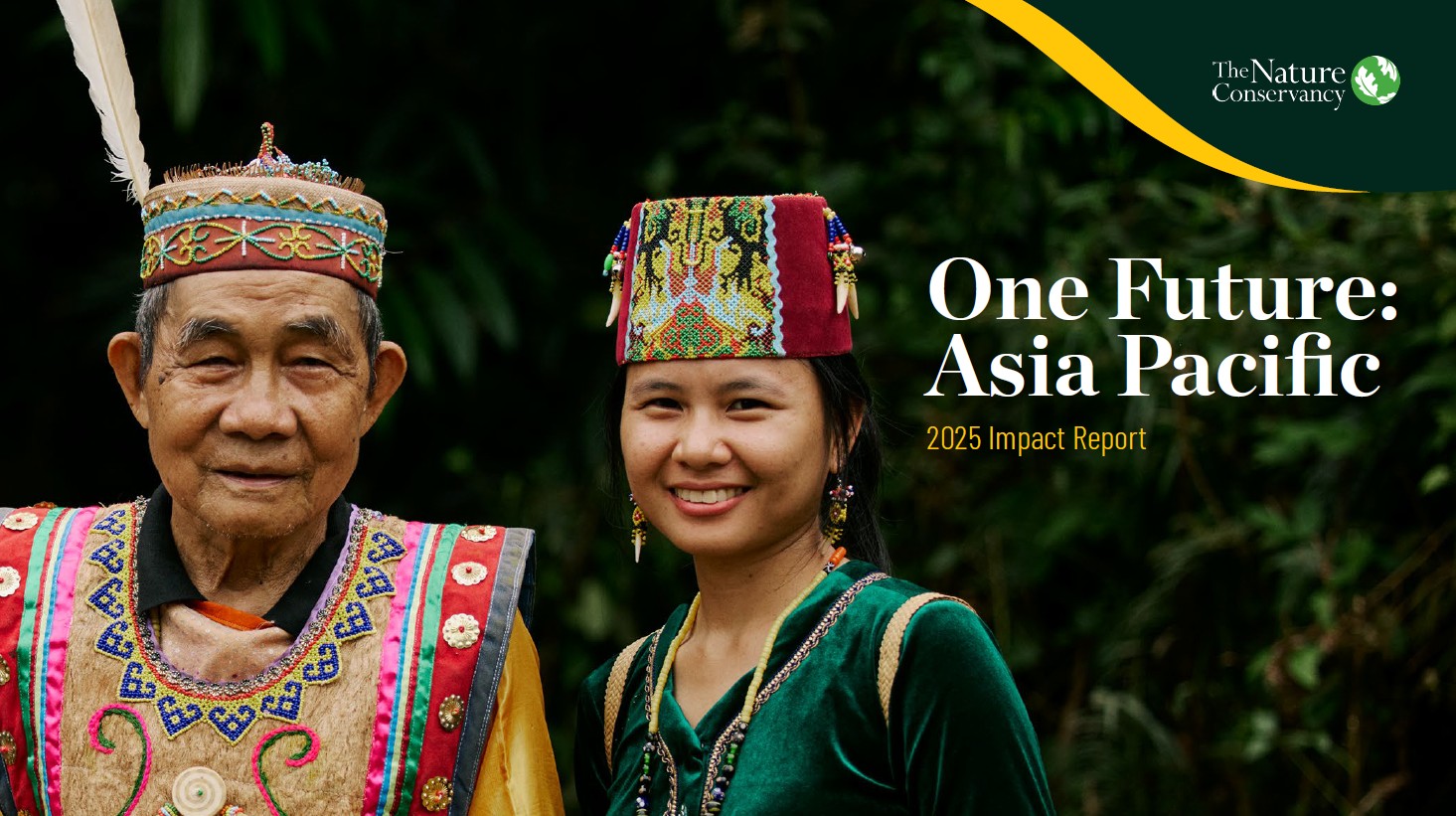
Dayak Wehea Ledjie Tag, the tribal leader of the Dayak Wehea people, with his niece Imelda Wien Lung, in East Kalimantan, Borneo, Indonesia. © Arhaus/Peter Larson

Download
Every day counts up to 2030, and our work will continue tomorrow. We hope you will join us.
Download
Regional Managing Director's Note
Dear friends,
If you ever see a helmeted hornbill in the wild, chances are you’ll remember the moment for as long as you live. On a recent trip to a remote tropical forest in Borneo, I was hiking deep into a field site alongside The Nature Conservancy’s (TNC) Indonesian colleagues, with whom we’re partnering to stop encroachment, illegal logging and clear-cutting for palm oil agriculture (more about that below).
While trudging through deep mud under meranti trees as tall as 30-story buildings, we discussed technical elements of the work—what landscapes in the project are of the highest biodiversity value, where we can improve low-impact sustainable forestry techniques, and so forth.
Suddenly, our local guide cut off the chatter.
Lihat ke atas! Quiet, look up!
High above us, perched in the sublime tropical canopy that shrinks with each passing year across Southeast Asia, was an adult male helmeted hornbill—the tip of its casque a brilliant lemon yellow. It’s a critically endangered species, sought after by wildlife traffickers and very rarely seen, even by our field team. We held a collective breath and grabbed our binoculars. The hornbill peered down at us for a few brief moments. He let out a series of calls that started slow and grew rapid and loud, and then flew with a great swoosh, disappearing into dense foliage.
It was a sight I’ll never forget, and a reminder of the importance of conservation at scale.
Let me explain. Many hornbill species require thousands of hectares of continuous forest habitat to maintain a viable population. Leatherback sea turtles, each nearly as big as a golf cart, swim for months in their trans-Pacific odyssey from foraging grounds off California to the nesting beaches of the Solomon Islands. Researchers tracking a female Mongolian gazelle for five years across the steppe found she had migrated a distance roughly half the circumference of the Earth. And the champion of non-stop flights, the bar-tailed godwit, has been documented to fly over 13,000 kilometers from Alaska to New Zealand without refueling.
People need nature at scale, too. And lasting conservation can’t be won in fragments; it has to match the scale of the living world itself. That’s an enormous challenge in the world’s most-populous region, but as this report shows, there’s real cause for optimism. From India to Australia, TNC is advancing the science, policy and partnerships to protect, restore and sustain the ecosystems that matter most.
Most important, TNC’s work in Asia Pacific tells a story of resilience and renewal. Each success is a reminder that conservation is not a distant ideal, but a living movement shaping the future of the region and our planet. Thank you for your support—you are a vital part of this journey.
Always look up,
Will McGoldrick
Regional Managing Director, TNC Asia Pacific

TNC’s work in Asia Pacific tells a story of resilience and renewal. Each success is a reminder that conservation is not a distant ideal, but a living movement shaping the future of the region and our planet.

*TNC operates country programs over a large terrestrial and maritime footprint in Asia Pacific. TNC’s work in Palau, Guam, Commonwealth of the Northern Mariana Islands, Federated States of Micronesia, Republic of the Marshall Islands, American Samoa and French Polynesia is managed separately from the Asia Pacific region. TNC works in Indonesia through our main local partner, Yayasan Konservasi Alam Nusantara (YKAN).
TNC in Asia Pacific
In a region as populous and interconnected as Asia Pacific, the loss of nature in one place too often ripples across so many others.
A farmer in Punjab burns hectares of crop residue after harvest, choking the downwind skies over Delhi. Ocean currents carry plastic bags and bottles from sprawling Jakarta to the beaches of Raja Ampat, thousands of kilometers away. One nation’s carbon emissions policy affects (literally) another’s ability to withstand rising tides.
But the inverse is also true. When we help clean up a river, protect an ancient tropical forest, restore an oyster reef or connect a remote island community to the global carbon market, the work naturally reverberates—locally, regionally, globally.
As TNC stands at the midpoint of our organization’s 2030 Goals, we share with you moments of hope in Asia Pacific—ones you may not see in the turmoil of the news cycle.
- Efforts to protect critically important ecosystems, from peatlands in Mongolia to mangroves that ring Southeast Asia’s coasts, are unlocking economic opportunity at an unprecedented pace.
- New conservation laws in places like Papua New Guinea give Indigenous peoples and communities greater ability to determine how to manage their ancestral forests.
- With an eye to net-zero, India, Australia, China and other nations are accelerating strategies to reduce emissions through renewable energy, deploy nature-based solutions to defend coastlines and sequester carbon by synthesizing new technology with traditional methods that have existed for thousands of years.

2025 Impact at a Glance
Working alongside partners and communities, some of our key achievements include:
-
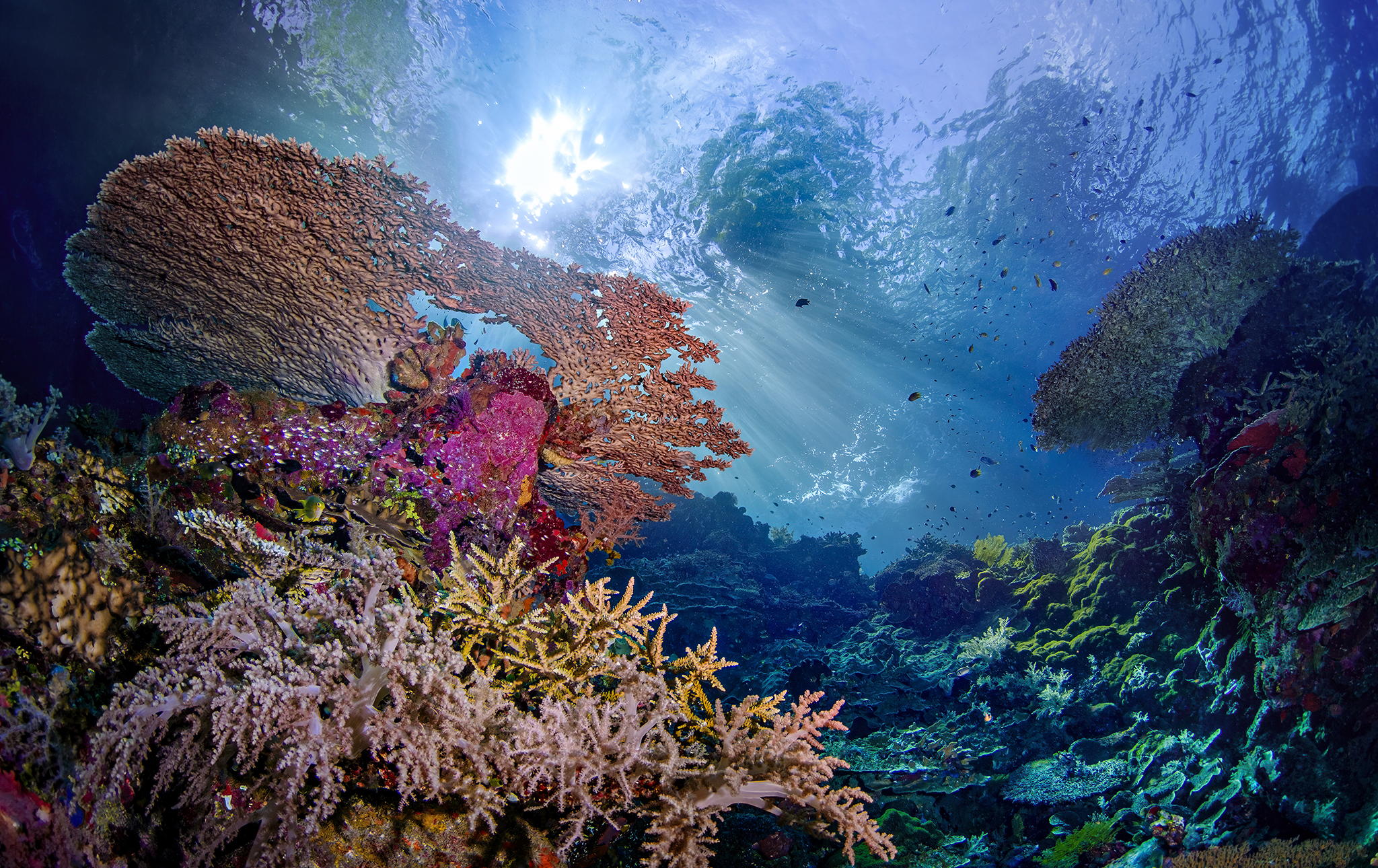
New Marine Protected Areas in Indonesia
Securing protection for 840,000 hectares of seascape—an area larger than Greater Tokyo—in the Riau Islands, safeguarding ecosystems such as coral reefs, mangroves and seagrass beds that underpin fisheries and help shape a sustainable blue economy.
-

Community Freshwater Protection in Mongolia
Establishing new locally managed protected areas spanning nearly 300,000 hectares of a globally significant watershed in northern Mongolia.
-
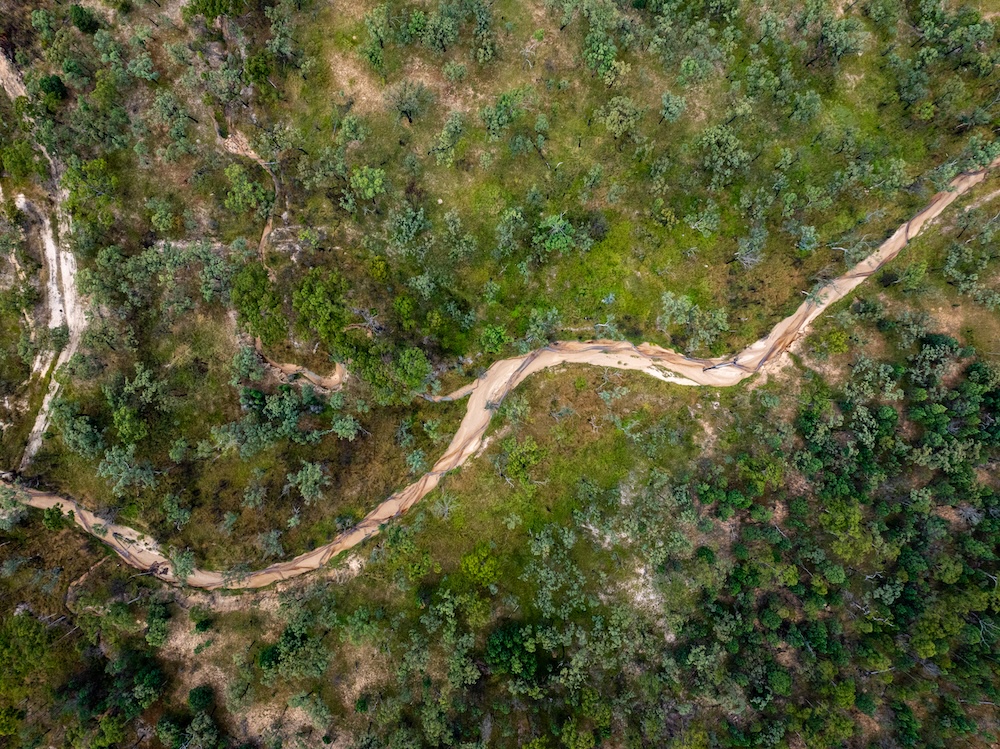
Landscape-Scale Conservation in Australia
Helping to secure protection and sustainable management of nearly 30 million hectares of lands—an area comparable in size to the Philippines—through partnerships with Indigenous communities, government and philanthropists.
-
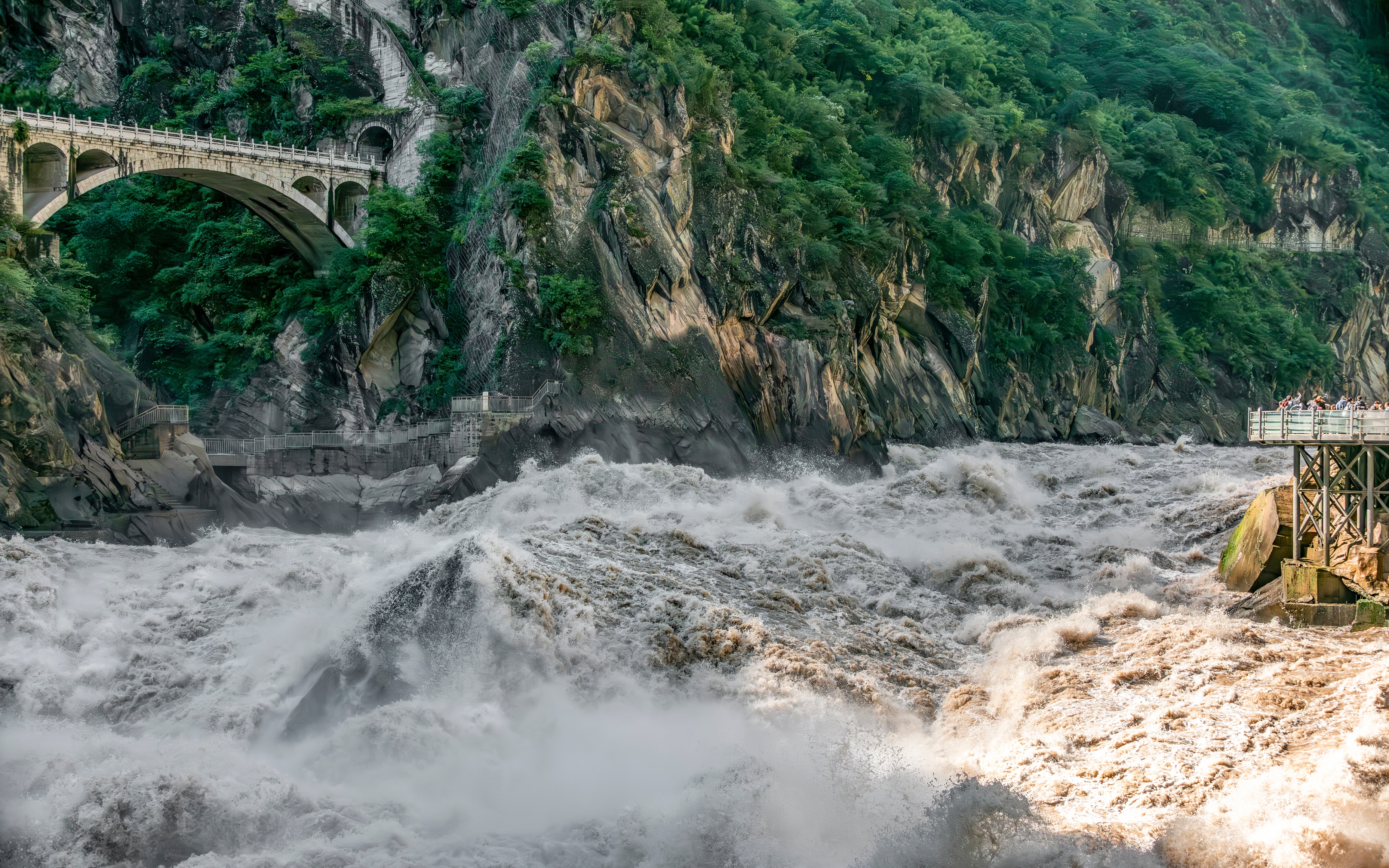
Securing River Flows in China
Building on years of dam-removal efforts across the Yangtze River Basin, this year we brought the total length of river restored to 14,000 kilometers—roughly the distance of three trips from New York to Los Angeles.
-
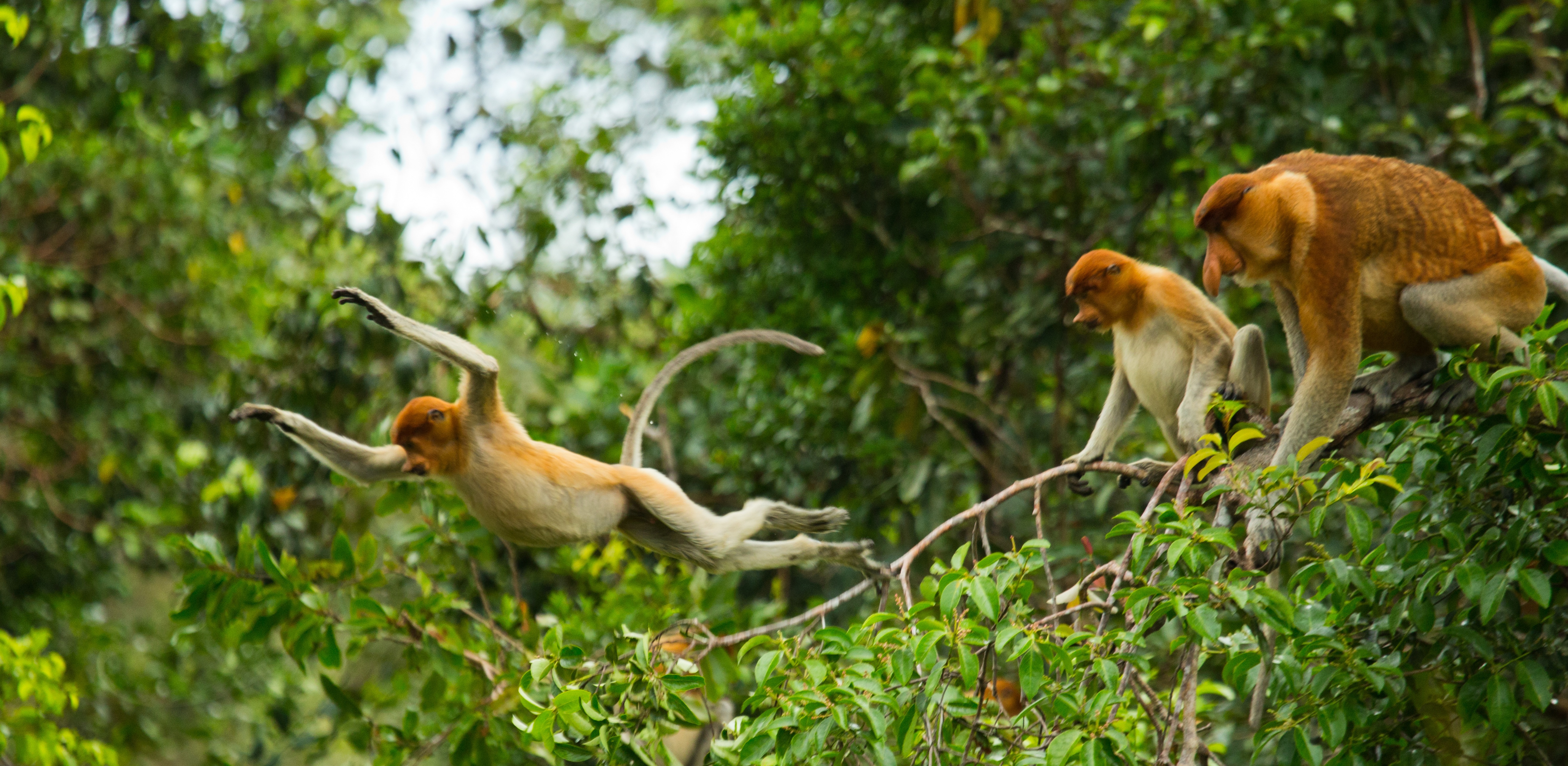
Tropical Forest Sustainable Management in Borneo
Doubling our conservation footprint in Borneo to bring 87,000 hectares—slightly larger than Singapore—under protection and improved management through a sustainable forestry model that is on track to protect 1.2 million hectares by 2030.
-
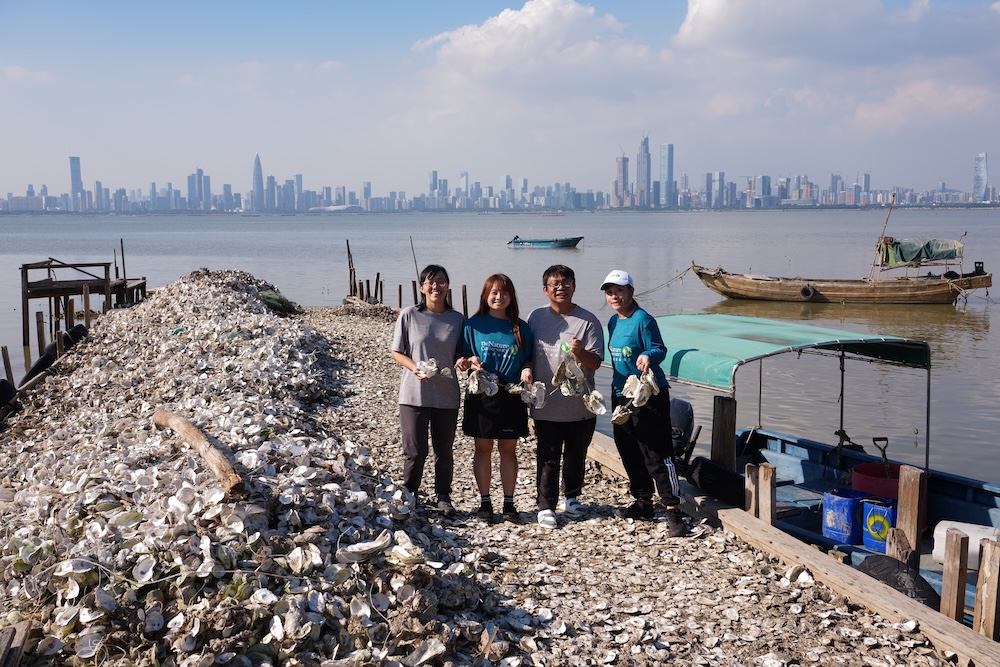
Urban Coastal Restoration in Hong Kong
Establishing two new restoration sites in Deep Bay to protect biodiversity hotspots and demonstrate how nature‑based solutions can help coastal cities adapt to climate change.
-

Clean Energy on Former Coal Sites in India
Siting a 50-megawatt solar pilot on a closed coal mine, which feeds clean energy into the grid and demonstrates how former industrial sites can support scalable renewable energy solutions for India.
IMPACT HIGHLIGHTS


Forests That Work
Creating a new model for sustainable forestry in Indonesian Borneo
To meet our 2030 goals, TNC must focus on the world’s most critical landscapes. In Asia Pacific, Borneo is one such place. Over a third larger than France and cloaked in 25 million hectares of tropical forest, the world’s third-largest island is both a carbon vault and a biodiversity stronghold. It’s home to diverse, iconic wildlife and to Indigenous communities like the Dayak, who rely on healthy forests for their survival and sacred cultural traditions.
Sadly, Borneo has struggled for decades with high deforestation rates. In just the past 50 years, the island has lost 30% of its forests, primarily due to conversion into palm oil plantations that supply a multi-billion-dollar global trade. Some of the most at-risk forests lie in inactive logging concessions that are often under-managed, leaving them vulnerable to illegal logging and agricultural conversion.


Every image feels like a miracle—a sign the forest still fights to endure and that we must fight alongside it.
TNC and our Indonesian partner Yayasan Konservasi Alam Nusantara (YKAN) are advancing a scalable model for sustainable forest management in Indonesian Borneo with a goal to protect 1.2 million hectares by 2030. Through Bentala Kalimantan,* YKAN acquires inactive logging concessions and manages them to prevent illegal conversion. By dedicating some areas to wildlife conservation and others to low‑impact timber management, the model protects nature while creating opportunities for carbon credits and future private investment. Local communities drive this work, and we walk alongside them—supporting sustainable livelihoods, securing land rights and building the conditions for lasting stewardship.
In 2025, Bentala Kalimantan grew by 43,680 hectares with the acquisition of a second concession in Indonesia’s East Kalimantan province. Within this area, we are safeguarding 25,000 hectares of wildlife habitat, designating nearly 19,000 hectares for sustainable livelihoods and targeting up to a 40% reduction in emissions through improved management and avoided deforestation. And by building trust on the ground, we are advancing our vision for neighboring concession holders to adopt and scale this model.
Field notes from the forest
On a humid morning, biodiversity officer Tassya Awike Dwi Putri retrieves a memory card from a camera trap hidden in the undergrowth of a concession now sustainably managed under Bentala Kalimantan. The footage shows clouded leopards, pangolins and a critically endangered orangutan—a quiet record of what’s at stake in one of the world’s oldest tropical forests.
*Bentala means “Earth” in Bahasa Indonesia—a reminder of roots, resilience and renewal.


Reef Relief
Australia's blueprint for a coastal renaissance
In 2025, South Australia’s postcard-perfect beaches turned into graveyards when a toxic algal bloom, fueled in part by warming ocean waters, swept the coast. Leafy seadragons, giant cuttlefish and hundreds of other marine species died en masse and washed ashore. In quiet coastal communities, fisheries closed and tourism cratered.
While the immediate crisis has waned, the warning is clear: more such events are increasingly likely as climate change reshapes our seas at a rapid pace.
How can we improve coastal resilience in Australia? Reviving shellfish reefs is one powerful solution that TNC advances here and around the world. Once abundant, these ecosystems have declined by 90% in Australia since the 19th century, erasing a natural defense that once filtered nutrients, buffered shorelines and provided habitat.
Through the Reef Builder program and subsequent shellfish reef restoration work, TNC is leading the largest marine restoration initiative in the Southern Hemisphere.

From Near Extinction...
In December 2025, Reef Builder became the first Australian project to earn UN World Restoration Flagship status, a global recognition of large-scale ecosystem recovery.
By 2030, TNC aims to work with partners to restore 60 reefs nationwide. That ambition is already taking shape through a new partnership with the South Australian Government to deliver a large‑scale limestone shellfish reef in response to the recent algal bloom. Guided by scientists, First Nations, industry and communities, the reef will improve water quality, support marine life and strengthen coastal resilience.
Indeed, areas with restored reefs were comparatively spared in the algal bloom-hit zone, while marine life elsewhere collapsed.
Reef restoration is equally important for communities, creating jobs across science, logistics and marine operations. Scientists choose and monitor reef sites to ensure ecological success. Logistics teams coordinate barges that deliver limestone to form reef foundations. Hatchery specialists raise juvenile oysters to seed new reefs. And marine crews deploy materials and maintain structures. It takes a village to build a reef, and we’re just getting started.


The Scale of Country
Safeguarding the lands and stories that shape Australia
Australia’s interior has a way of putting things into perspective. Richard Faulkner, a conservation coordinator at TNC, has walked the grasslands of the Patho Plains for years, yet their immensity still stops him. “The skies are huge and the landscape is huge,” he says. “There’s something about feeling small out here—and the power in that.”
This year, working with private landholders, TNC helped secure 424 hectares of Patho Plains’ critically endangered native grassland under long‑term conservation covenants. It’s a small area in the context of southeastern Australia, but vital for one of the region’s most vulnerable species: the plains‑wanderer—a slight, ground‑dwelling bird now surviving on scattered patches of intact grassland.
For Faulkner, the weight of that achievement hits close. “You feel it in your chest,” he says. “Your cheeks lift into a smile before you even notice it. You know how rare it is—how few people ever see this bird on its own habitat.”
This year, TNC advanced protection and Indigenous‑led stewardship across nearly 30 million hectares—an area comparable in size to the Philippines. This progress supports Australia’s international commitment under the Global Biodiversity Framework to protect at least 30% of its lands, freshwaters and oceans by 2030.
One major gain came in New South Wales, where the purchase of Tasman Corinya—a vast working property roughly the size of Los Angeles—will add 71,866 hectares to the national parks estate. Spanning two distinct bioregions and nine landscape types, the land fills a critical gap in an otherwise fragmented patchwork of protected areas, connecting habitats that wildlife need to move, breed and survive. We know at least 13 threatened species are found there, but we expect more to be found as now that researchers can spend time on the ground.
In addition, TNC-supported Indigenous Protected Areas (IPAs) now cover 18.2 million hectares, forming one of the largest Indigenous‑managed conservation networks in the world. Their success stems not only from the Australian government’s recognition of their commitment, but also from knowledge systems that have shaped these landscapes for thousands of years. In one Western Australia IPA alone, 9.7 million hectares are under improved management, supported by long‑term investment in governance, ranger programs and community stewardship.
The ecological gains are clear, but the cultural ones matter just as much—strengthening local leadership, deepening ties to Country and sustaining knowledge at the heart of long‑term resilience.


Currents of Change
Building resilience in Mongolia's headwaters
Weaving through the wild and captivating lands of Khuvsgul province, the Delgermurun and Eg-Uur Rivers offer some of Mongolia’s greatest opportunities to protect nature alongside communities that sustain centuries-old nomadic herding traditions. Migratory birds and two-meter-long Siberian taimen prized by fly fishers thrive in these waters, but management issues and policy gaps leave the Delgermurun and Eg-Uur watersheds vulnerable to degradation and water pollution. Meanwhile, herding communities face many barriers to securing local land rights and advancing long-term management plans.
This is where TNC’s role as a partner matters most—driving new science, shaping policy and bringing together the governments, communities and landowners who can make lasting change happen.
In 2025, TNC worked with local government and herding communities to help establish nearly 300,000 hectares of Local Protected Areas in headwaters and numerous tributaries throughout the Uur River basin, which are critical to herder families and livestock. Here, we’re building monitoring and evaluation capacity and deepening local engagement to restore ecological balance.
But the Uur River basin is just the beginning. In partnership with government agencies, we are advancing long-term plans for freshwater management while protecting key areas that are vital to livelihoods, biodiversity and water security.
These efforts complement the work of Eternal Mongolia, a US$198 million initiative launched in 2024 by the Mongolian government, nomadic herders and TNC with our conservation partners. Over the next 15 years, Eternal Mongolia will safeguard an additional 14.4 million hectares of intact grasslands, forests, deserts, wetlands and rivers; strengthen the management effectiveness of existing protected areas totaling 47 million hectares; and extend sustainable, climate-resilient, community-led practices to 34 million hectares outside protected areas.


Mining the Sun
Accelerating nature-smart renewable energy in India
India’s rapid economic growth and urbanization are fueling an energy demand boom expected to double within a decade, raising questions about how quickly the country can scale renewable power. To meet rising domestic needs and honor its climate commitments, India aims to expand renewable energy fivefold by 2030, targeting 500 gigawatts of non‑fossil fuel electricity capacity.
But scaling renewables at this breakneck pace brings real risk. Solar and wind projects have substantial land footprints, putting pressure on forests, farmland and the communities that depend on this land. A sustainable transition will depend on where renewable energy is built as much as how fast it grows.
TNC is helping India steer this transition by guiding renewable development toward low‑conflict landscapes and degraded land. Through SiteRight, our geospatial planning tool, we identify locations where renewables can scale while minimizing impacts on nature, food systems and livelihoods. The tool is currently operational across nine Indian states and is being progressively expanded to additional states.
This year, the Indian government authorized renewable energy development on closed coal mines, creating a pathway for low‑impact expansion on land already shaped by industry. With local partners, TNC conducted technical feasibility studies that informed the development of a 50‑megawatt solar energy pilot on reclaimed mine land in Tamil Nadu. Commissioned in September 2025, the project is now supplying power to the grid and is expected to avoid 1.17 million metric tons of CO2e over its lifetime— equivalent to taking about 273,000 cars off the road for a year.
Further, to scale smart renewable energy siting nationwide, TNC forged a formal agreement with the National Institute of Solar Energy under the Ministry of New and Renewable Energy. Through this partnership, we are advancing low‑impact renewable energy siting and a national roadmap for the solarization of closed and reclaimed coal mines in India.


Releasing the River
Returning natural flows to China’s rivers, dam by dam
The Yangtze River basin supports roughly two‑thirds of China’s rice harvest, about half of its fish consumption and over 4,300 aquatic species. As China industrialized, its longest river—a foundation of national prosperity—became one of the most heavily altered large river systems in the world. Pollution clouded its waters, dams fractured its flow and overfishing thinned what life remained, driving species like the Chinese paddlefish to extinction and sending hundreds more into decline. In 2019, the Yangtze received the lowest possible rating for ecological integrity, a blunt assessment of decades of strain.
Aligned with China’s national priorities, TNC’s strategy concentrates on upper‑Yangtze tributaries where targeted work can deliver outsized gains. With partners such as the Institute of Hydrobiology, Chinese Academy of Sciences, TNC supports science‑based dam removals and habitat restoration, explores innovative financing mechanisms and helps strengthen water governance.
On the Chishui River—a key tributary of the Upper Yangtze—small hydropower dams once fragmented the watershed, depleted fish populations and degraded habitat, while becoming increasingly costly to maintain and inefficient compared with newer renewable energy systems. Today, over 90% of small hydropower stations have been phased out and 84% of small dams have been removed across the Chishui River watershed and fish numbers are steadily recovering. Notably, the Dabry's sturgeon—listed as Extinct in the Wild and reintroduced here—is showing signs of return, a signal that conditions have improved enough for this environmentally sensitive species to recover.
Through this work, TNC and its partners are helping to develop models for large‑scale river conservation elsewhere along the Yangtze and potentially across other river systems in China.
...As a vital tributary of the Yangtze, the ecological conservation and restoration of the Chishui River—through collaborative efforts—represent a crucial measure for safeguarding the Yangtze’s ecosystem.


Blue Revolution
A bold plan to protect marine biodiversity in Indonesia
Far from the bustle of Jakarta or the tourist throngs of Bali, the small communities of Maksegara are quietly showing how some of the world’s richest marine areas can be sustained for future generations.
Located in Indonesia’s Southwest Papua province, Maksegara is a mutiara tersembunyi—a hidden pearl on the crest of the Bird’s Head Seascape. This globally significant marine ecosystem is home to an estimated 1,700 reef fish species and roughly 75% of the world’s hard and soft corals, including reefs that may rank among the most climate-resilient on Earth.
Despite its remoteness, Maksegara faces many of the same pressures confronting coastal communities across Indonesia. Sediment from logging and poorly planned development pollutes coastal waters. Overfishing strains local stocks. Destructive practices such as blast fishing—using explosives to stun or kill fish—further threaten fragile reefs.
With over two decades of experience working in the Bird’s Head Seascape, TNC’s Indonesian partner, YKAN, has deep experience establishing well-managed Marine Protected Areas (MPAs) that improve ecosystem health, fisheries and local economies. Without community leadership and strong governance, however, MPAs risk becoming “paper parks”—existing on a map but not in practice.
YKAN did not come to tell us what to do. They sat with us, listened and helped us strengthen our own rules. Now, women are also involved in discussions about the sea. Because we all depend on it.
Over the past year, we’ve celebrated the designation of several new MPAs, including Bintan Tambelan, an 840,000-hectare reserve due east of Singapore, known for its reefs and sea turtle nesting sites. By 2030, TNC and YKAN aim to establish new MPAs and strengthen existing ones across 41 million hectares—an expanse of ocean nearly the size of California.
In 2025, TNC and YKAN helped finalize a landmark debt-for-nature swap that redirects US$35 million in Indonesian sovereign debt to the U.S. government toward coral reef conservation in priority areas such as the Bird’s Head Seascape.
Maksegara is a microcosm for what’s possible. Here, we’ve worked with communities to design a new 141,000-hectare MPA, now pending final designation. YKAN partnered with government and local leaders to conduct biodiversity surveys and integrate Indigenous practices such as sasi, a centuries-old system that temporarily closes areas to harvesting so marine life can recover. Equally important, we helped ensure that both men and women have a voice in shaping local natural resource management.


Return of the Elephant
Learning to live alongside giants in India again
A low rumble moves through the forests of Bandhavgarh in the central Indian state of Madhya Pradesh. You feel it before you hear it—a vibration in forests that were quiet for over a century after hunting and capture drove elephants from this part of India.
Now they are back. As habitat shrinks and mining expands in neighboring states, many pass through Madhya Pradesh. Some stay for months. A few remain all year. Elephants are ecological engineers reshaping the forest. They spread seeds, break through dense undergrowth and carve paths that other species follow. But for nearby communities, it is a reckoning with a neighbor they have not lived alongside for generations.
Elephants move through villages and farmland, damaging crops and homes and, at times, causing serious injury or loss of life. In 2023, TNC partnered with the Madhya Pradesh Tiger Foundation Society to reduce these risks, while still allowing elephants the space to roam and resume their role in shaping this terrain.
Last year, elephants destroyed my crops and caused heavy losses. This year, things were different. An elephant came near my fields, but it did not enter. The reason was clear: the rope alarm system was in place. Because of this, my harvest was safe.
The approach is practical and locally led, using simple, affordable tools that are safe for elephants. Trip‑wire rope alarms along field edges alert villagers when elephants approach. Flickering lights disrupt night raids. Smoke from burning chili irritates sensitive trunks and turns herds away. Training builds community capacity to respond to and safely manage elephant encounters, while innovative solutions such as solar‑powered fences guide elephants toward safer habitats and further reduce conflict with people.
Building on this success, the program received state-level recognition in 2025. Communities are feeling real relief as crop and property losses decline and daily life becomes safer. Signs of recovery are emerging across the wider landscape, too. Restored habitat corridors are knitting together once‑fragmented forests, giving elephants safer routes through central India and reducing the pressure that once pushed them into fields and homes.


Tides of Recovery
Reviving coastal wetlands in the Greater Bay Area for a more resilient future
In Southern China’s Greater Bay Area, home to megacities like Hong Kong and Shenzhen, the coastal wetlands of Deep Bay support diverse yet under-protected habitats that help buffer communities and critical assets from growing climate threats. To address this, TNC is piloting a suite of nature‑based solutions (NbS), including restoring traditional fishponds to manage floods and working with communities to revitalize tidal wetland systems. Since 2021, we have also led community‑based monitoring and management at Pak Nai, where we remove litter and invasive plants while restoring oyster reefs and mudflats to enhance biodiversity and demonstrate the potential of locally led NbS.
We have now expanded to two new sites—Sha Kiu and Ha Pak Nai—at the invitation of village heads, allowing us to demonstrate our conservation model as a strategy for a planned Coastal Protection Park (CPP) in 2028. If successfully utilized by the CPP, our efforts could be replicated across 3,000 hectares of coastline in Deep Bay—about half the size of Manhattan—and potentially across the wider Greater Bay Area in the future.
Our habitat restoration work is already improving the situation of Deep Bay’s horseshoe crabs—ancient survivors from before the time of the dinosaurs. Between the summers of 2021 and 2024, the number of juveniles at Pak Nai grew significantly, a promising sign of population recovery.
TNC has also played an important role in shaping policy dialogues that have yielded significant milestones. In 2025, several of our policy recommendations were incorporated into Hong Kong's new Biodiversity Strategy and Action Plan (BSAP) 2035, including prioritizing oyster reefs as habitat restoration, revitalizing tidal wetland systems in Deep Bay to strengthen climate resilience and reaffirming the establishment of CPP.

People show up and see mud. Then they look more closely and the crabs crawl out, the birds swoop overhead and—if they are lucky—they see a horseshoe crab. They realize this quiet edge of the city is alive and protecting us. Once they get their feet wet and start to care, conservation begins.
Gaining Momentum
Across the region, 2025 also marked a turning point—groundwork laid, partnerships forged and impact now taking shape.

Singapore
De‑risking the early stage of carbon projects
The challenge: Early‑stage development for nature‑based carbon projects carries risk and is underfunded globally, limiting the supply of credible credits aligned with emerging international standards.
What changed this year: In May 2025, TNC became the first nonprofit to receive a Carbon Project Development Grant from Singapore’s Economic Development Board. With this grant, we are establishing a Singapore-based team to identify and develop high-integrity carbon projects and policy pathways aligned with Singapore’s International Carbon Credit Framework.
What comes next: Over the next five years, this effort will advance five priority projects and strengthen Singapore’s role as a global hub for climate finance and expertise—bringing together science, community leadership and policy innovation to unlock climate solutions across the region and beyond.
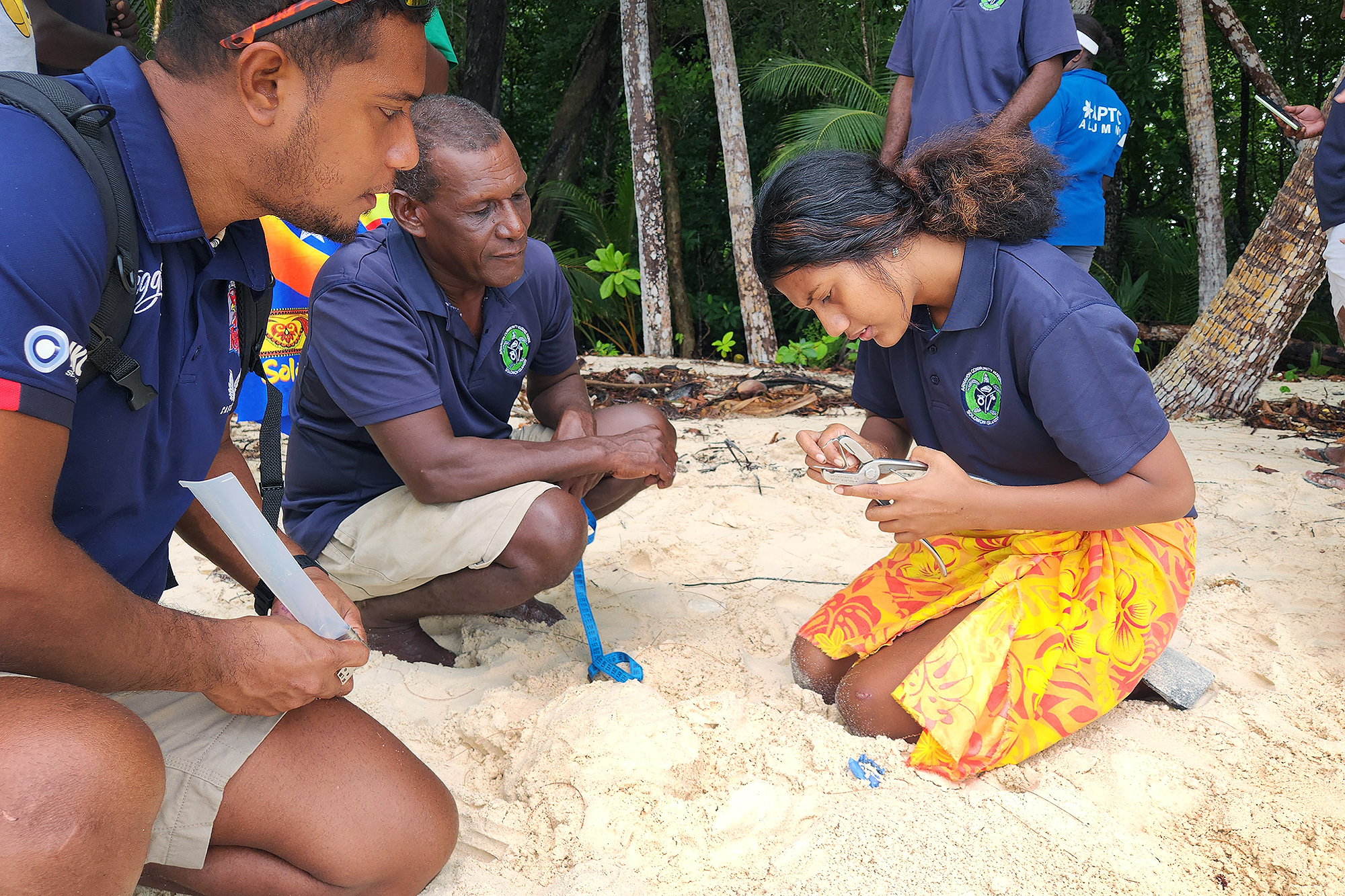
Solomon Islands
Linking livelihoods to long‑term protection
The challenge: With roughly 30% of the Solomon Islands’ employed population living below the international poverty line, safeguarding nature demands solutions that also uplift people.
What changed this year: In the Arnavon Islands, TNC and partners advanced work on a community‑designed ecolodge and education center set to open in 2026. Women trained by TNC will lead lodge operations, linking conservation directly to gender equity and local livelihoods.
What comes next: Tourism revenue will provide stable income for communities and direct new funding to conservation efforts, including protection of the critically endangered Western Pacific hawksbill turtle.
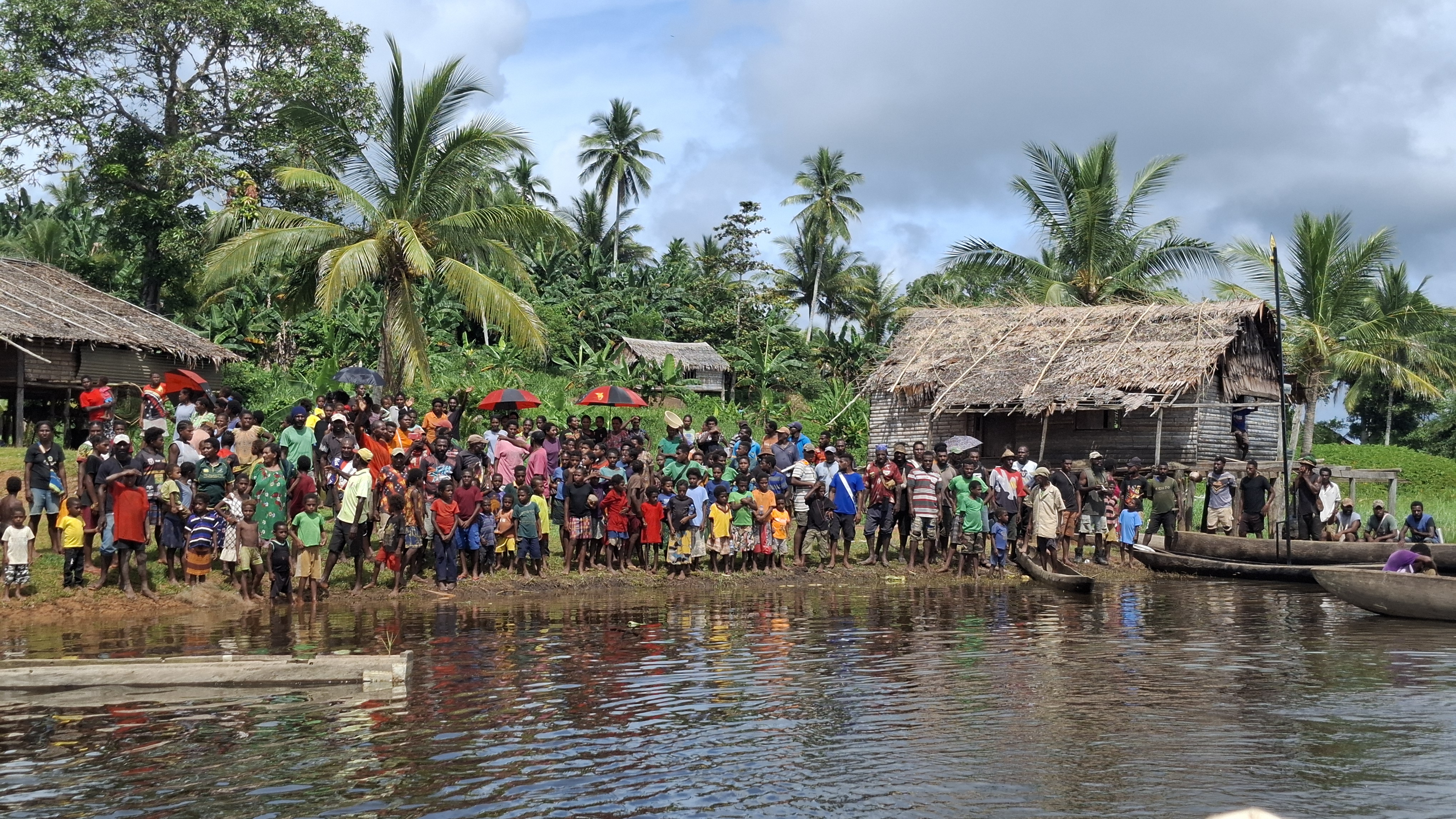
Papua New Guinea
Protecting tropical forests with Indigenous communities
The challenge: Yamolo–Samaki, one of Papua New Guinea’s most intact lowland forest regions, faces growing pressure from commercial logging, exacerbated by limited livelihood alternatives.
What changed this year: All 60 Indigenous clans across the landscape agreed to co‑design a community-managed protected area. Achieved through months of consultation across remote river communities, this agreement establishes a durable foundation for conservation grounded in local governance and cultural authority.
What comes next: With community support secured, detailed planning will begin to shape sustainable income pathways that support livelihoods while protecting forest ecosystems.

Aoteroa New Zealand
Making wetland restoration investable
The challenge: Over 90% of Aotearoa New Zealand’s wetlands have been lost or degraded, weakening climate resilience and carbon storage.
What changed this year: TNC and partners combined field research with financial modeling to identify pathways for scaling wetland restoration. In partnership with the Ministry for the Environment, TNC commissioned national blue-carbon policy research to map the legal and market conditions needed to enable blue-carbon trading from wetlands.
What comes next: Collaboration with local government, coastal communities and iwi (Māori tribes) is underway to integrate wetland restoration into regional climate adaptation planning.
Download the Full Report
With your support, TNC reached significant conservation milestones across Asia Pacific, benefiting people and nature.

Asia Pacific Council
The Nature Conservancy’s Asia Pacific Council consists of an impressive group of business, private and academic leaders from Asia and around the world.
Join Us as We Work to Build a Sustainable Future for Asia Pacific
A gift to TNC Asia Pacific goes far to protect biodiversity, tackle climate change and give hope to communities seeking to live in harmony with nature.