

 Who Needs Corridors?
 What Are Corridors?
 TNC Corridor Map
 Corridor Profiles
 Quick Summary FAQs

On the Move
A podcast mini-series about wild animals, their amazing migrations and how people are finding ways to free them up from all the things standing in their way.

Explore how TNC is rebuilding connections between habitats to help Midwest wildlife—and people—thrive in a changing climate

Wildlife needs room to roam, and the Midwest is full of amazing habitats—such as forests, prairies, wetlands and rivers—that aren’t connected, leaving wildlife stuck and struggling. That's why TNC is linking forests, prairies, wetlands and rivers across the Midwest so wildlife can move, adapt and thrive.
This page explores what corridors are, why they matter for people and nature and how six priority corridor “constellations” guide our work. Scroll down to learn more or click the links below this box to jump to the section you want to explore.

Unlike your housecat, who ignores the cat tree you spent hours assembling to sit in the cardboard box instead, bobcats actually do appreciate all the time, money and effort you put into giving them the perfect home.
Of course, the “perfect home” for bobcats is a range of healthy, connected habitats.
Bobcats are the most common native wildcat in North America, and they help reduce the spread of diseases from animals to humans by preying on small mammals, including mice, that carry common pathogens. They travel frequently to hunt and are highly adaptable to a wide range of environments, including coniferous and mixed forests, swamps and coastal areas, and deserts and scrubland. Throughout the 1800s and 1900s, bobcat populations declined significantly due mainly to habitat degradation and loss.

Corridor work connects everything TNC has been working toward for 75 years. It brings together our science and research on climate change and biodiversity loss, our on-the-ground restoration and protection work, and our strong network of partners.
By protecting and restoring important ecosystems, TNC helps bobcats and many other species recover, survive and thrive. Today, bobcats are found in all five states throughout the Great Lakes region, and their populations continue to grow.
However, biodiverse havens are only helpful if wildlife can travel to them. By providing pathways between vital ecosystems, habitat corridors allow wildlife to move to new areas that provide better homes and food sources. This is especially important as a changing climate alters the composition of their traditional homes.
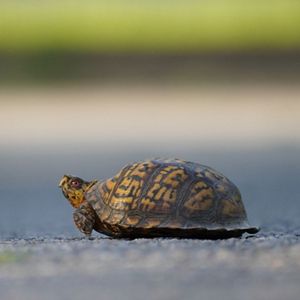
Safe Passage: Many turtles, like eastern box turtles, must cross roads and risk car strikes to find habitat and nesting sites. Wildlife corridors give them safer routes between habitats. © Lydia Hansen/USFWS
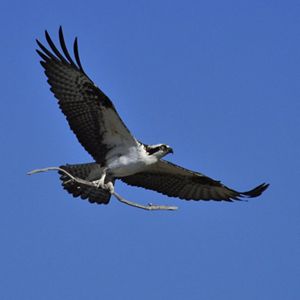
Land and Water: Ospreys love a good waterfront view and migrate to the Midwest each spring to find it. Nesting near water, ospreys rely on connected land and water habitats to thrive. © Alvin Freund/USFWS
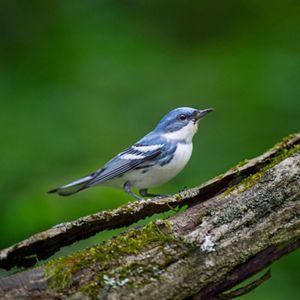
Cerulean Warbler: Each spring and fall, cerulean warblers migrate from South America to the Midwest, relying on forest corridors along the way to rest, eat and find shelter. © ps50ace/Getty Images
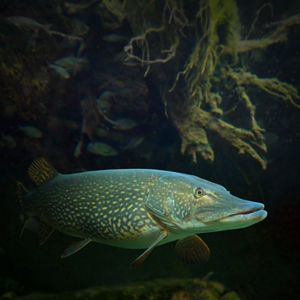
Underwater Travelers: Top predators like Northern pike rely on linked waterways—lakes, marshes, and tributaries—to breed. Corridors keep their spawning routes open. © abadonian/Getty Images
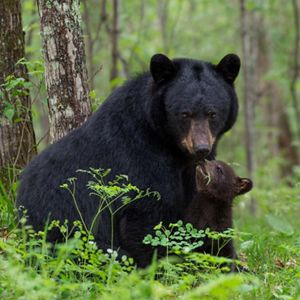
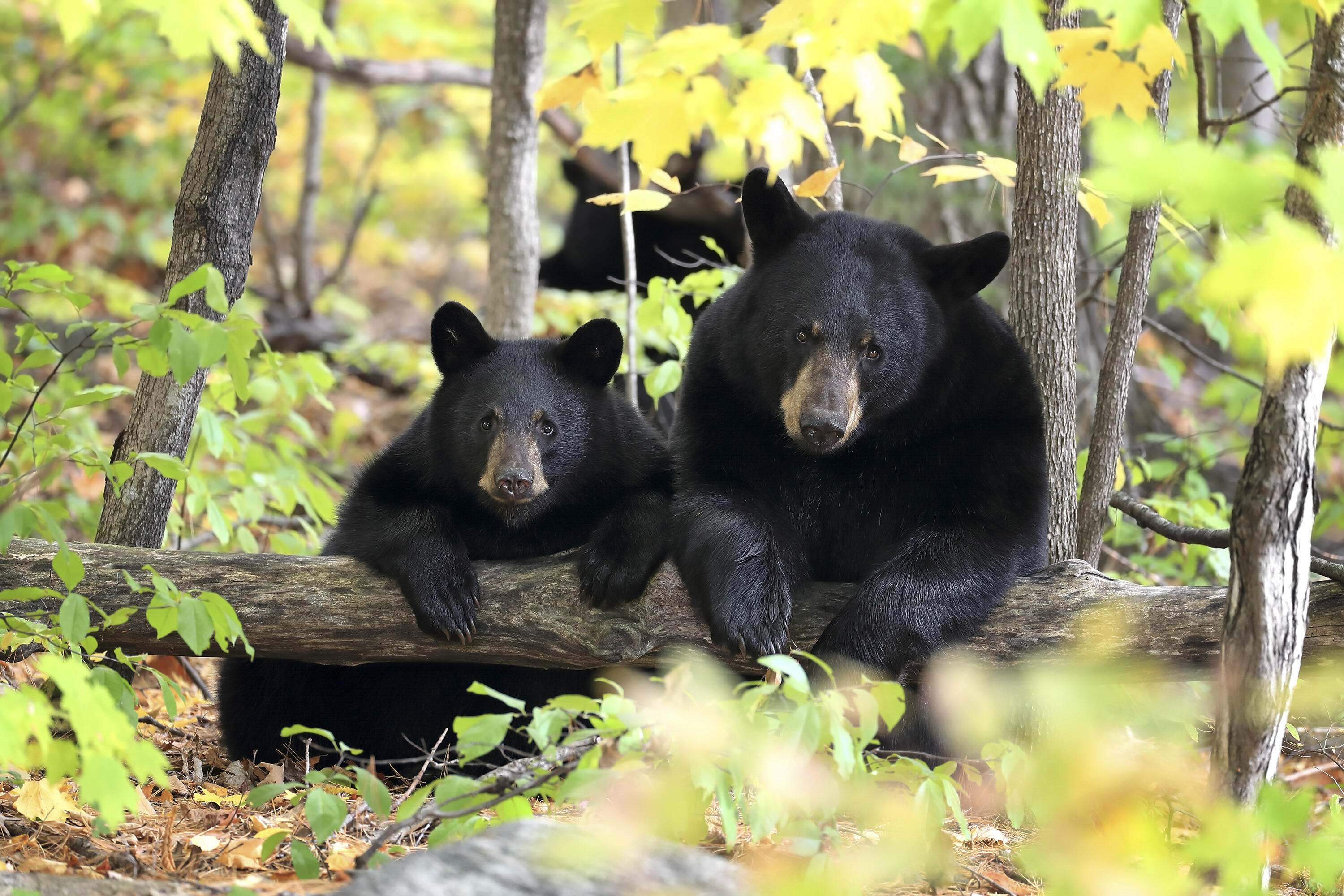
Room to Grow: Building connected corridors between protected habitats allows animals like black bears to find the space they need for food, shelter and raising offspring. © Dave Shaffer/TNC Photo Contest 2022
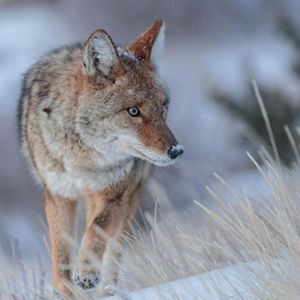
Coyotes: Coyotes can roam 10+ miles a day. Wildlife corridors keep these wide‑ranging predators moving safely between patches of habitat and away from people-populated areas. © Loren Merrill/TNC Photo Contest 2021
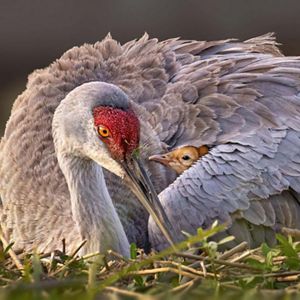
Sandhill Cranes: These tall cranes migrate through and to the Midwest each year and need undisturbed, connected wetlands and open habitat to rest and find food during their journeys. © Robert Gloeckner/TNC Photo Contest 2023
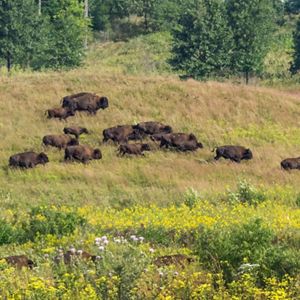
Where the Buffalo Roam: Bison help shape prairies—grazing, trampling and creating habitat for other species. Wildlife corridors help them reach the landscapes where this natural stewardship thrives. © Charles Larry
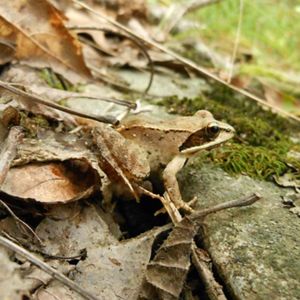
There and Back Again: Wood frogs are forest homebodies until spring sends them hopping to breeding ponds and back again. Connected wildlife corridors keep these seasonal paths alive and safe. © Chad Bladow
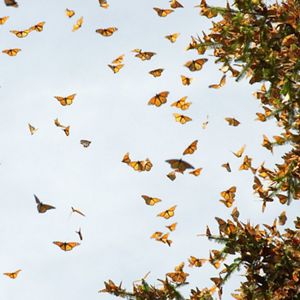
Monarch Butterflies: Traveling thousands of miles on paper-thin wings, monarch butterflies rely on wildflower habitats to rest and refuel. Wildlife corridors connect & protect these vital stops. © Roberto Michel/Getty Images
Get monthly stories that connect you to the wildlife, places and conservation wins shaping the Midwest and the world. Nature News keeps you inspired, informed and connected to the wild—no hiking boots required.
Sign Me Up for Nature NewsHabitat corridors can be interconnected land-based environments, such as forests and prairies, as well as rivers and other freshwater passages that allow aquatic species to move freely. These healthy, biodiverse areas are beneficial for people too, as they can help reduce flood risk to communities and provide more recreational opportunities in nature.
However, the Midwest region is highly fragmented. Habitats are subdivided across different landowners, and many are highly degraded.
To address this, TNC serves as our own type of corridor, coordinating protection and stewardship efforts across properties owned by many different partners. Through these collaborations, we help secure funding to connect science with conservation on the ground and in the water.
Our work includes large-scale habitat restoration projects that create and improve pathways, like our coastal repair efforts in Sandusky Bay, dam removal efforts in Southern Indiana and our prescribed fire work in Southern Illinois.


Reconnecting the Heartland

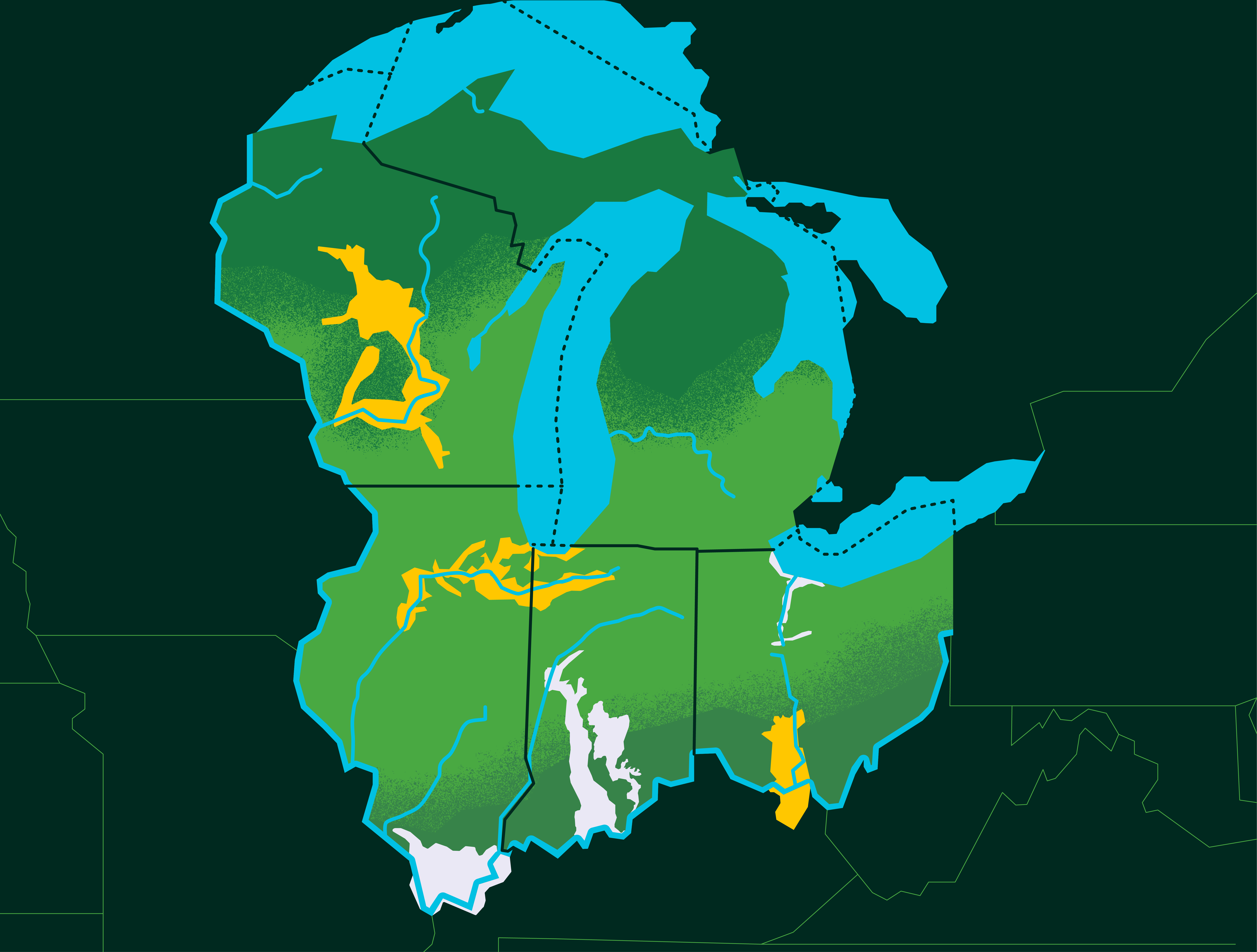
Just as people use constellations in the night sky to navigate the world, TNC identifies “corridor constellations” to guide our conservation priorities. These corridor constellations, named for the wildlife that their territory maps resemble, are vital passageways that connect existing hotspots of biodiversity.
While we work in many different habitat corridors throughout the Midwest, we currently prioritize six. Learn more about them below.
Explore the six priority areas where TNC is working with partners to protect, preserve and reconnect habitats, creating safe corridors for wildlife to move and thrive.
Here we're working to connect TNC's Edge of Appalachia Preserve with other partner-protected lands, including state, national and privately owned forests.
Here, we're connecting habitats that benefit both wildlife and people throughout northern Illinois and northwest Indiana.
This priority corridor in southwest Wisconsin brings together different conservation projects and bodies of work to achieve large-scale, long-term conservation.
This effort focuses on coordinating with partners for large-scale restoration and conservation work across both land and water.
This corridor connects a vast network of freshwater habitats in northern Ohio along Lake Erie.
From removing dams and aquatic barriers to protecting and restoring forests (and more) this Indiana corridor is protecting a wide variety of native wildlife species.

 Return
Southern Ohio Corridor
It began as TNC’s first-ever land acquisition in Ohio back in 1959—a 42-acre prairie parcel—and grew into the 20,000+ acre Edge of Appalachia Preserve, “the Edge.” Now, we work to connect the Edge with other partner-protected lands, including the Shawnee State Forest and Daniel Boone National Forest, as well as private forests enrolled in the Family Forest Carbon Program.
As part of this effort, we identified this priority corridor, which sits within the Appalachian foothills of Southern Ohio, in collaboration with the Ohio Department of Natural Resources, the USDA Forest Service, Indigenous partners, local landowners and more. It builds on our previous efforts to connect habitats, such as the Sunshine Corridor project, and is vital to achieving our goal of protecting more than 2 million acres of forested land and high-quality streams in the Appalachians.
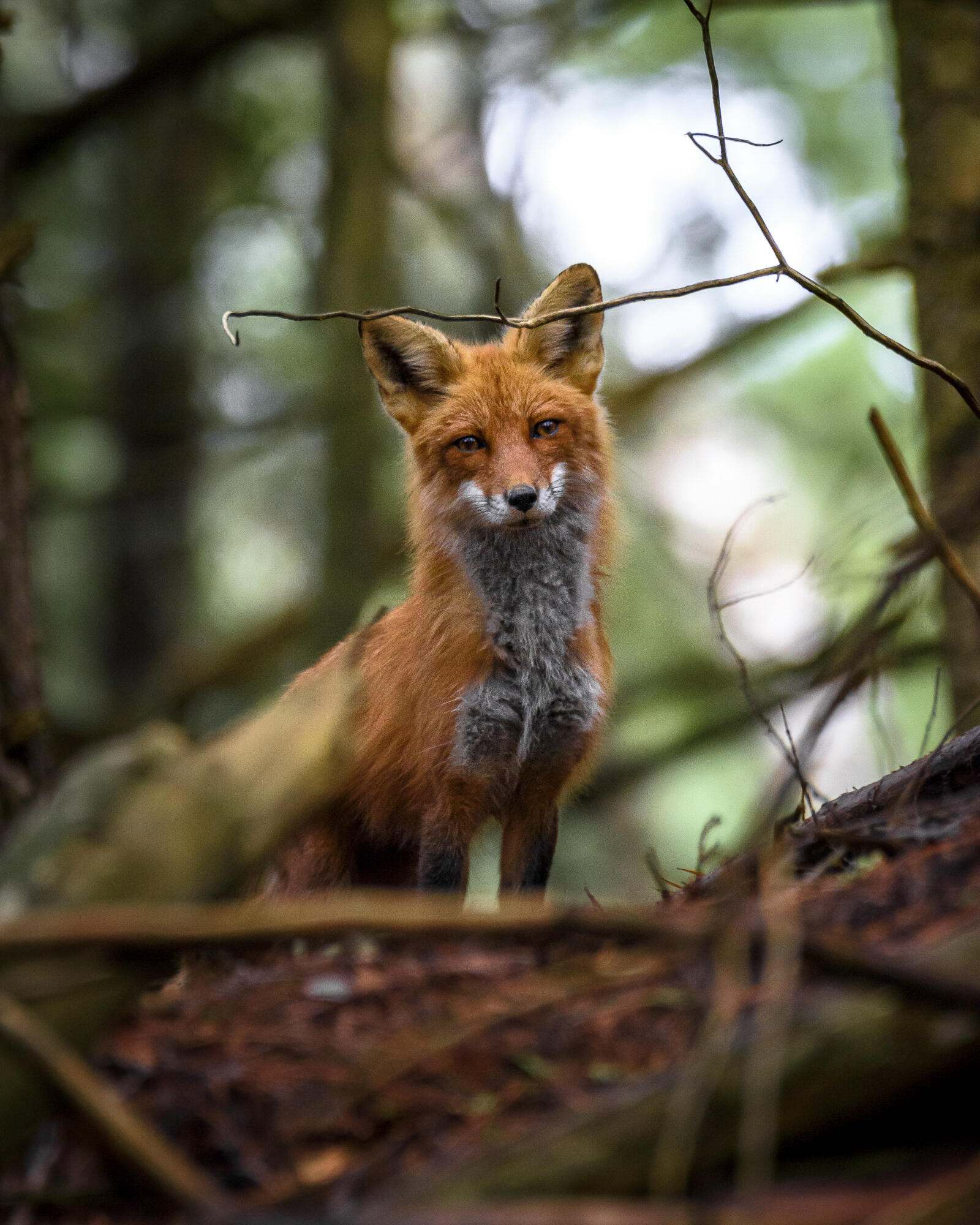
Southwest Wisconsin Corridor
Corridors connect more than habitats—they connect different projects and approaches to conservation. This priority corridor in southwest Wisconsin is a prime example of how bridging different bodies of work helps us achieve a large-scale, long-term plan for improved stewardship and connectivity among diverse habitats.
Within this corridor, we’ve played key roles in environmental policy advocacy for partner-led freshwater restoration efforts along the Lower Wisconsin River. We’re exploring collaborations with Indigenous partners, as well as private landowners, such as local cranberry and potato farmers, to improve habitat quality in buffer zones around their properties. We’re also exploring opportunities to improve habitat and grazing management on clean energy sites, which include some of the largest solar farms in the Midwest.
In addition, TNC has stewarded large-scale land protection efforts in this region of Wisconsin for decades:
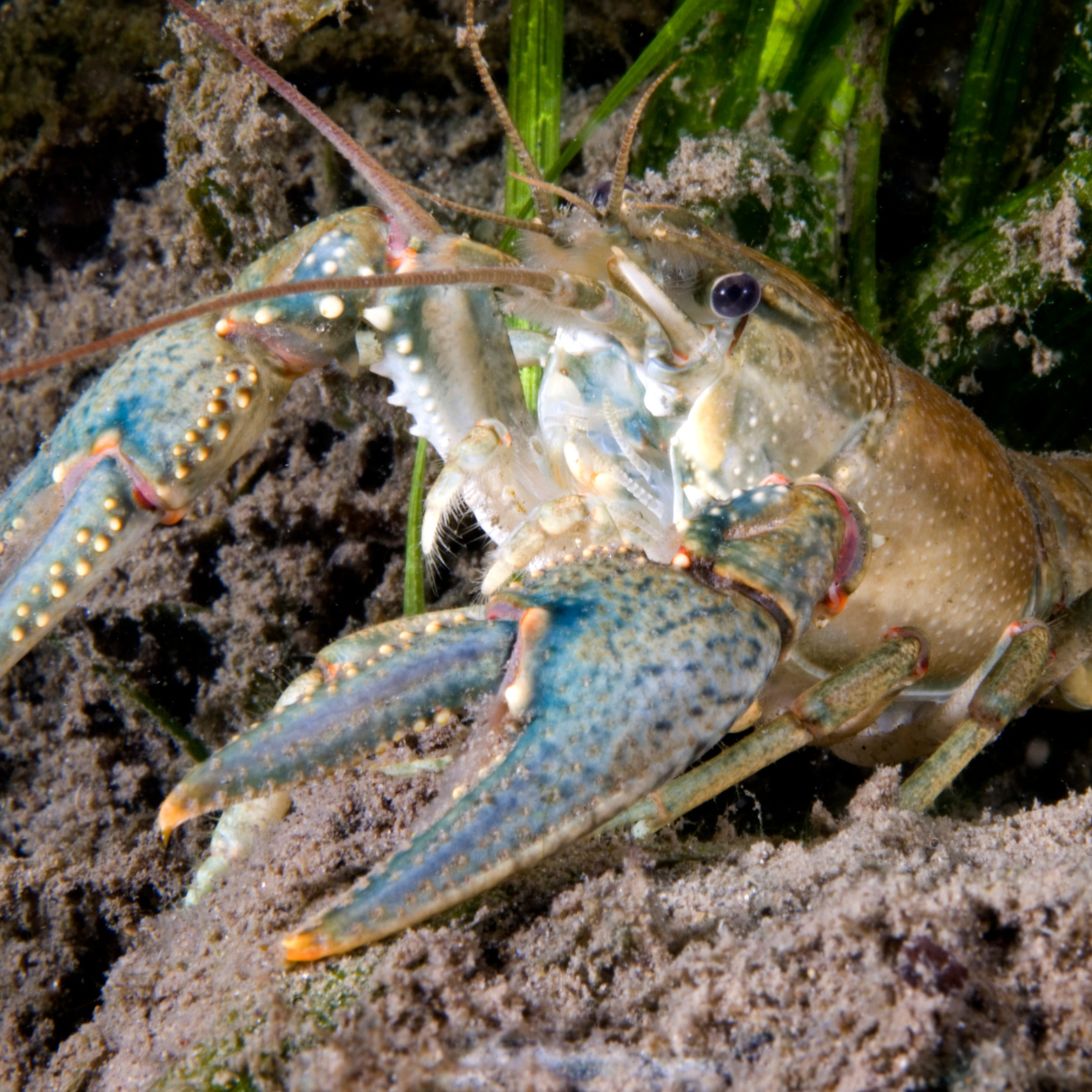
Northern Illinois-Northwest Indiana Corridor
Even our largest, most populous cities can support habitat corridors, which also provide recreational opportunities for residents. This priority corridor supports our goal of benefiting millions of people with nature-based solutions while protecting the remaining highest-quality habitats throughout northern Illinois and northwest Indiana.
Done in partnership with the Chicago Park District, the USDA Forest Service, the Departments of Natural Resources for both Indiana and Illinois, local land trusts and more, our urban conservation work supports city tree canopies and neighboring trail systems for outdoor recreation. These urban greenspaces contribute important links in corridor habitat and provide environmental benefits to residents, such as reduced heat levels, flood mitigation and cleaner air and water that support better health.
Beyond Chicago, this corridor is heavily focused on freshwater stewardship work in the Grand Calumet watershed. This region was once one of the most polluted areas of the Great Lakes, and while there is still much work to be done, TNC has been a key partner in efforts to protect and restore the unique mosaic of habitats, including a globally rare natural community known as dune and swale.
This corridor also connects our 10,000+ Kankakee Sands Preserve in Illinois and Indiana with many partner-protected lands, including the Willow Slough Fish and Wildlife Area, Midewin National Tallgrass Prairie, Goose Lake Prairie and Starved Rock State Park.
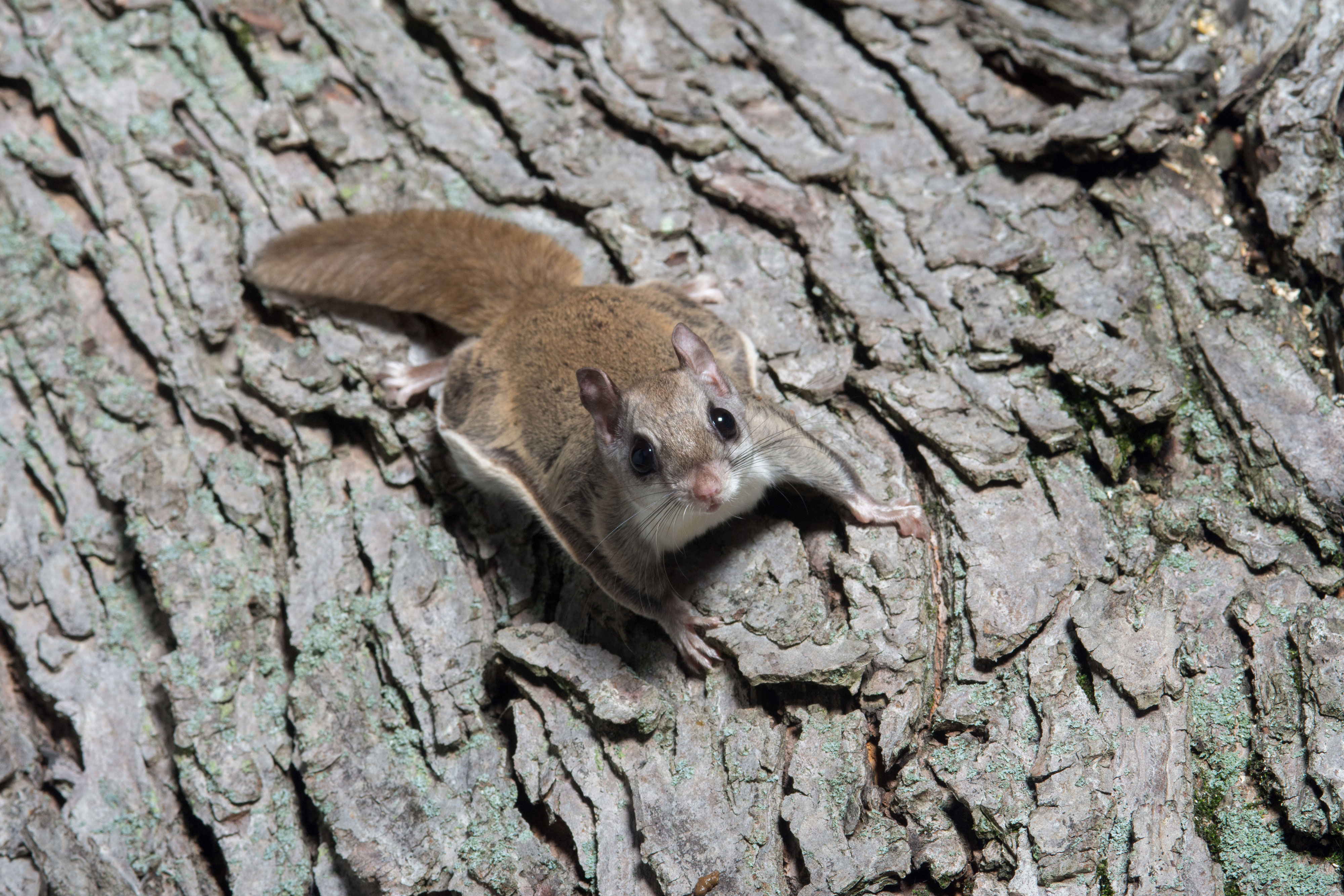
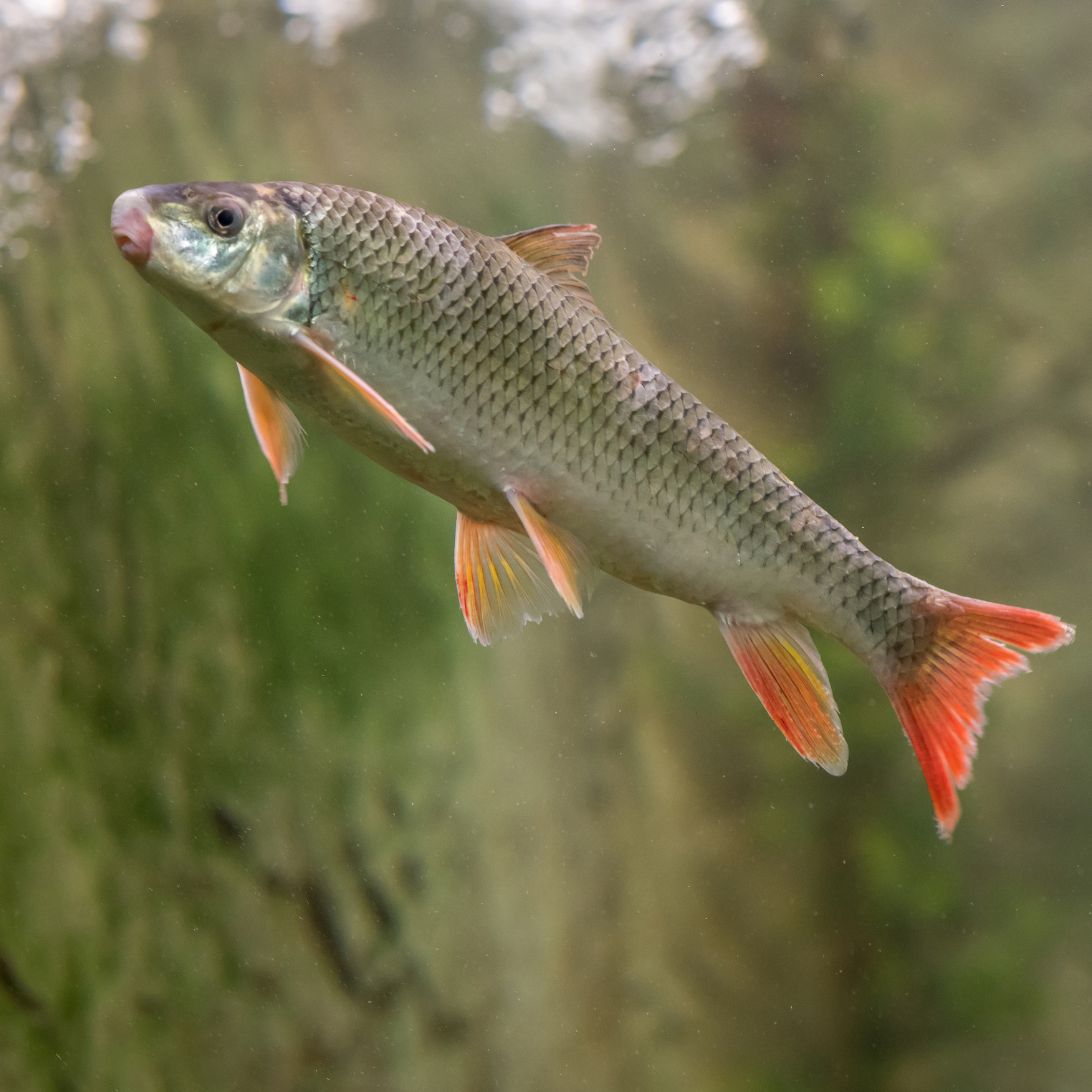
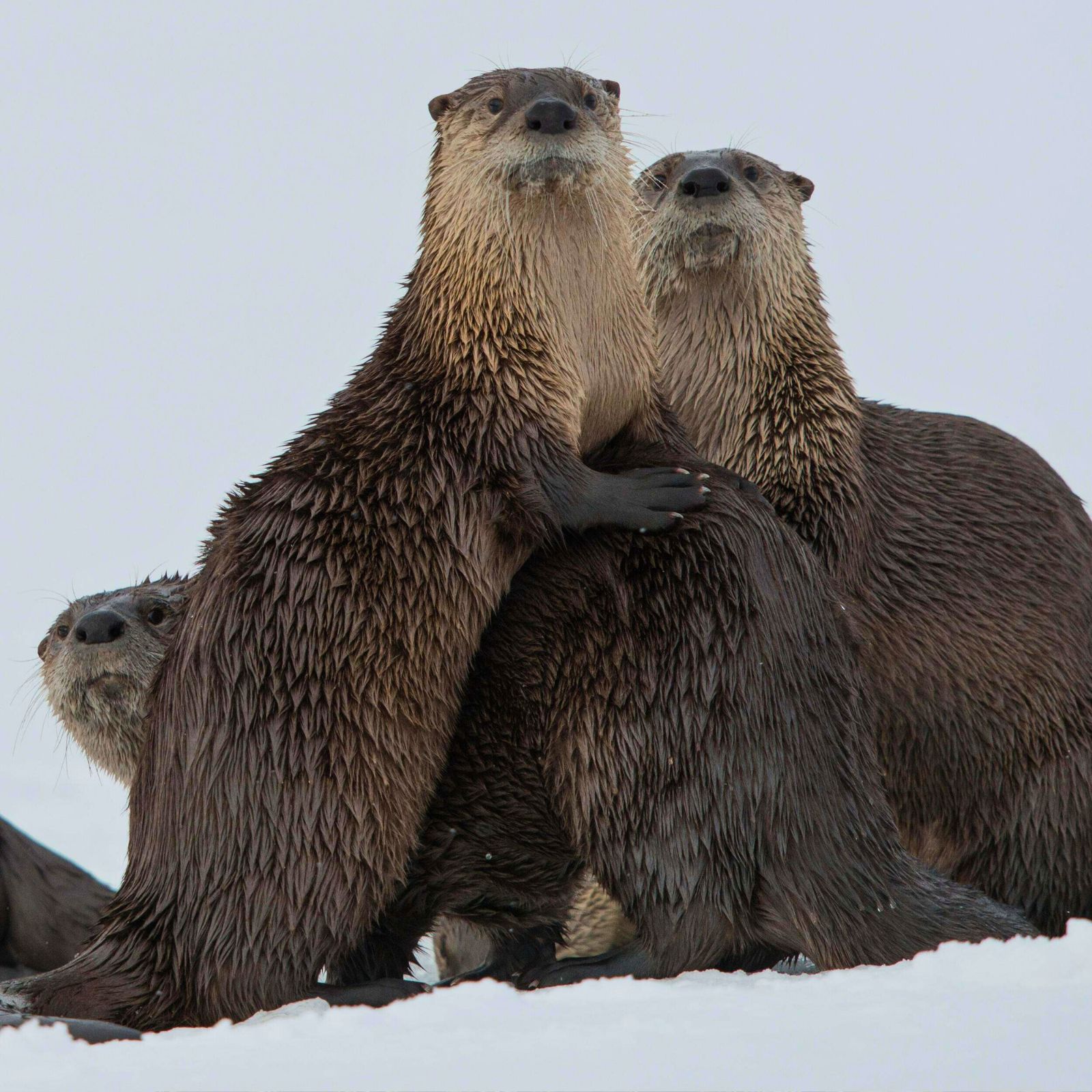
An interconnected and protected passage—on land or in water—that allows animals to move safely between habitats.
For example, if the borders of a TNC preserve and a state forest touch, it creates a corridor, allowing wildlife to move freely between the two protected areas.
Habitats in the Midwest are highly fragmented by development and private ownership. Corridors reconnect these separated habitats so that wildlife can find food, mates and shelter.
Part of this reconnection work involves restoring and preserving habitats, helping them become more climate-resilient to protect both wildlife and people.
TNC works to actively restore and protect habitats across the Midwest, through active on-the-ground stewardship, working alongside partners in habitats and coordinating partners to restore and protect land and water in the Midwest.
Our stewardship practices include prescribed fire, dam removals, coastal repair and more.
Discover how TNC is working to protect and preserve wild places and the species that depend on them in the Midwest and beyond.


.jpg?crop=222%2C0%2C3556%2C2667&wid=900&hei=675&scl=3.951111111111111)
