


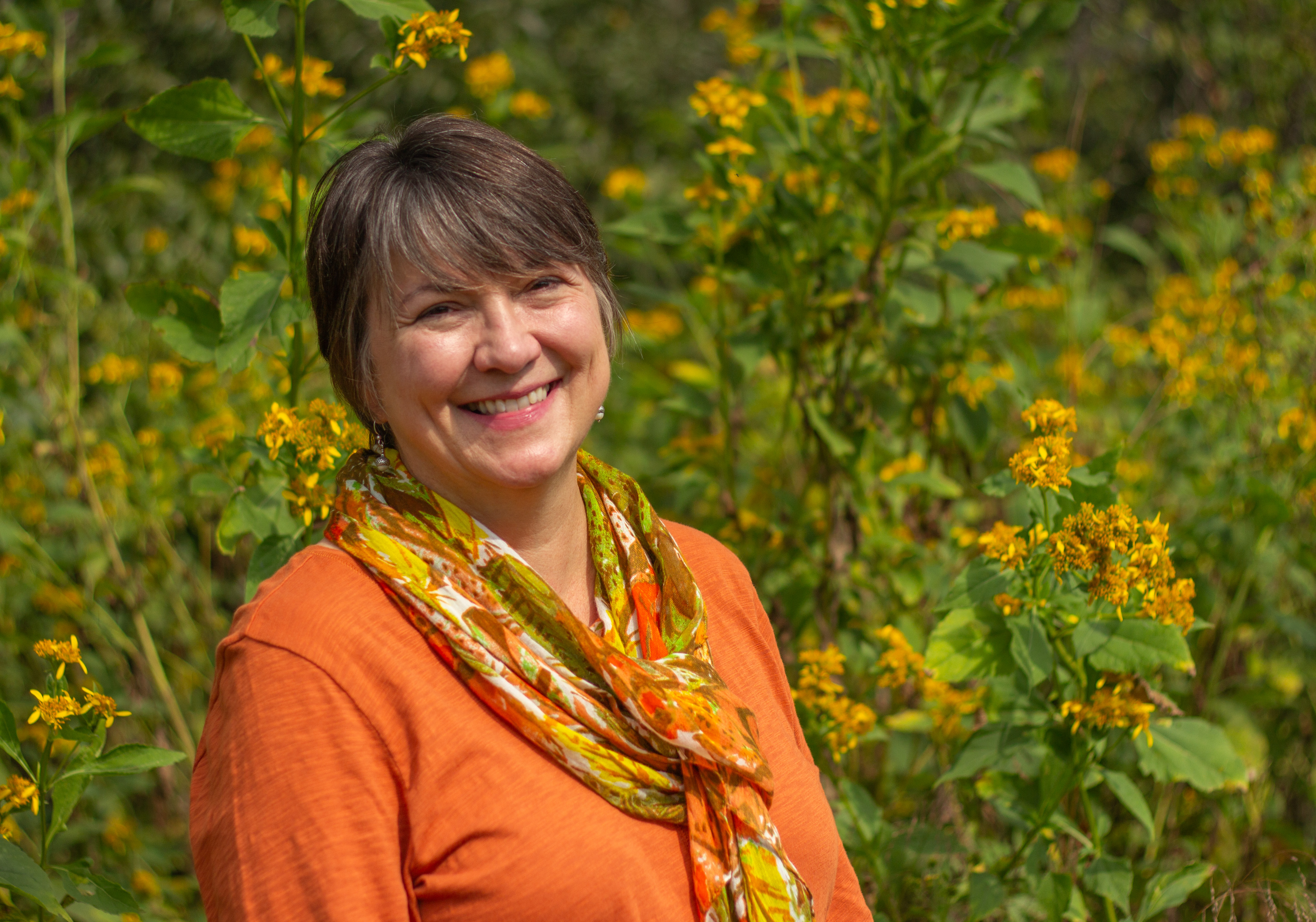
From the Director
Bettina Ring
Dear Friends, Partners, and Supporters,
Nature is a complex, beautiful web, with every ecosystem and all its inhabitants interwoven. Conservation work mirrors this interdependence. Caring for one another and the planet requires coordination, trust and shared purpose.
That’s why collaboration is at the core of how The Nature Conservancy operates. Collaboration fosters understanding and mutual respect, and it is most effective when each participant is able to contribute unique strengths.
Our Cumberland Forest Community Fund is a shining example of this approach. For years now, the innovative 253,000-acre Cumberland Forest Project in Southwest Virginia, Tennessee and Kentucky has enabled TNC and our partners to support local projects that are making communities stronger. To date, $480,000 has been awarded to community ventures in Southwest Virginia that embrace conservation and economic diversification. The results are apparent across the region, from new trails and enhanced outdoor recreation sites to sustainable solutions for managing stormwater.
Partnerships like these are key as we increase the pace and scale of conservation to meet the challenges of the moment. As I reflect on this past year and look ahead to the next, my optimism is bolstered by opportunities such as our coalition with TNC colleagues in Maryland, North Carolina and South Carolina to reduce carbon emissions through nature-based solutions.
Thanks to a significant grant from the EPA’s Climate Pollution Reduction Grant Program, we are working with colleagues and partners across state lines to improve forest management, restore peatlands and enhance tidal wetlands. These ecosystems hold the greatest promise for carbon sequestration, and they are also important for recreation and community resilience.
When people come together, we can accomplish so much. Whether you live in one of our state’s vibrant cities or in a small coastal or mountain town, enjoy hunting or hiking, or find renewal in sand between your toes or the sound of wind in the pines, nature is the great unifier. Thank you for all that you do to demonstrate your love of our lands, waters, communities and one another.
Download the Report
-
Our Virginia: 2025 Impact Report
From the Appalachians to our Atlantic barrier islands, we're seeing conservation pay off across Virginia. Take a deep dive with our 2025 Impact Report. *Spanish version at the end of this page
Download

2025
Top Land Protection Wins
Restoring Cultural Ties
In early 2025, TNC transferred the 865-acre Alexander Berger Memorial Sanctuary to the Patawomeck Indian Tribe of Virginia. The property is a significant piece of their ancestral homeland, sitting on the Rappahannock River and harboring 3.5 miles of streams and 210 acres of freshwater wetlands.
The Trust for Public Land helped secure funding for the project through grants from the U.S. Fish and Wildlife Service and Virginia Outdoors Foundation. This historic project restores cultural ties to the land and supports Indigenous land stewardship, demonstrating the power of collaboration to heal land and honor heritage for generations to come.
“This property will be instrumental in maintaining our traditional cultural practices and instilling a deep connection to the lands and waters of our home within future generations of our citizens,” says Chief Charles Bullock.
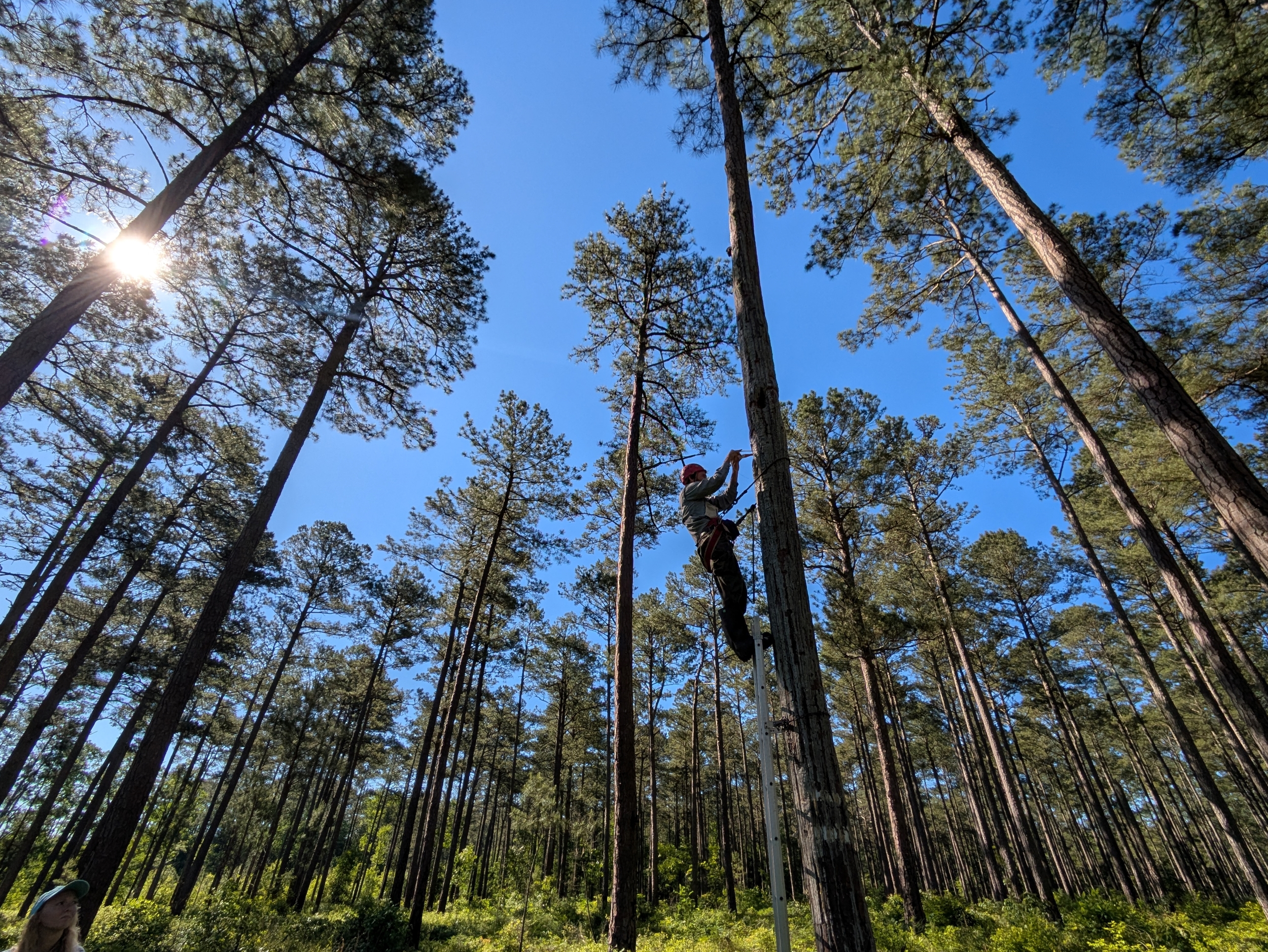
Virginia Pinelands
A 1,663-acre acquisition in Southampton County raises the total acreage of protected lands in the Piney Grove Conservation Area to 12,507 and contributes to a nine-state longleaf ecosystem restoration effort, one of the largest forest restoration initiatives in the country. The property includes extensive wetland forest along Assamoosic Swamp—a major tributary to the Nottoway River—existing longleaf pine and opportunities to establish longleaf pine seedlings across several hundred acres.
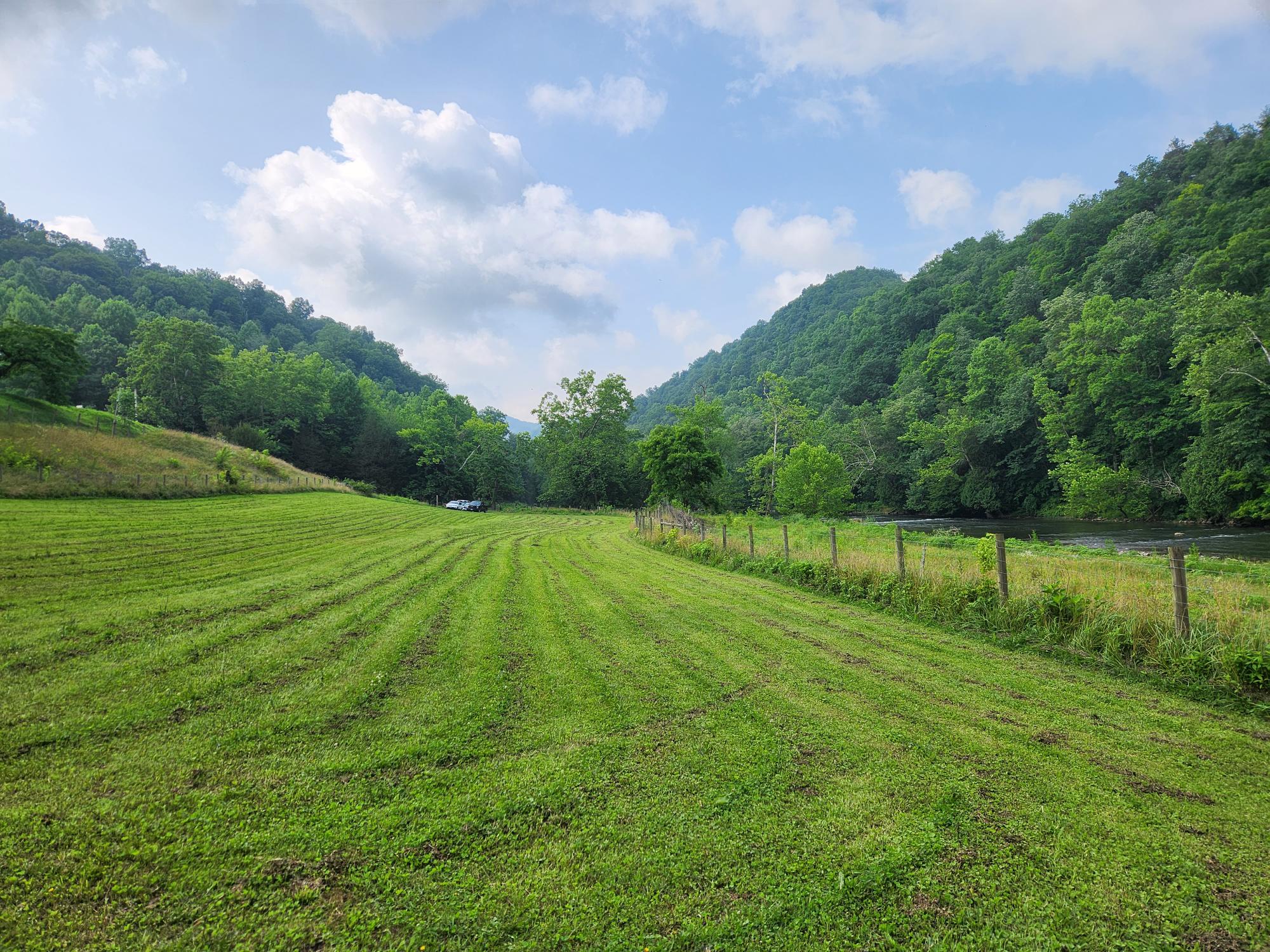
Clinch River State Park
TNC was proud to make its latest transfer of 184 acres to the Virginia Department of Conservation and Recreation in our sustained support for the growing Clinch River State Park. Anchored in the towns of Cleveland and St. Paul, the park is composed of multiple properties that constitute a “blueway” for public recreation stretching across nearly 75 miles of the Clinch River. With TNC’s transfer, the Clinch River State Park now totals 1,343 acres.
Clinch Mountain Coves Preserve
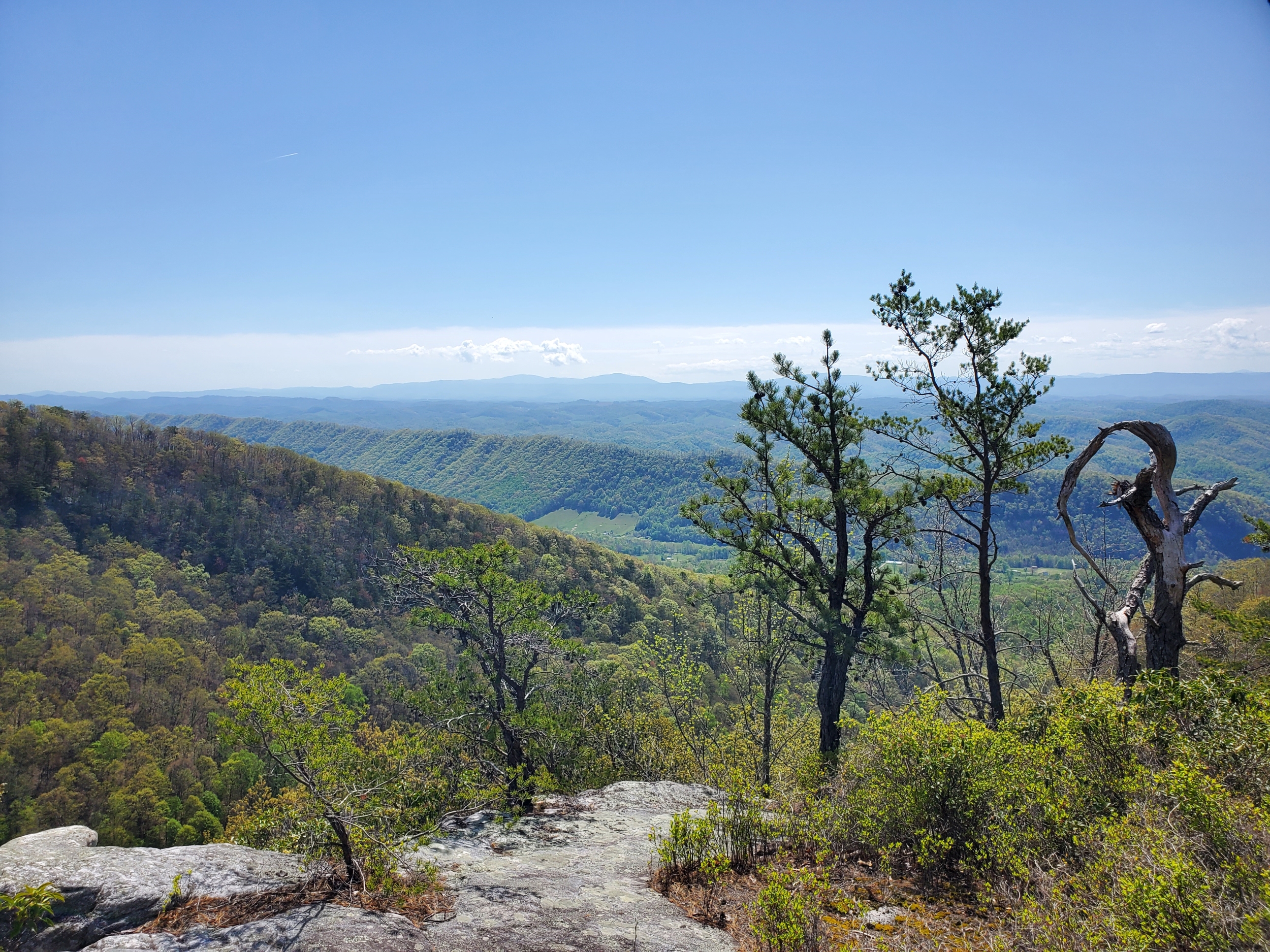
TNC’s vision of a flagship public preserve nestled among the forested coves of Clinch Mountain moved a step closer to reality with the protection of a 34-acre tract in Washington County. This latest acquisition brings us closer to the goal of securing more than 2,000 contiguous acres. Once established, the new preserve will provide a space for community engagement, outdoor recreation and forest restoration efforts across more than 50,000 acres on Clinch Mountain—a key corridor in the Appalachians.
Burton’s Bay and Cedar Island
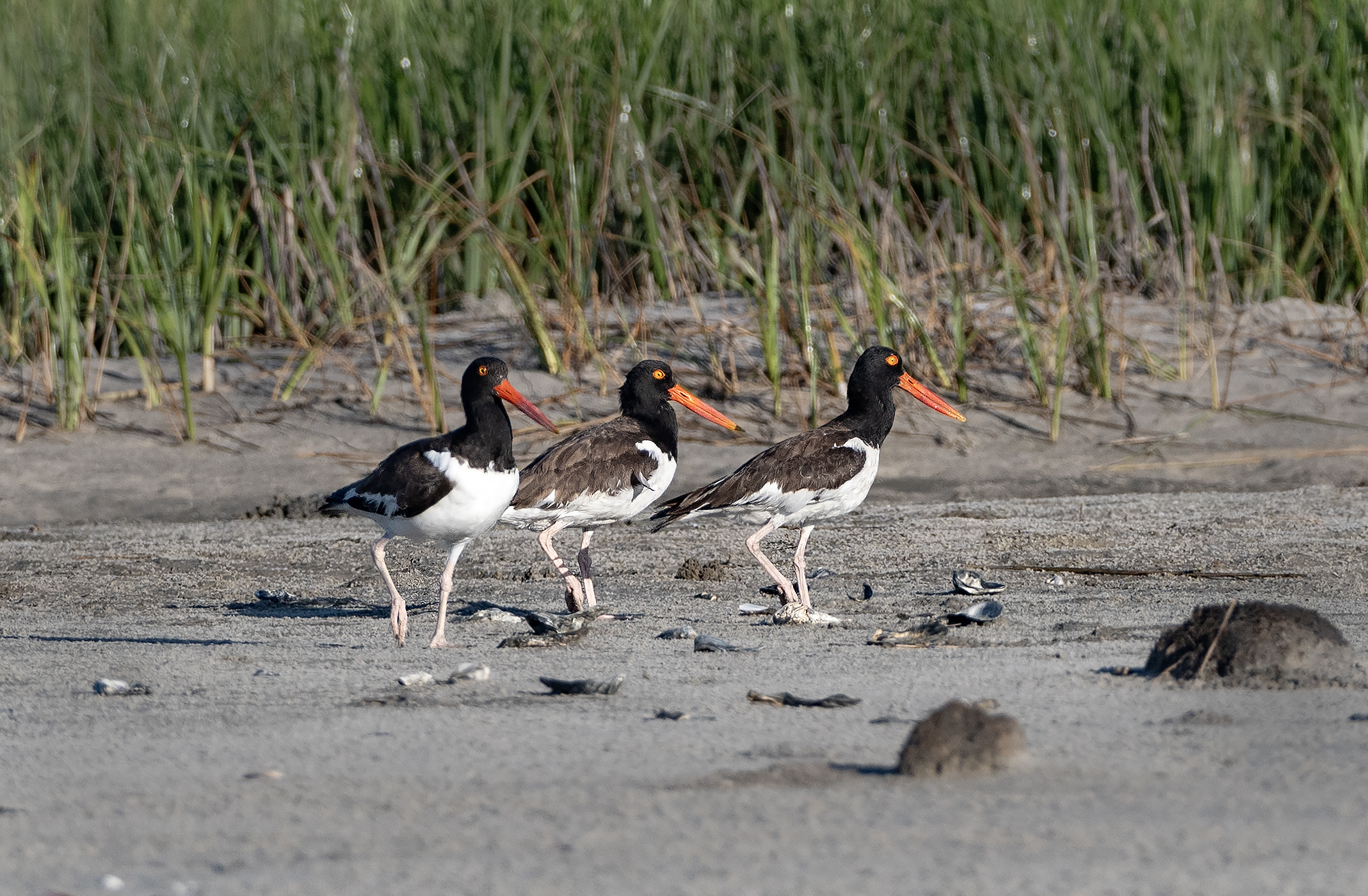
Thanks to a generous donation, TNC now co-owns 910 acres of farmland, forested wetlands and tidal marshes along Burton’s Bay in Accomack County. The property is one of our Virginia Coast Reserve’s top priorities for land protection, benefiting wildlife and water quality on the Seaside and connecting protected lands in-shore from Cedar Island.
Dragon Flats Preserve
The Nature Conservancy transferred the 495-acre Dragon Flats Preserve to the Friends of Dragon Run, a volunteer-led nonprofit dedicated to protecting the Dragon Run watershed. Forming the border between King and Queen and Middlesex Counties, the blackwater stream and swamp system is known for bald cypress and black tupelo trees. The preserve features riverfrontage and provides access for canoeing and kayaking.
“A lot of people don’t even know about the Dragon, but anybody who’s studied it or experienced it can fully understand that it’s a place that needs and deserves to be protected as best we can,” says James Garner, former Virginia State Forester and former TNC Virginia trustee.


Resilient Communities
Planning for High Tide
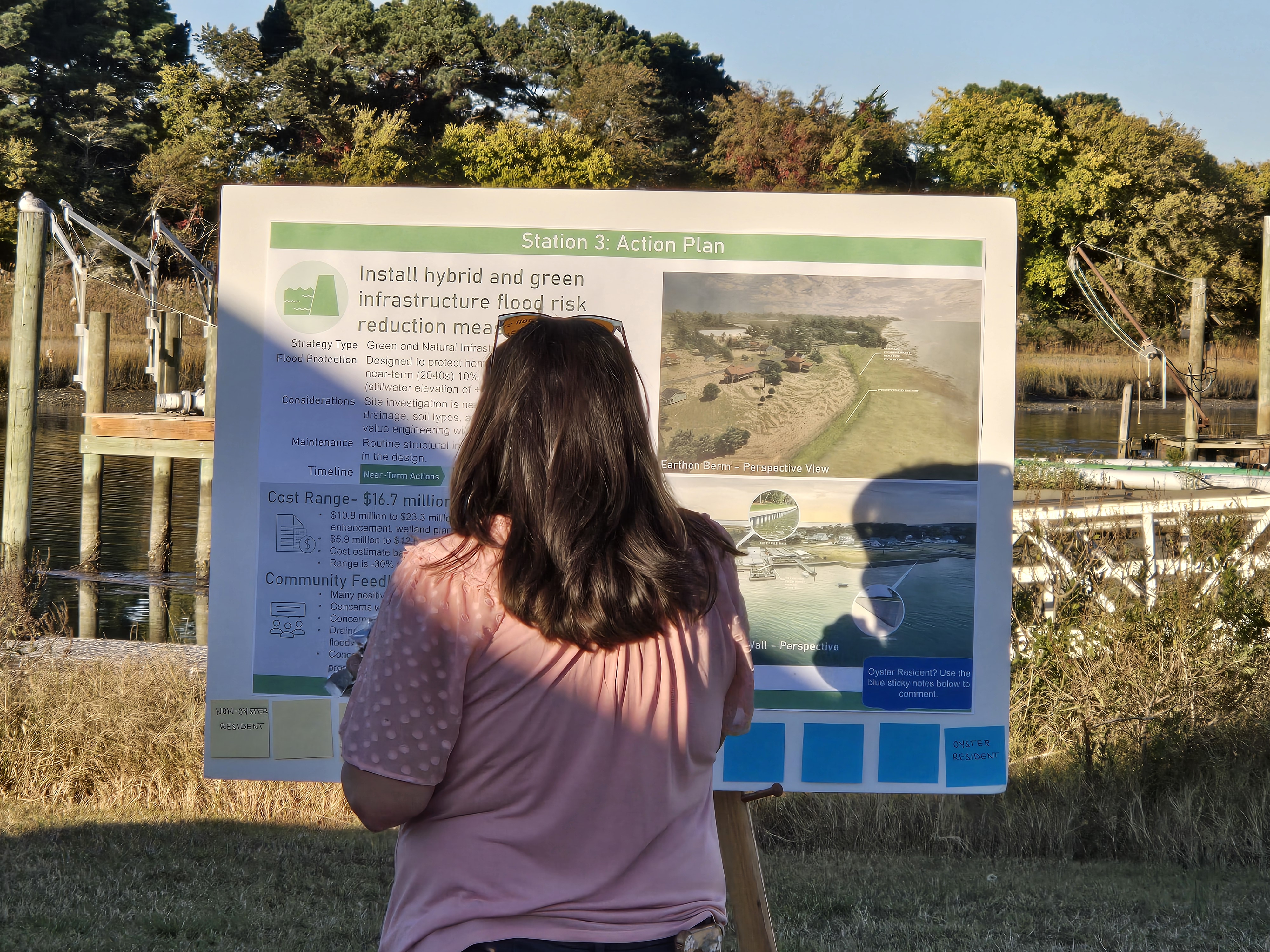
The quiet community of Oyster sits on the seaside of the Eastern Shore of Virginia. The name speaks to the long history that the waterfront has played in the economic and cultural fabric of the region—and the state at large. Coastal storms and tidal flooding are also part of the area’s heritage, but today, climate change and habitat loss are accelerating their impacts. In Oyster, places that flood occasionally today are projected to experience chronic or even daily flooding by mid-century with sea-level rise.
In response to these flooding concerns, TNC partnered with Northampton County to facilitate a community-driven Coastal Adaptation and Resilience Plan for Oyster. With the help of community members, TNC and Northampton County formed a Resilience Steering Committee composed of interested stakeholder groups, including residents, property owners, the aquaculture industry, local government, county planners and research representatives to ensure a community-driven planning effort.
“The result is a plan that supports the town’s vision for the future as a thriving community of people and nature that is safe, cohesive and maintains a working waterfront for commercial and recreational fishing, as well as scientific research, in the face of rising sea levels,” says Susan Bates, TNC coastal science program manager.
Continue reading on page 16 of our 2025 Annual Report.
Policy for Productive Places
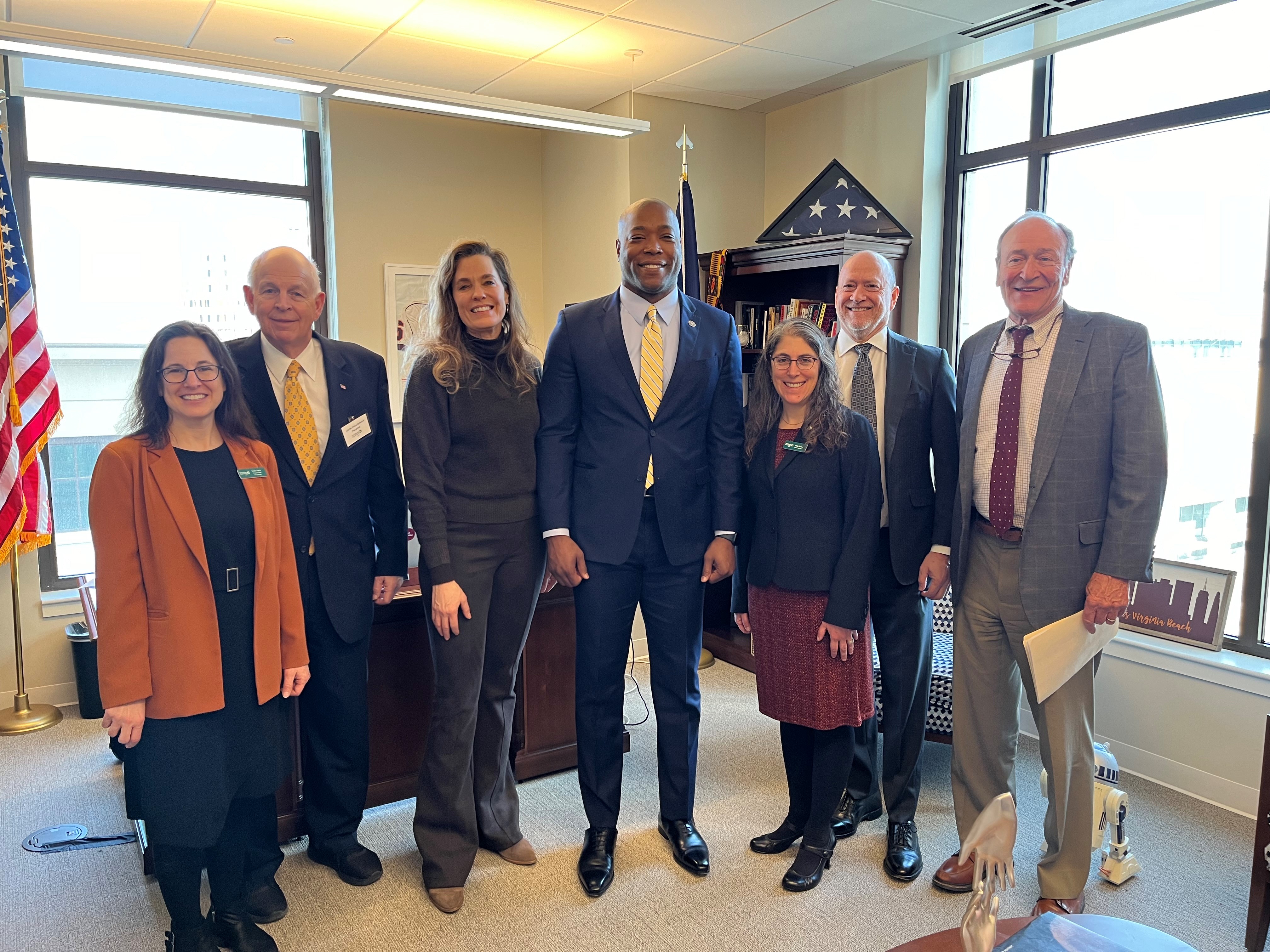
Virginia has bold goals for tackling climate change, including reaching net-zero emissions by 2045. One key to achieving that outcome is rapidly building solar energy capacity. Clean energy is essential to a healthy future, but that transition can’t come at the expense of treasured forests and productive farmland.
In 2022, the Virginia General Assembly passed HB206 to reduce that risk. “Virginia was one of the first states in the nation to require mitigation for solar installations,” says Nikki Rovner, TNC Virginia’s associate state director, who oversees policy initiatives.
In the three years that followed, TNC provided scientific expertise and advised on best practices to inform the regulations that were developed pursuant to the legislation. “Intact forests store carbon, so we promoted an approach that would protect Virginia’s most at-risk and most ecologically significant forests,” says Judy Dunscomb, senior conservation scientist at TNC. “This approach also matters for communities, ensuring that productive and treasured lands are not converted to energy production. We have plenty of land that is better suited for renewable energy installations, like already impacted lands such as brownfields, former mines, and farmland with low productivity.”
Rovner adds that, looking ahead, helping localities benefit from solar energy is a priority. “We are working with stakeholders to understand the issues that face communities, and ultimately, to develop solutions that respond to concerns and enable the approval of as many projects as possible.”
2025 STEP Interns
The Gift of Time and Talent
“I think we’re learning more from our interns than they’re learning from us,” says Bettina Ring, Virginia state director for The Nature Conservancy. That’s the collaborative spirit behind TNC’s Short-Term Experience Program (STEP), which was recognized by the State Council of Higher Education for Virginia as a top employer for interns in 2025.
The program’s goal is two-fold:
- Build pathways for people interested in exploring the field of conservation.
- Create an environment where people of all backgrounds, experiences, and identities feel welcome to participate.
Download our 2025 Annual Report to read more about the interns’ work on page 12.
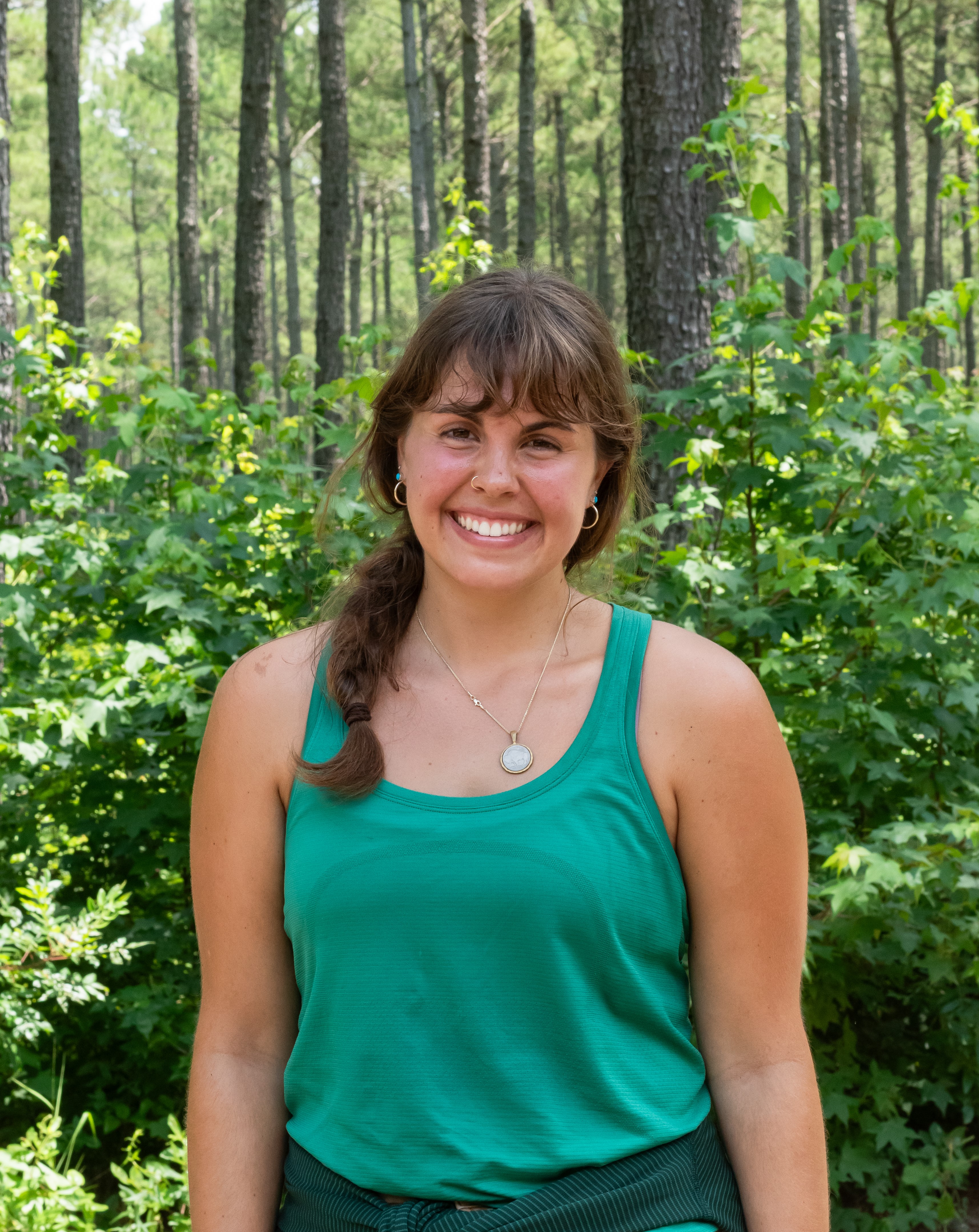
We Can’t Save Nature Without You
Sign up to receive monthly conservation news and updates from Virginia. Get a preview of Virginia's Nature News email

Water Work
Science for the Sea
From Long Island to Cape Hatteras, nearly 50 million people rely on the Mid-Atlantic Seascape, from the shorelines where they live and recreate, to the deep waters that support industries such as shipping, sport and commercial fishing, and offshore wind energy. This highly productive, diverse ecosystem also teems with ocean life. TNC’s marine scientists research the effects of human uses of this ecosystem and inform decisions that balance the needs of people and nature.
Understanding dolphinfish
Together with North Carolina State University, TNC analyzed changes in the diets and sizes of dolphinfish —also called mahi mahi—a prized fish along the entire Atlantic Coast. To fill gaps in what we know about dolphinfish populations, we undertook a series of studies to analyze:
- The sizes of tournament-caught dolphinfish;
- The sizes of trophy dolphinfish caught;
- Stomach contents of 1,300+ dolphinfish distilled from 23 years of data
Collectively, the results suggest a decline in the health of dolphinfish populations. This data is critical for fisheries managers seeking guidance on how to conserve dolphinfish stock.
Generating knowledge through research is one of the ways TNC advances conservation in the ocean, but our work doesn’t end when the science is published. The real value TNC brings is our focus on solutions—we take the science and use it to make change—and in the world of marine conservation, effective, durable policies are what protect marine life and habitats for the long term.
Download the 2025 Annual Report to read the full story on page 14.


Controlled Burning
Fiery Progress
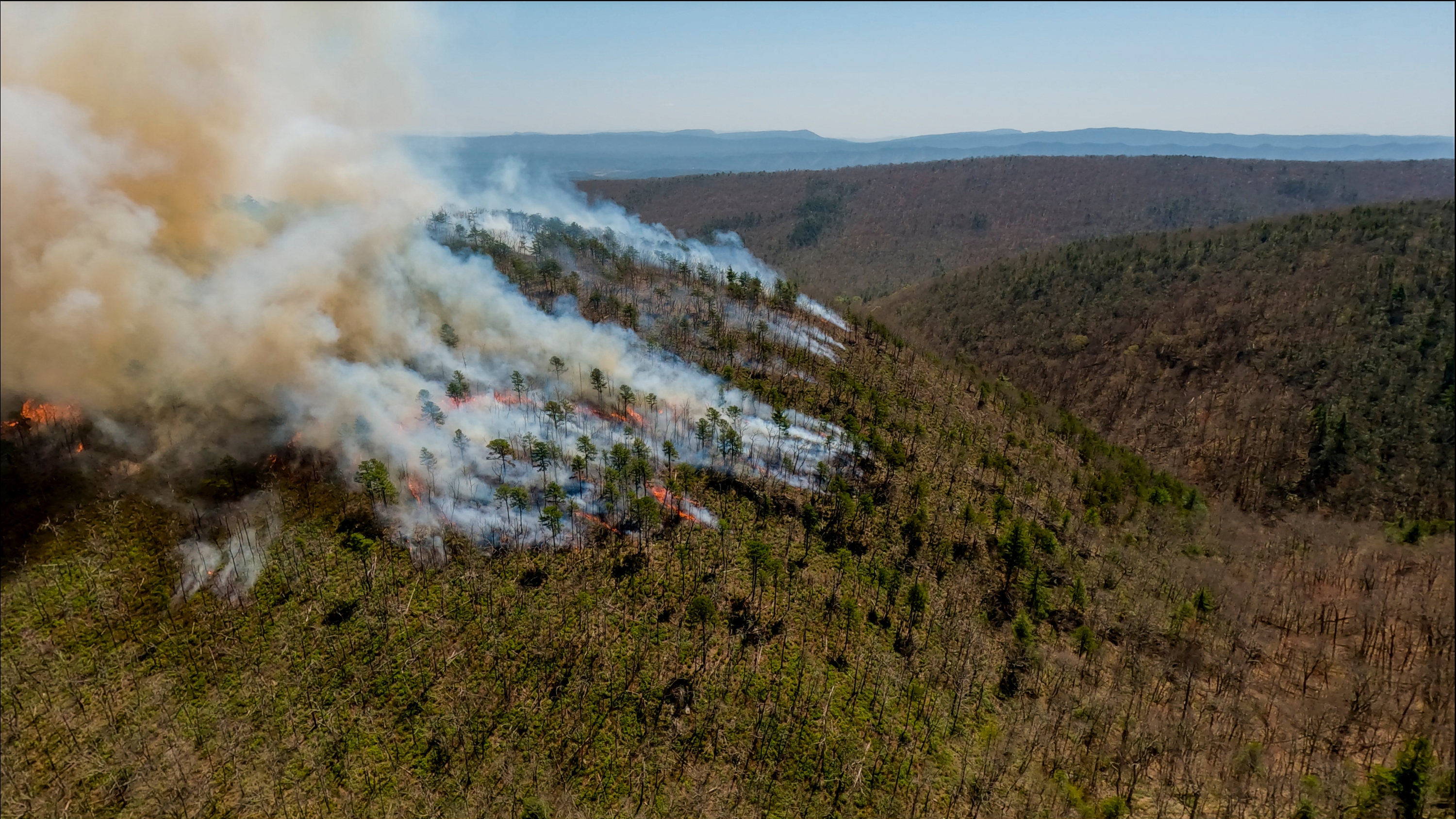
For millions of years, fire has shaped the diversity of life on Earth. Using sophisticated fire practices, Indigenous peoples cared for forests, prairies and other ecosystems. Without such intentional stewardship, including the use of controlled burns, these vital landscapes degrade over time or vanish entirely.
That’s why The Nature Conservancy and partners across 18 states are working to bring fire back to the land. TNC’s Appalachians program is focused on building capacity, fostering collaboration and allocating resources to expand controlled burns in each state within the region, each with its own diverse fire management capabilities and needs.
“Our goal of improving management on nearly 4 million acres across the Appalachians by 2030 depends heavily on scaling up this work with partners, including Tribes, state and federal agencies, nonprofit organizations, contractors, and others,” says Blair Smyth, director of the Allegheny Highlands Program. “Doing so not only benefits the land and wildlife and reduces the buildup of fuels that can lead to large, damaging wildfires, but it also directly supports local communities. Restoring fire to the landscape helps revitalize a culture of stewardship among Appalachian residents while creating new conservation-based employment opportunities that strengthen local economies.”
Download our 2025 Annual Report to read the full story on page 18.
Download the Report
-
Annual Report 2025
From the Appalachians to our Atlantic barrier islands, we're seeing conservation pay off across Virginia. Take a deep dive with our 2025 Annual Report.
Download
Descargar el Informe en Español
-
Reporte Anual 2025
The Nature Conservancy en Virginia está trabajando por un futuro donde las personas y la naturaleza pueden prosperar. Obtenga más información en nuestro Informe Anual de 2025, ahora disponible en español.
Download
Looking Back
-
Our Virginia: 2024 Impact Report
Look at our top 2024 conservation win in our Impact Report.
Download
El Año Pasado
-
Nuestra Virginia: Informe de Impacto 2024
Lee nuestro Informe de Impacto Anual del 2024, ahora disponible en Español.
Download
Make a Difference
Together we can find creative solutions to tackle our most complex conservation challenges and build a stronger future for people and nature. Will you help us continue this work?
Related Articles

Virginia Pinelands Program
Protecting centuries-old cypress swamps, the state's rarest bird and iconic longleaf savannas.

Clinch Valley Conservation Forestry
An innovative effort to protect and restore Appalachian forests for people and nature.

Mid-Atlantic Seascape
Charting a course for sustainable fisheries and a healthy ocean.