

Chattahoochee Fall Line
Georgia

- Phone: 404-873-6984
-
Follow

Rivers and streams tumble toward lower elevations as changes in soil help create a rich and diverse area like no other.
Flowing from the Piedmont, the Chattahoochee River and its tributaries cross the rocky shoals and sand hills of the Fall Line and flow through forests of fire-dependent longleaf pine and rich floodplain hardwoods.
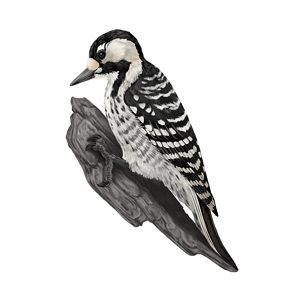
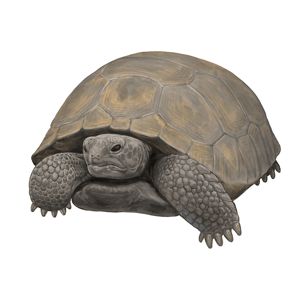
Vast longleaf pine forests provide shelter for rare gopher tortoises and red-cockaded woodpeckers; unusual pitcher plants and wild orchids thrive in wetlands; and rivers, shoals and forests support diverse plant and animal populations.

Hilliard tract in western Georgia. TNC purchased the 8,000-acre tract in 2017 as an addition to the Chattahoochee Fall Line Wildlife Management Area.
Protection Partnerships
Hunters, fishermen, thriving residential and commercial communities, farmers, the forestry industry and the Army at Fort Benning make up some of the hundreds of thousands of people who have a stake in the Chattahoochee Fall Line.
The Nature Conservancy is working with partners including private landowners, business interests, the Department of Defense (DOD) and the Chattahoochee Fall Line Conservation Partnership to protect the ecological diversity and natural heritage of the Chattahoochee Fall Line while meeting the needs of this growing community. DOD established the Readiness and Environmental Protection Integration (REPI) Program to insulate the military’s ability to train, test and operate in the state, while protecting and restoring key habitats. Together, we work to create a sustainable landscape of native wildlife and plant communities that support forestry, farming, hunting, outdoor recreation, tourism and the military training mission at Fort Benning.
Land protection is the primary strategy for conservation in the CFL, with an emphasis on longleaf pine forests surrounding Fort Benning. Many of our nation’s military bases are surrounded by longleaf forests, including Camp Shelby Training site in Mississippi, and Fort Liberty in North Carolina.
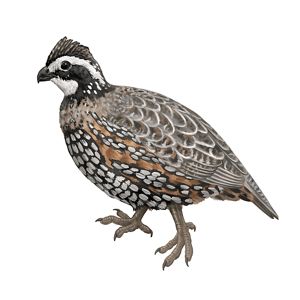
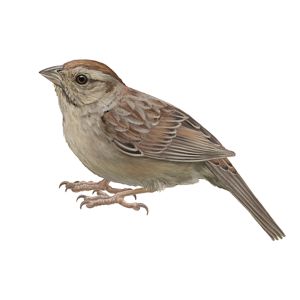
Wildlife of the Fall Line
Fort Benning actively works to protect the endangered species found here, especially the red-cockaded woodpecker. When new lands around the base are protected, we help give the endangered birds more places to forage and nest, leading to healthier populations overall.
The Impact of Your Support
TNC is celebrating a major expansion of our footprint in the Chattahoochee Fall Line. We recently opened a new headquarters in the region, giving us a new home in the landscape with plenty of space to grow.
About the Fall Line: Georgia’s Natural Heritage
For many Georgians, the Fall Line is where north and south Georgia divide, but the term really comes from nature. There’s a change in the landscape that defines the Fall Line that naturally moves from Augusta in the east to Columbus in the west—and even into Alabama—where clay soils give way to sandier soils and rivers and streams fall from higher to lower elevations.
This landscape has been a natural destination for Native and European settlers for centuries. Vast longleaf pine forests dominated the area and the rich soil made living off the land possible. Rivers, streams and wetlands sustained abundant and varied native wildlife and plant communities.
But as population and farming along the Chattahoochee Fall Line grew, so did private and federal industry, drastically altering or endangering many of the region’s natural systems.

Hilliard tract in western Georgia. TNC purchased the 8,000-acre tract in 2017 as an addition to the Chattahoochee Fall Line Wildlife Management Area.
Related Articles

Gopher Tortoise
The gopher tortoise is one of the oldest living species on the planet, yet it's threatened or nearly extinct in parts of its range. Find out how we're protecting gopher tortoise habitat!

Red-Cockaded Woodpecker
Today there are just 1% of the red-cockaded woodpeckers than there were at the time of European settlement. The red-cockaded woodpecker has been on the endangered species list since October 1970, but TNC is working hard to change that.

Securing Georgia’s Fresh Water
We’re working on multiple fronts to secure clean water for drinking, recreation, wildlife habitat and more.