
interstitialRedirectModalTitle

interstitialRedirectModalMessage

Places We Protect

Chrome Barrens

Pennsylvania

Misty view of an open field scattered with trees at varying stages of height and growth. A tree covered mountain rises in the distance.
Chrome Barrens Chrome Barrens of Pennsylvania, part of the largest Serpentine Barrens in the United States. © The Nature Conservancy

The Chrome Barrens are part of the largest occurrence of serpentine barrens in the eastern U.S.

Overview

Description

About Current Ownership and Management: Today, the Lower Chrome tract of Chrome Barrens Preserve is owned and managed by the Pennsylvania Game Commission (PGC), following its transfer from The Nature Conservancy after decades of active stewardship. This transition places the property within Pennsylvania’s public trust, ensuring long‑term conservation of its globally rare serpentine barrens ecosystem. Under PGC’s leadership, the land continues to be managed for habitat health, biodiversity and responsible public access—allowing visitors, naturalists and researchers to explore and appreciate one of the most unique ecological landscapes in the eastern United States.

Part of the State Line Serpentine Barrens, this landscape represents the largest concentration of serpentine barrens in the eastern United States. Chrome Barrens is defined by thin, nutrient‑poor soils and patches of exposed, light‑green serpentine rock. These harsh, sun‑baked conditions create a desert‑like environment that supports an extraordinary collection of rare, threatened and endangered species uniquely adapted to survive in this challenging habitat.

Historically known as the State Line Mining District, the area was mined for chromium, feldspar and magnesite in the 19th century—a legacy still evident across the landscape today.

Special thanks to Elk Township and the Friends of the State Line Serpentine Barrens for their ongoing partnership and dedication to caring for this remarkable natural area.

Access

OPEN TO THE PUBLIC

Please be aware this preserve has no restroom facilities.

Size

340 acres

Explore our work in Pennsylvania

Visitor Information

  • Hiking

    Explore the Chrome Barrens on several miles of scenic hiking trails. These trails wind through unique habitats and landscapes, including historic mine roads, cedar and pine forests, and the barrens themselves. The harsh conditions in the barrens have shaped a distinctive landscape, which tends to be 10-15 degrees warmer than the surrounding preserve area.

    Birding

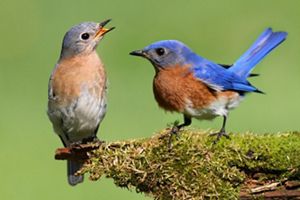
    While visiting, you might notice Eastern bluebirds, Northern cardinals and Towhee. Keep an eye or ear out for migrant birds—colorful and often quite vocal—as you explore the area.

  • There is so much fascinating flora and fauna that call Chrome Barrens home.

    Animals

    • Spring: During spring, keep an eye out for migrant birds like Eastern Bluebirds, Northern Cardinals, and Towhees. These colorful avian visitors add vibrancy to the landscape.
    • Late Summer: As summer transitions to fall, the butterfly season peaks. Look for several winged butterfly species, including the Red-banded Hairstreak, Cobweb Skipper, Barrens Buckmoth, Mottled Duskywing, and Dusted Skipper.
    • Fall: The fall season brings a riot of colors as the foliage changes. Enjoy the vibrant hues of the changing leaves.

    Plants

    The Chrome Barrens’ unique habitat—sun-baked serpentine rock and gravel—supports rare and unusual plant species adapted to withstand heat and drought. Here are some remarkable plants to discover:

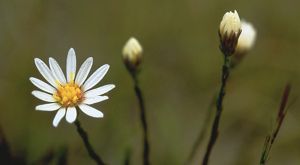
    • Serpentine aster: This species is exclusive to the serpentine barrens in Pennsylvania and Maryland and can be found nowhere else in the world. Its nearly leafless, red-colored flower stalks and ground-hugging rosette help it thrive in harsh conditions.
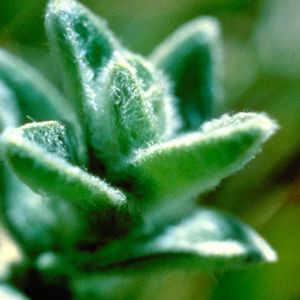
    • Long-haired Barrens Chickweed: A delicate flowering plant that adds beauty to the landscape.
    • Glade Spurge: Look for this unique spurge species with its distinctive appearance.
    • Fameflower: Like a cactus, it is a true succulent, tolerating heat and drought by storing water in stems and pads.
  • We are creating a community science database of all kinds of life—from lichens to ants, mushrooms to plants, birds to mammals and everything in between for our preserves in Pennsylvania and Delaware.

    TNC’s roots began with local citizens and scientists concerned about special places and species. That legacy continues today. Across our lands, we are utilizing iNaturalist—a digital platform that gives users an opportunity to share and discuss their findings.

    Of the 14 preserve projects in iNaturalist, nine have observations recorded; help us increase that number and our understanding of the species—good and bad, native as well as invasive—that can be found on TNC lands across the state. This information can also help guide and inform our conservation staff’s management and monitoring decisions.

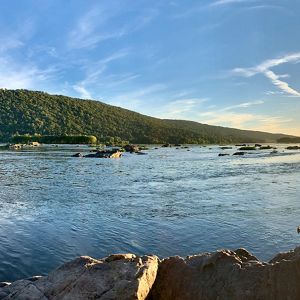
Views of the Chrome Barrens

The Chrome Barrens’ unique habitat—sun-baked serpentine rock and gravel—supports several rare species adapted to withstand heat and drought.

A five point pink flower grows out of rocks.
A gray butterfly with orange winged tips perches on white flowers.
A tall flower with a yellow center and white pedals grows against a green background.
Two bluebirds sit on a mossy log.

Find More Places We Protect

The Nature Conservancy owns nearly 1,500 preserves covering more than 2.5 million acres across all 50 states. These lands protect wildlife and natural systems, serve as living laboratories for innovative science and connect people to the natural world.

See the Complete Map