
interstitialRedirectModalTitle

interstitialRedirectModalMessage

Places We Protect

Maidstone Bends Preserve

New Hampshire

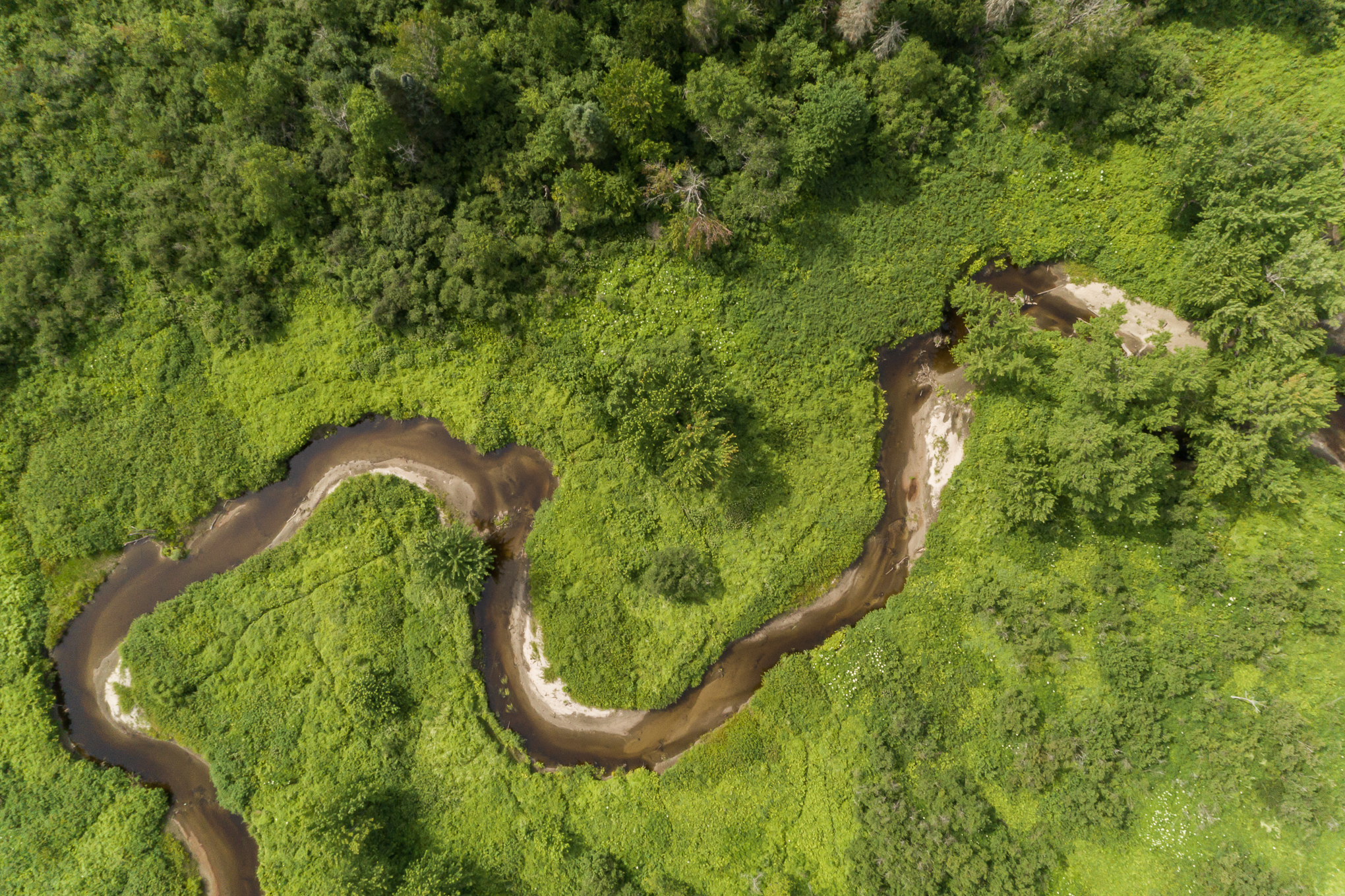
An aerial view of a river winding through a forested landscape.
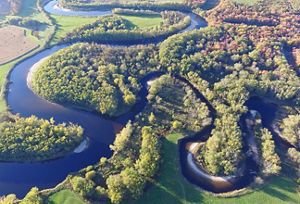
Maidstone Bends Preserve Floodplain forests are the crowning jewel of this preserve along the Connecticut River in Northumberland, New Hampshire. © Darrell Bodnar

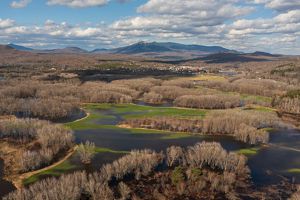
Where the Upper Connecticut River twists and turns, floodplain forests and wetlands protect clean water, support wildlife, reduce flooding and connect landscapes.

Overview

Description

Near the confluence of the Connecticut and Upper Ammonoosuc rivers, Maidstone Bends Preserve protects a remarkable landscape of floodplain forests (areas along the river that flood each spring), wetlands, fields and river habitat in northern New Hampshire in the town of Northumberland and village of Groveton. Shaped by seasonal flooding and the winding course of the Connecticut River, this landscape provides clean water, reduces flood impacts and supports a rich variety of wildlife.

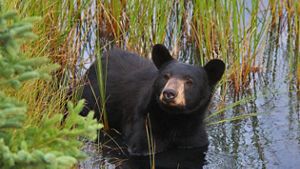
Visitors can explore the 1,459-acre preserve year-round while enjoying opportunities for hiking, birding, wildlife observation, fishing, hunting, snowshoeing and cross-country skiing. The preserve's oxbows, wetlands and floodplain forests attract migratory birds, bald eagles, moose, bear, and many other species that depend on healthy river systems. Please note that there is no formal trail system and there is no boat launch at this preserve. Please do not attempt to launch a vessel from the steep, sandy river banks. Formal boat launches maintained by New Hampshire Fish and Game and local municipalities can be found in the area.

Maidstone Bends is also part of a larger conservation story. Along both banks of the Connecticut River, The Nature Conservancy and partners are working to protect and restore freshwater habitats that support both people and wildlife. At the same time, the preserve contributes to a broader network of connected lands across the Appalachians, helping plants and animals move through the landscape and adapt to a changing climate.

Access

OPEN TO THE PUBLIC

Please respect the private residence and seasonal haying operations.

Hours

The preserve is open dawn to dusk daily.

Highlights

Experience a landscape shaped by the Connecticut River, where floodplain forests, wetlands and wildlife create opportunities for birding, fishing, hunting, walking, hiking, cross-country skiing, snowshoeing and nature observation year-round.

Size

1,459 acres

Explore our work in New Hampshire

Photos from Maidstone Bends Preserve

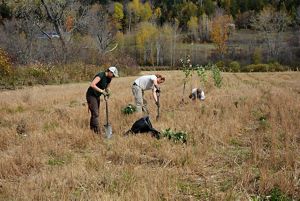
In addition to being a unique place to explore by foot or float, Maidstone Bends is also home to one of New England's most ambitious floodplain forest restoration efforts.

A river overflows its banks as it winds through a forested landscape. In the background rises mountain peaks with a partly cloudy blue sky.
Three people planting trees in a field.
An aerial view of a river winding through a green forested landscape.
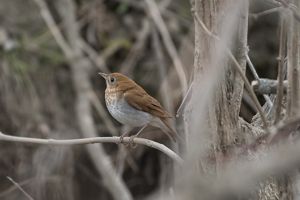
A small brown and white songbird stands on a bare branch.
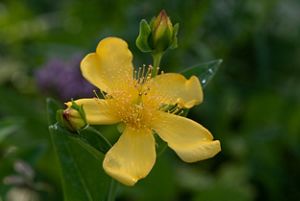
A close-up of a yellow flower with five bright yellow petals.
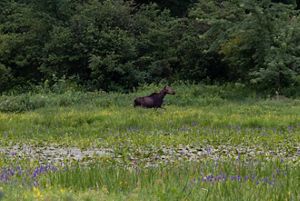
A moose walks through a green forested landscape. Some purple flowers can also be seen in the foreground.
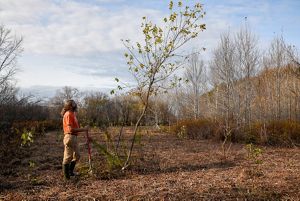
A man with a beard and orange shirt plants a tree about twice his height in a field.
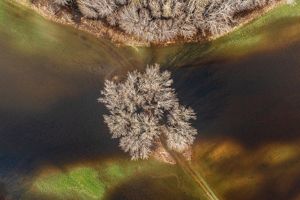
Looking down on a single tree in the middle of a river.
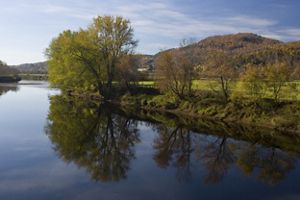
Looking across a river at a green riverbank dotted with trees. A mountain rises in the background. The river is calm.
A black bear standing in a wet area.

Visit

  • Maidstone Bends offers a chance to experience one of the most intact floodplain landscapes in the Upper Connecticut River watershed. As the river winds through forests, wetlands and open fields, it creates habitat for wildlife and shapes a landscape that changes with the seasons.

    During your visit, keep an eye out for:

    • Floodplain forests and wetlands that help filter water and reduce flooding;
    • Oxbows and river channels formed by the meandering Connecticut River;
    • Bald eagles, waterfowl, songbirds and other wildlife;
    • Open fields and working lands that remain part of the region's agricultural heritage.


  • Visitors can enjoy a variety of outdoor activities throughout the year, including:

    • Hiking and walking
    • Birding and wildlife observation
    • Fishing
    • Hunting (in accordance with NH Fish & Game regulations)
    • Snowshoeing
    • Cross-country skiing

    Please note that there is no formal trail system and no public boat launch at the preserve. Formal boat launches maintained by New Hampshire Fish and Game and local municipalities can be found in the area.

    • Parking: The preserve entrance shares a driveway with a private residence. Please be respectful, as this is someone's home.
    • Trails: There is no formal trail system at this preserve. Please refrain from cutting or otherwise developing informal trails.
    • Seasonal notes: Many portions of the preserve flood in the spring (it's a floodplain, after all!) Please note that it can get very wet and muddy. Visitors should also be aware that portions of the preserve remain in active agricultural use. Haying operations may occur throughout the year, and visitors should avoid disturbing hayfields, equipment and ongoing farm activities.
    • Hunting: Allowed on parts of the preserve—wear blaze orange in fall.
    • Leave No Trace: Pack out all trash, stay on marked trails, and respect wildlife.
    • Pets: Dogs are allowed but must be leashed at all times.
  • To minimize disturbance of the wildlife and habitat of this nature preserve and to support the enjoyment of all visitors, please follow these guidelines:

    • Leave No Trace—please keep the preserve clean by carrying out your trash.
    • Motorized vehicles and horses are prohibited.
    • Help us protect wildlife on the preserve and be respectful of other hikers by keeping dogs leashed and under verbal control.
    • Respect the natural world around you! Do not remove or destroy plants, wildlife, minerals, rocks or cultural items.
    • No camping or open fires allowed.
    • Hunting is allowed in parts of the preserve. Please obey all posted signs and contact the New Hampshire Fish & Game Department for dates and regulations.
    • Other Power-Driven Mobility Devices (e.g., utility vehicles, Segways, golf carts, etc.) are prohibited at this preserve. 
Looking down on a sandy-bottomed river as it twists and turns through a green forested landscape.
Connecticut River The Upper Connecticut River winds its way through the Maidstone Bends Preserve. © Jeff Lougee/TNC

History

A Landscape Shaped by Water

Long before roads, railroads and farms changed this part of northern New Hampshire, the Connecticut and Upper Ammonoosuc rivers shaped how people moved through and lived with the landscape. These waterways are part of N’dakinna, the broader homeland of Abenaki people, and rivers like the Connecticut served as important travel routes for Indigenous communities. The Upper Ammonoosuc River’s name is of Abenaki origin and has been translated as “small narrow fishing place."

At Maidstone Bends, the rivers still define the land. As the Upper Connecticut River twists and turns through the valley, seasonal flooding creates a shifting mosaic of floodplain forests, wetlands, oxbows and open fields. These natural floodplain systems help absorb floodwaters, filter water and provide habitat for wildlife throughout the watershed.

Today, Maidstone Bends Preserve protects one of the most intact floodplain landscapes along the river. Its forests, wetlands and river corridors support migratory birds, bald eagles, moose, bear and other wildlife that depend on healthy river systems.

Growing a Conservation Landscape

The modern conservation story of Maidstone Bends began in 2010, when The Nature Conservancy protected the former Potter Farm in Northumberland and Groveton. That initial land protection effort helped connect thousands of acres of conserved land along the Connecticut River and the nearby Cape Horn State Forest.

Since then, additional conservation efforts have expanded the preserve and strengthened connections among rivers, wetlands, forests and working lands throughout the region. Today, Maidstone Bends serves as an anchor in a larger network of protected lands that supports wildlife, protects clean water and connects people to the Upper Connecticut River landscape.

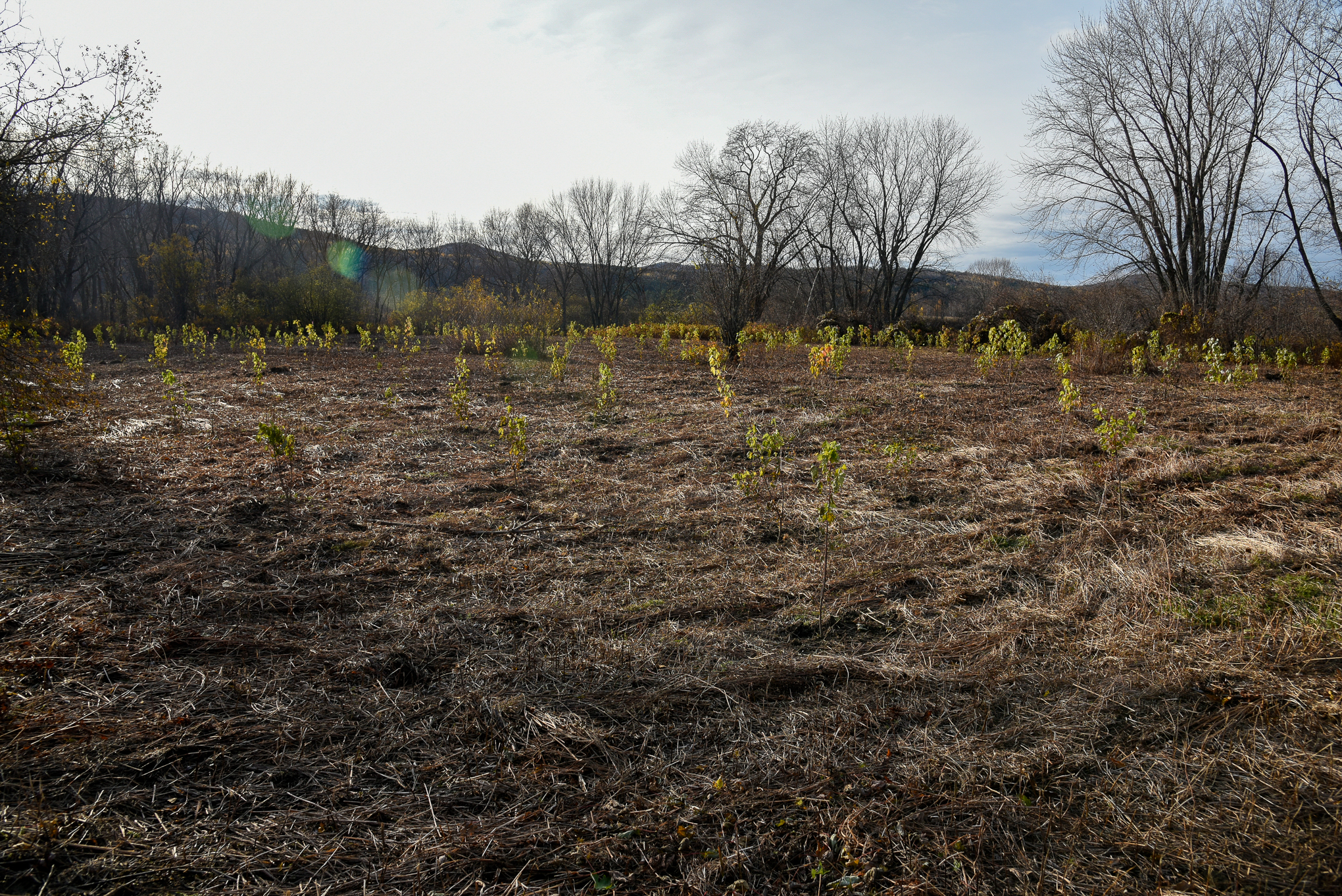
Looking out over a hayed field where many young tree saplings have been planted. The few mature trees around do not have leaves on them.
Replanting a Floodplain Forest Staff, partners and volunteers have planted more than 10,000 native trees and shrubs at Maidstone Bends Preserve since 2020. © Jeff Lougee/tNC

Restoration

Restoring Floodplain Forests Along the Connecticut River

Conservation doesn't stop once land is protected. At Maidstone Bends Preserve, we're working with conservation partners and volunteers to restore floodplain forests and strengthen the natural processes that keep this river landscape healthy and resilient. Floodplain forests help filter water, reduce flooding, store carbon and provide habitat for wildlife, but many of these forests were cleared over time for agriculture and other land uses.

Today, native trees and shrubs are being planted across former agricultural fields at Maidstone Bends to restore floodplain habitat and reconnect forests along the Connecticut River. Since 2010, nearly 10,000 native trees and shrubs have been planted and nearly 100 acres of floodplain habitat have been restored, with additional restoration planned in the years ahead. If successful, the results will yield the largest floodplain forest restoration effort in New England.

This work is part of a larger effort to restore floodplain forests throughout the Connecticut River watershed. Conservation doesn't end at the state line, and restoration is underway on both sides of the river in New Hampshire and Vermont. One of the most exciting restoration efforts focuses on the American elm, a tree that once defined floodplain forests throughout New England before Dutch elm disease devastated populations in the twentieth century. Across the river in Vermont, TNC and partners are identifying disease-resistant elm trees, breeding their offspring and inoculating young trees with Dutch elm disease to identify the most promising survivors. The goal is to one day return healthy populations of this iconic tree to floodplain forests throughout the Connecticut River watershed. 

By restoring floodplain forests on both sides of the river, partners are helping ensure that the Connecticut River remains a healthier, more resilient landscape for wildlife and people for generations to come.

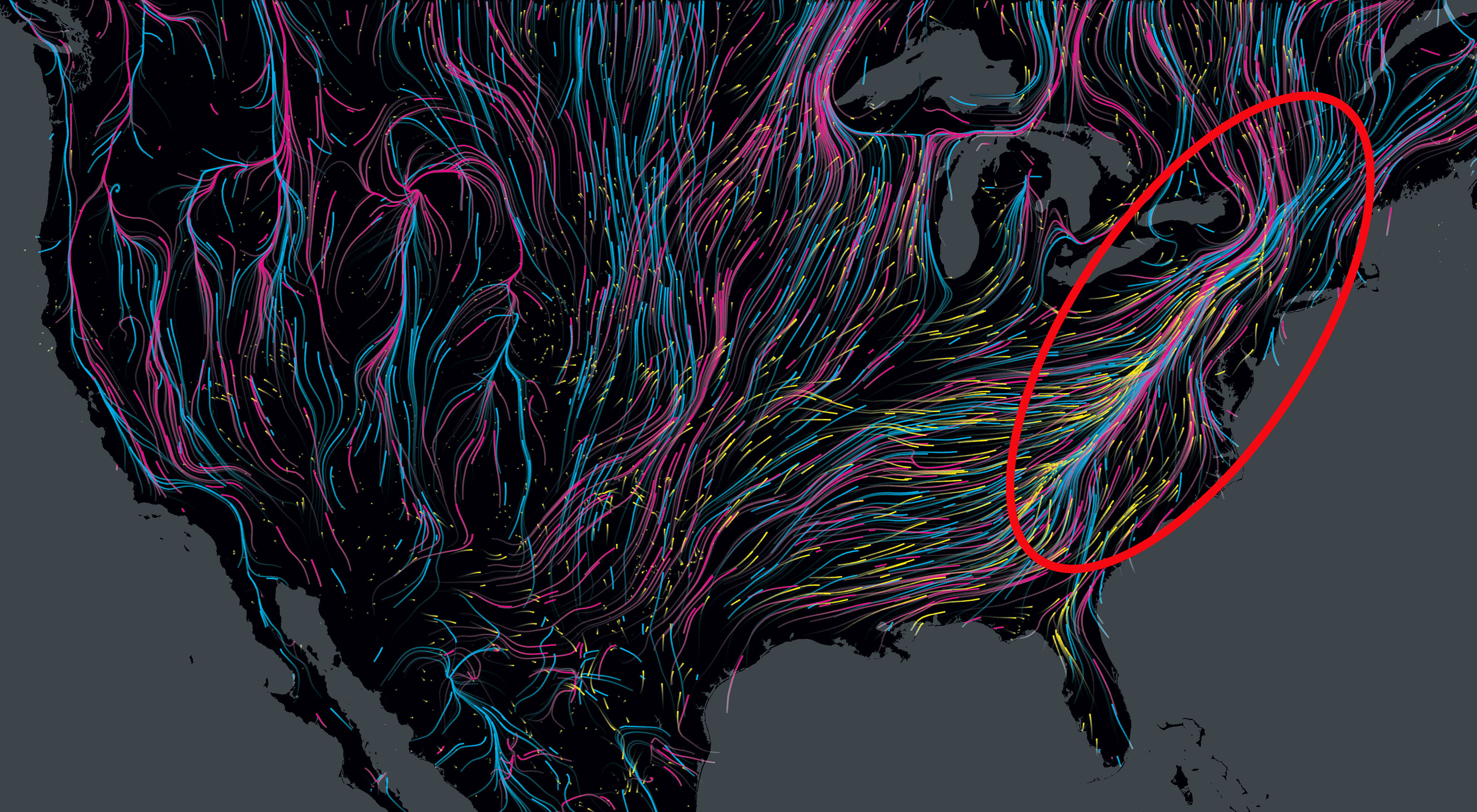
Map shows mammal paths in pink, birds in blue, and amphibians in yellow. The Appalachians in red circle.
Nature's Highways As the climate changes, plants and animals are shifting their ranges to adapt and thrive. This map shows where mammals, birds and amphibians are moving in the Appalachians. © Dan Majka/The Nature Conservancy (adapted for print by Nicholas Rapp)

The Appalachians

Connected Lands and Rivers Across the Appalachians

The forests, wetlands, fields, and floodplains protected at Maidstone Bends are part of a much larger network of connected lands and waters stretching across the Appalachian Mountains. This globally important landscape, home to millions of people, extends from Alabama to Canada and provides habitat for wildlife, clean drinking water, stores carbon and helps plants and animals adapt to a changing climate.
Places like Maidstone Bends play an important role in keeping this landscape connected. Wildlife often needs room to move between forests, wetlands and mountains in search of food, mates and shelter. By protecting and restoring important habitats along the Connecticut River, we are helping maintain these connections across the region.

Connections matter in rivers, too. Healthy rivers depend on connected streams, floodplains and wetlands that allow fish and other aquatic species to move freely while helping communities better withstand flooding. Through our Reconnecting Appalachian Rivers initiative, we are working together with partners to restore river connections, improve aquatic habitat and strengthen freshwater systems across the Appalachians. These rivers and streams support more than half of North America's aquatic species and provide drinking water for millions of people.

At Maidstone Bends, these ideas come together. Floodplain forest restoration, land protection and stewardship help keep the Connecticut River connected to the habitats and natural processes that wildlife and people depend on. As part of our broader work across the Appalachians, conservation efforts here help support healthier forests, more resilient rivers and a more connected landscape for future generations.

Nearby Preserves

Need more nature? Visit The Nature Conservancy's other preserves.

Find More Places We Protect

The Nature Conservancy owns nearly 1,500 preserves covering more than 2.5 million acres across all 50 states. These lands protect wildlife and natural systems, serve as living laboratories for innovative science and connect people to the natural world.

See the Complete Map

Support Our Work

Your contributions help us continue our conservation work in New Hampshire.