


Bluffs of St. Teresa Aerial view of the Bluffs of St. Teresa in Florida. © Russell C. Mick
Florida Land Protection Successes
The Nature Conservancy has conserved and protected thousands of acres, representing some of Florida’s oldest and most vulnerable natural habitats.
Data drives our impact. TNC and our partners consider potential sites’ connection to the Florida Wildlife Corridor and other priority protection areas, working with other organizations to save special places from development.
In the corridor, TNC aims to connect protected lands, ensuring that wildlife have safe movement pathways for migration and survival. With each acquisition, we work with partners to not only save the land, but to improve it by identifying management and restoration needs.


Benefits of Protecting Lands
Protect habitat for imperiled and iconic plants and wildlife such as the Florida panther, red-cocladed woodpeckers, bald eagle, manatee, wood stork and gopher tortoise,
Support freshwater and marine landscapes, including critical water supplies,
Enhance water quality and strengthen nature-based solutions and essential ecosystem services to the residents of Florida,
Connect residents and visitors with nature through public recreational opportunities, including fishing, hiking, kayaking, hunting and more,
Provide benefits to climate resilience, adapt to sea level rise and sequester carbon,
Link conserved lands to make management activities safer and more efficient, including prescribed fire and non-native invasive species treatment.

We Can't Save Nature Without You
Sign up to receive Nature News Florida email updates.
Recent Land Acquisitions Across the Sunshine State

North Florida
Connecting vast longleaf pine forests, undeveloped Forgotten Coast waterways and corridors along the Apalachicola River.
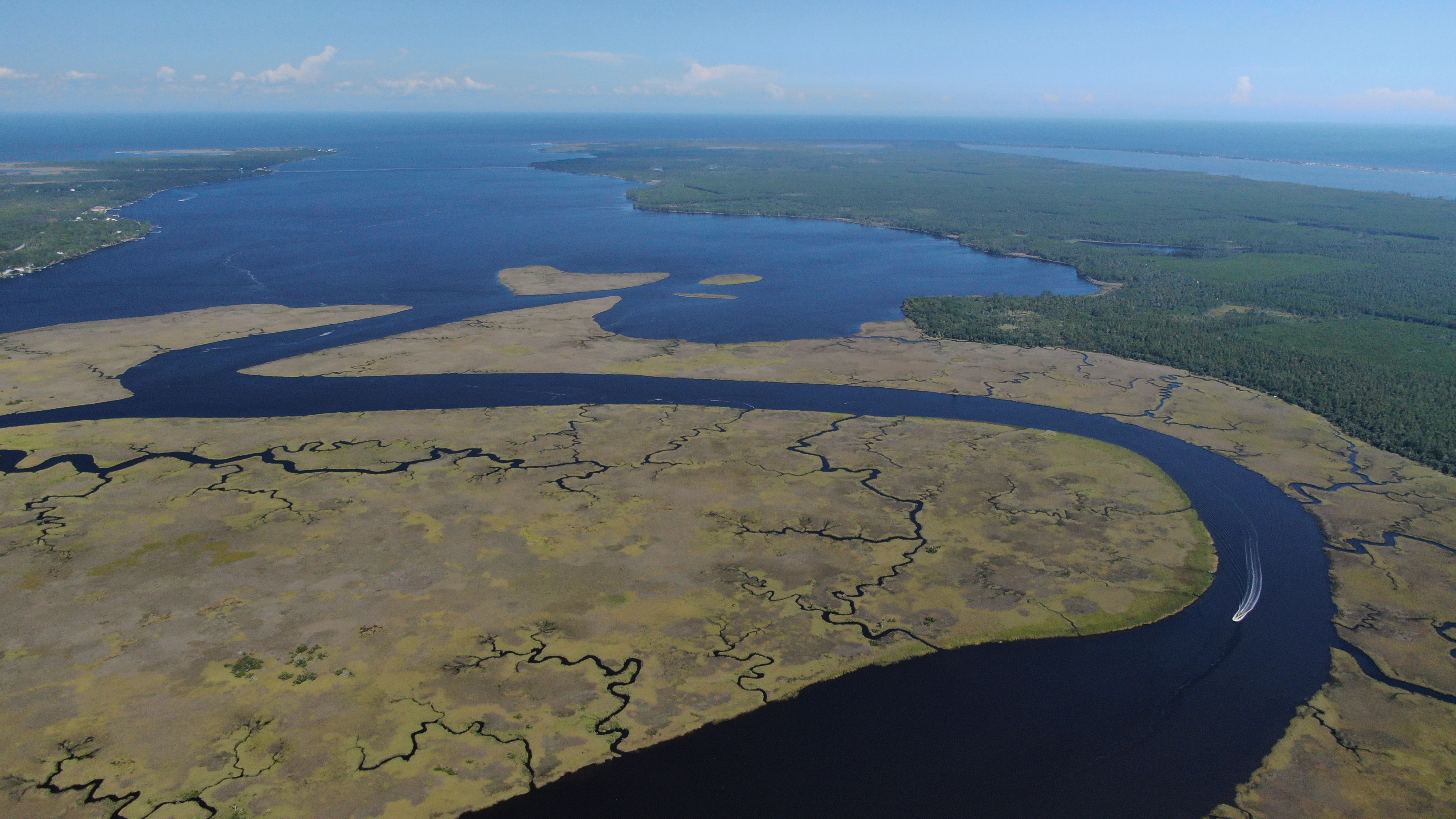
Bluffs of St. Teresa: Now a Florida State Park
This once-in-a-generation win for the environment protects 17,000 acres of habitat with immense conservation value. This essential tract of coastal habitat in Florida’s Big Bend is part of a protected landscape spanning more than one million acres. This conservation milestone benefits climate resilience, water quality, safeguards of habitat needed by countless native and migrating species and has now been designated as a Florida State Park.
Finalized in 2020, this acquisition was more than 10 years in the making and closes the gap between Bald Point State Park and Tate’s Hell State Forest, creating a contiguous protected landscape that includes the Apalachicola National Forest, St. Marks National Wildlife Refuge and the Ochlockonee River State Park. The protection of the Bluffs marks a conservation milestone, with benefits to climate resilience, preservation of rivers and lakes that are critical to water quality, quantity and the health of the region’s aquaculture and the safeguarding of habitat needed by countless native and migrating species.
The Bluffs of St. Teresa includes lakes, wetlands, floodplain swamp, salt marshes and tidal creeks along uplands that include pine forest, shrub and bog. It is home to rare plants, endangered animals and includes water frontage along the Gulf of America, Ochlockonee Bay and Ochlockonee River. Not only does this area connect multiple state parks and federally preserved lands, it also protects estuarine and freshwater resources that make up the economic and ecological lifeblood of the near-shore Gulf. Since its acquisition by TNC, the tract became a Florida State Park as the St. Teresa Tract of Bald Point State Park.
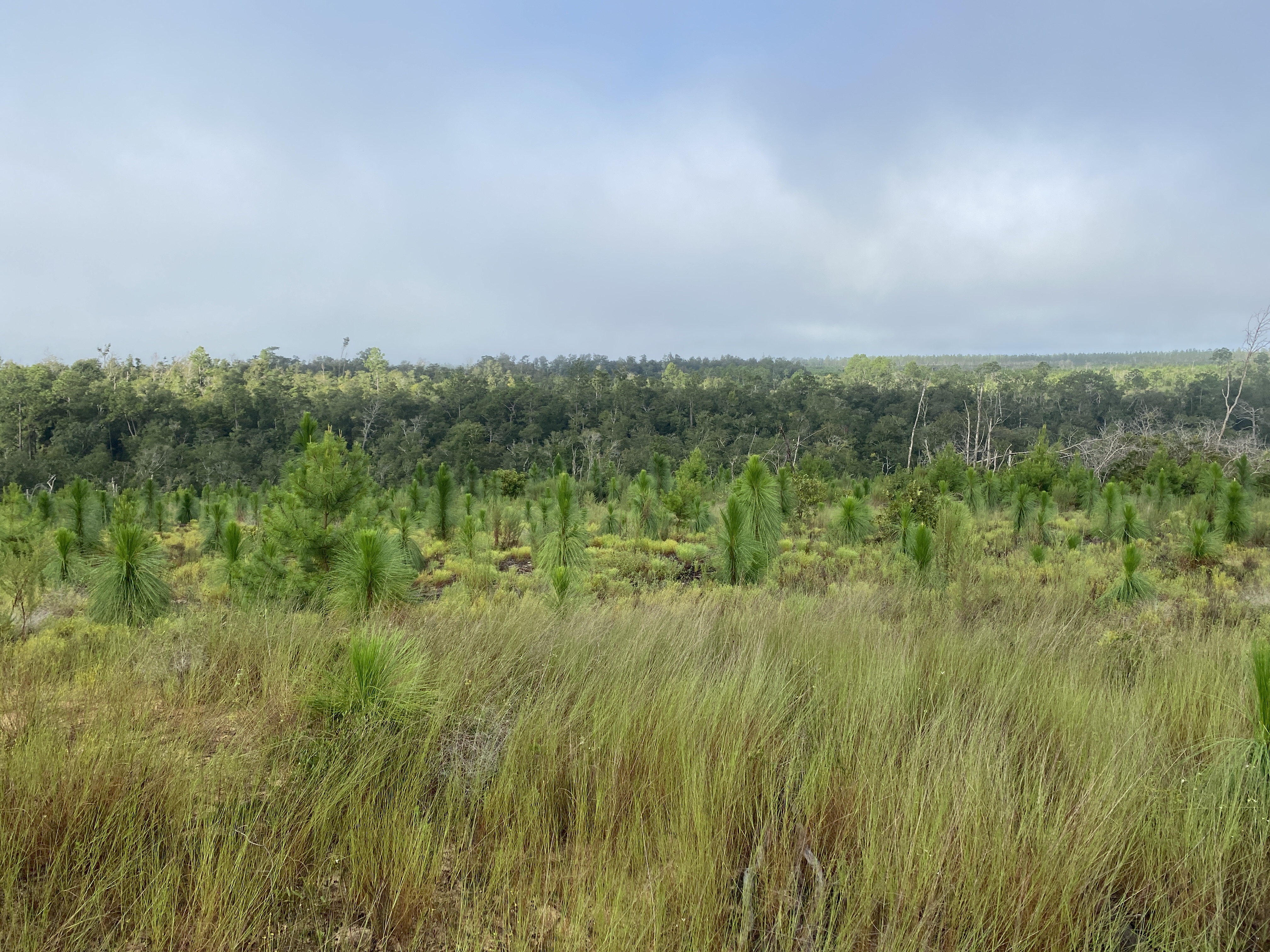
Cola River Land & Timber: Connecting Partners and Wildlife Pathways
The purchase and protection of the Cola River Land & Timber property closes the gap in a massive 22,000-acre conservation hub along the Apalachicola River. Totaling more than 750 acres, the property includes 660 acres of restored sandhill, complete with thousands of young longleaf pines. The Cola property also includes the largest remaining unprotected slope forest/steephead ravine/seepage stream complex of Sweetwater Creek, a major tributary to the Apalachicola River. This incredible property, which includes rare ecosystems and species like Eastern indigo snakes, was slated to become a subdivision. But TNC in Florida brought together funders to help purchase the property and partnered with the Florida Department of Environmental Protection (FDEP) to permanently protect the land.
The Cola parcel will be added to Torreya State Park, connecting the state park with TNC’s Apalachicola Bluffs and Ravines Preserve. TNC and Torreya State Park (FDEP) have coordinated on restoration projects for decades, including replanting longleaf pine and groundcover plants and conducting prescribed fires. This partnership will continue as we work together to restore this former pine plantation and bring wildlife back to this area. And with science-based management, we aim to support plants like Florida Torreya and Florida yew, extremely rare conifers that grow only along the Apalachicola River’s steep head slope forests.
By closing the gap between conservation areas, TNC in Florida helps create healthy habitats and safe pathways for wildlife. As we work to continue restoration efforts on the Cola parcel, including reintroducing prescribed fire, we ensure that wildlife such as gopher tortoises, Red-cockaded woodpeckers, Sherman’s Fox squirrels and other wide-ranging species have the habitat needed to thrive. Prescribed fire activities have the most impact across connected landscapes, allowing TNC and our partners to burn larger areas at a time. This connection and our continued partnerships improve how we manage sensitive habitats and, in turn, reverse species loss in one of America’s richest biodiversity hot spots.
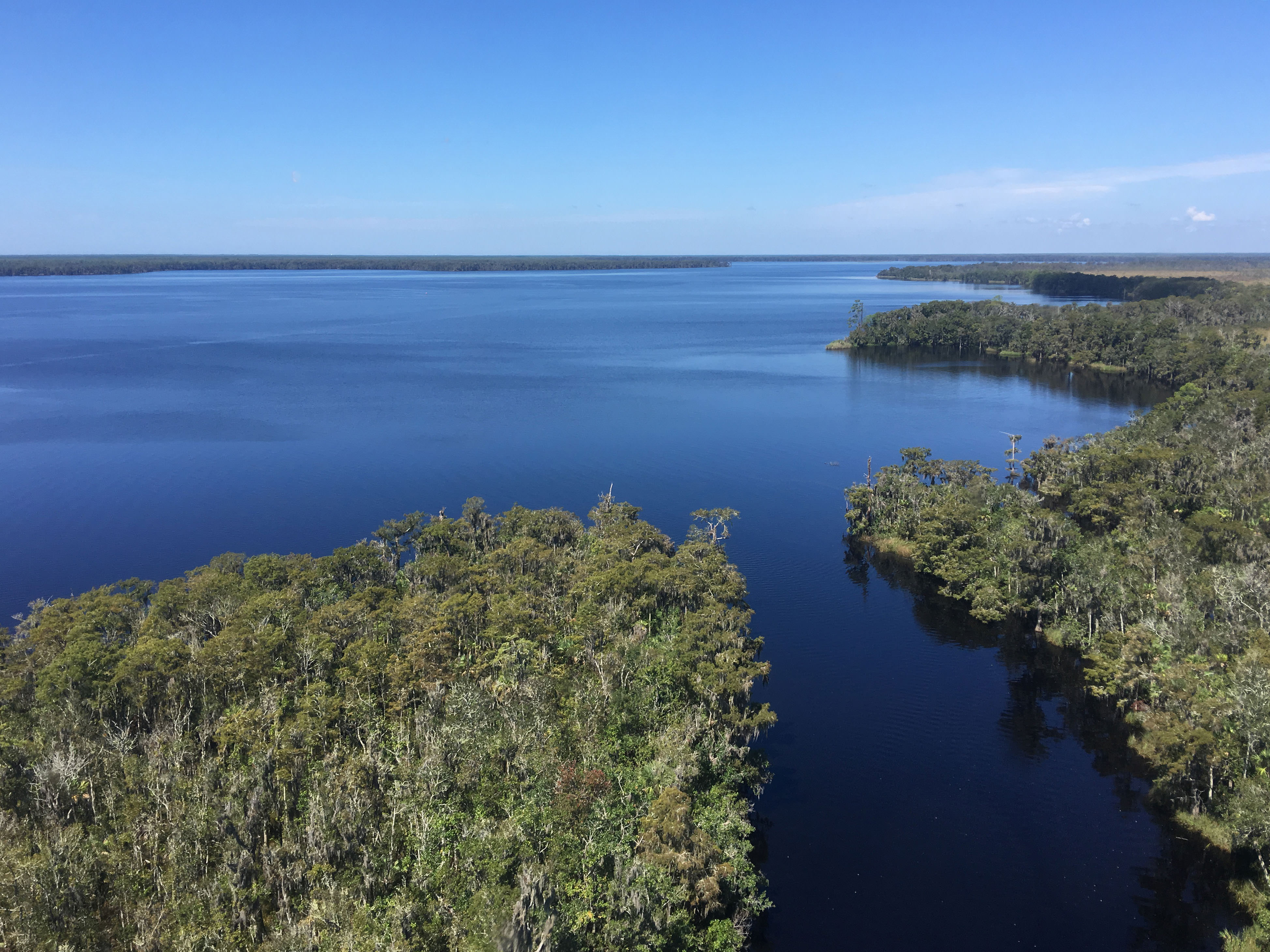
Lake Wimico: Biodiverse Northwest Florida Lands and Waters Protected
In the largest conservation win of its kind in more than a decade, TNC successfully protected Lake Wimico in collaboration with partners. This crucial and biodiverse 20,161-acre piece of land in northwest Florida surrounds the 4,000-acre lake after which the parcel is named. Upon completion of the purchase in 2020, TNC immediately donated the property to the State of Florida through the Florida Department of Environmental Protection, for ongoing conservation, management and restoration.
The safeguarding of Lake Wimico helps preserve and protect the water quality of the highly productive Apalachicola River, Apalachicola Bay and Gulf. It creates a protected refuge for resident and migratory wildlife, including many federally and state-listed imperiled species. The lake and its surrounding lands and waters are home to the Florida black bear, manatee, bald eagle, osprey, swallow-tailed kite, many species of wading and shore birds and turtles. Its water flowing into Apalachicola Bay is critical to nurseries of migrating fish and oyster populations. Additionally, the conservation of the cypress-dominated swamps, marshes and water flow help ensure a resilient landscape that provides adaptation to impacts of climate change and sea-level rise, as well as habitat for ecological communities.
This freshwater wetland habitat in Florida’s panhandle has been identified repeatedly over the past 50 years as an area of critical conservation significance for preservation and is a priority parcel with the state’s Florida Forever Program. With this acquisition, the land has now been protected in perpetuity. With the Lake Wimico property, TNC and its partners have expanded an existing tapestry of connected lands to more than 1 million acres in total, resulting in one of the most diverse and important natural protected areas along the Gulf Coast.
Central Florida
Protecting rare plants and wildlife in the Lake Wales Ridge, a rapidly developing but critically important piece of the Florida Wildlife Corridor.
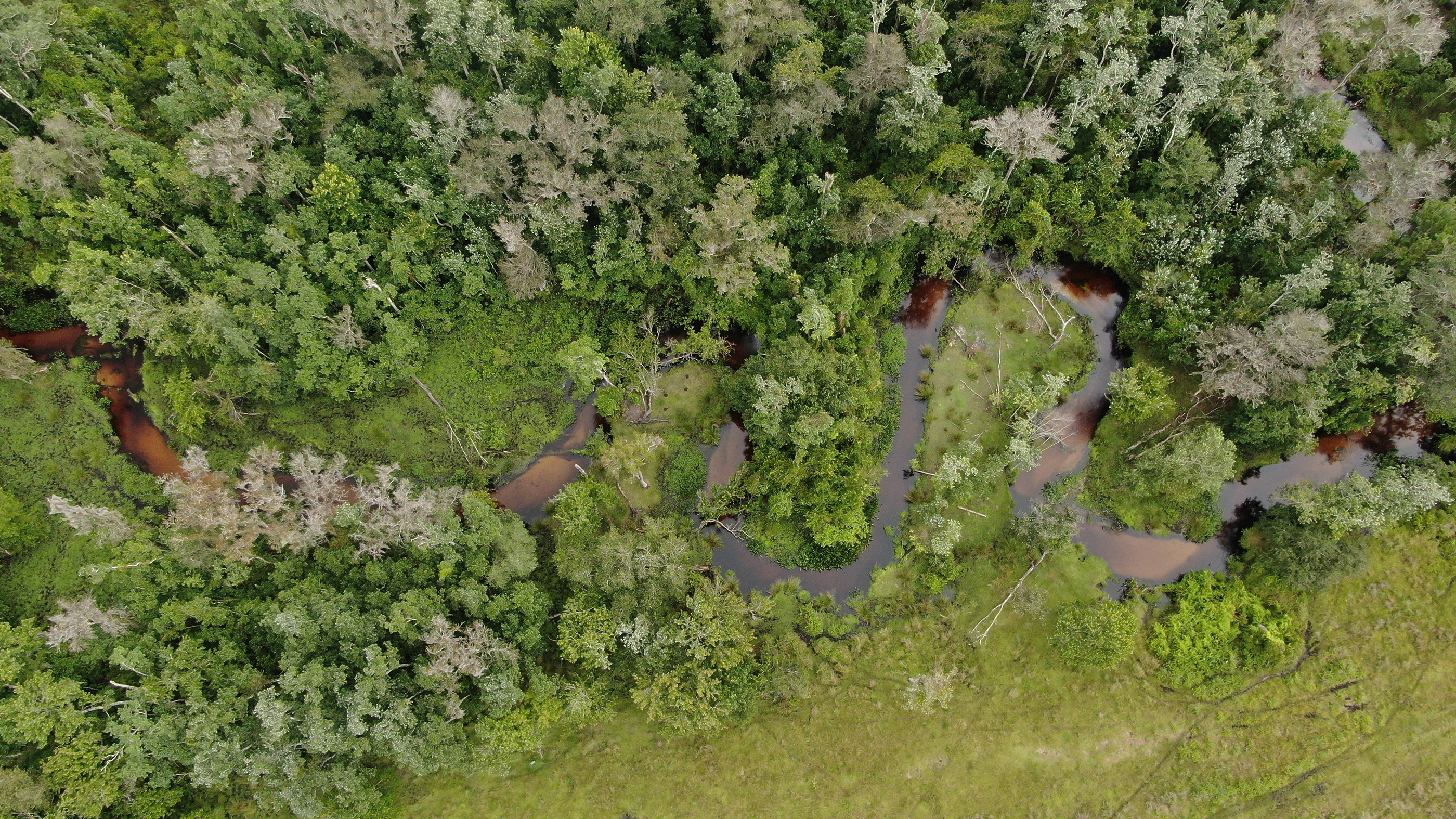
Ravensworth Farms: A Connected Corridor
The conservation easement on this biodiverse 1,069-acre working cattle ranch located along the eastern edge of the Lake Wales Ridge in Highlands County prohibits development and preserves critical habitat for biodiversity and natural systems in the Arbuckle Creek watershed.
The conservation easement completed in 2021 permanently prohibits development on the property while allowing cattle ranching operations to continue uninterrupted. TNC’s protection of the property preserves the ranch’s role as part of the connected corridor of critical lands that benefit wildlife and support water flow and storage within the Arbuckle Creek watershed, a critical component of the organization’s mission in Florida.
The property is a key piece in the network of environmentally important and protected properties in the region. Ravensworth Farms is bordered by other conserved lands and Arbuckle Creek to the east, which separates the property from the 106,000-acre Avon Park Air Force Range. Promoting cattle operations on Ravensworth Farms while at the same time preserving wetlands and important habitat protects the resiliency of the entire region. It ensures a compatible land use within the Air Force range’s military training footprint.
The property is integral to ensuring water quality flowing into the creek and southward toward Lake Istokpoga, feeding into efforts to protect and buffer the Kissimmee River and other tributaries to Lake Okeechobee, and ultimately the Everglades, advancing TNC’s water conservation efforts. The land also provides protection for a variety of important habitats, including longleaf pine, as well as iconic wildlife such as the Florida panther, Florida black bear, bald eagle, southeastern fox squirrel, gopher tortoise, crested caracara and roseate spoonbill.

Hendrie Ranch: Building Wildlife Corridors Through Land Protection
The Hendrie Ranch is a biodiverse and special place at the southern end of the Lake Wales Ridge in Highlands County, a region where TNC has focused efforts to protect and connect lands and waters essential to wildlife, including the Florida panther. A protection priority for decades, the Florida Fish and Wildlife Conservation Commission and the Florida Department of Agriculture and Consumer Services, in partnership with TNC and the U.S. Fish and Wildlife Service, protected 661 acres of the ranch in 2023 through a conservation easement, ensuring the ranch may continue cattle ranching while being protected from development.
The easement will protect surface and groundwater quality and quantity, necessary for maintaining healthy ecosystems. The property is strategically located as part of a protected landscape providing essential corridors for wildlife, including lands important for Florida black bear, Southeastern fox squirrel, gopher tortoise, Florida scrub jay, crested caracara, swallow-tailed kite, wood stork and Florida sandhill crane.
With threats such as development to Florida's diverse wildlife, lands and waters, we continue to pursue opportunities to collaborate with landowners and partners to protect critical habitats. This collaboration of landowner, federal and state agencies, and nonprofit organizations successfully results in the acquisition of conservation easements that safeguard lands and waters critical to biodiversity, climate resilience and Florida’s future.
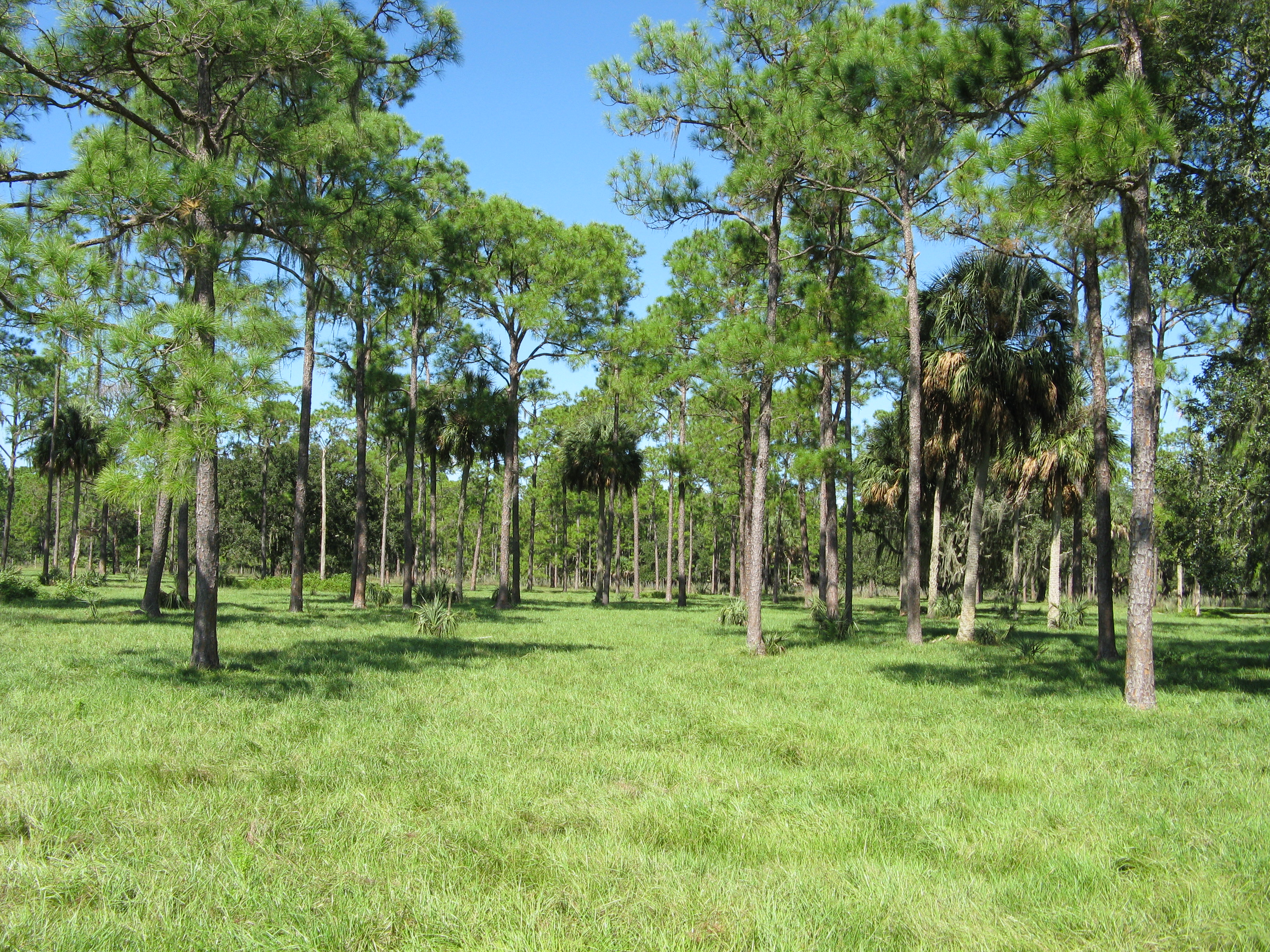
Rafter T: Ranching for Nature
This 5,100-acre working cattle ranch located along the eastern edge of the Lake Wales Ridge in Sebring was protected from development with a conservation easement. The ranch is part of the Everglades watershed, containing some of the oldest natural habitats and most biodiverse lands in the state, and is critical to water supply to the Everglades and aquifer. Home to imperiled and iconic plants and wildlife including the Florida panther, Florida black bear, bald eagle, swallow-tailed kite, Florida scrub-jay, southern fox squirrel and roseate spoonbill, Rafter T Ranch connects to large tracts of protected lands to form a contiguous natural corridor in Highlands County.
The protection of Rafter T Ranch advances the collective conservation effort designated by the Avon Park Air Force Range Sentinel Landscape in which the property is located, with government, private and non-profit partners working together to protect, manage and restore nature at a landscape scale while also benefitting military readiness.
For nearly a decade, TNC has spearheaded a joint effort to safeguard the ranch from the pressure of potential development and preserve the ranch’s role as part of the connected corridor of essential lands that benefit wildlife and support water flow and storage. The property is bordered to the east by Arbuckle Creek, which flows southward to the 28,000-acre Lake Istokpoga. With conservation easements on the ranch now in place to protect nearly the entire property, ranching operations will continue while development is prohibited in perpetuity.
Places We Protect
Visit Central Florida Preserves, including the headwaters of the Florida Everglades and a piece of the rare Lake Wales Ridge ecosystem.
South Florida
Building resilience along our coasts and protecting habitat for highly mobile animals like the Florida panther.
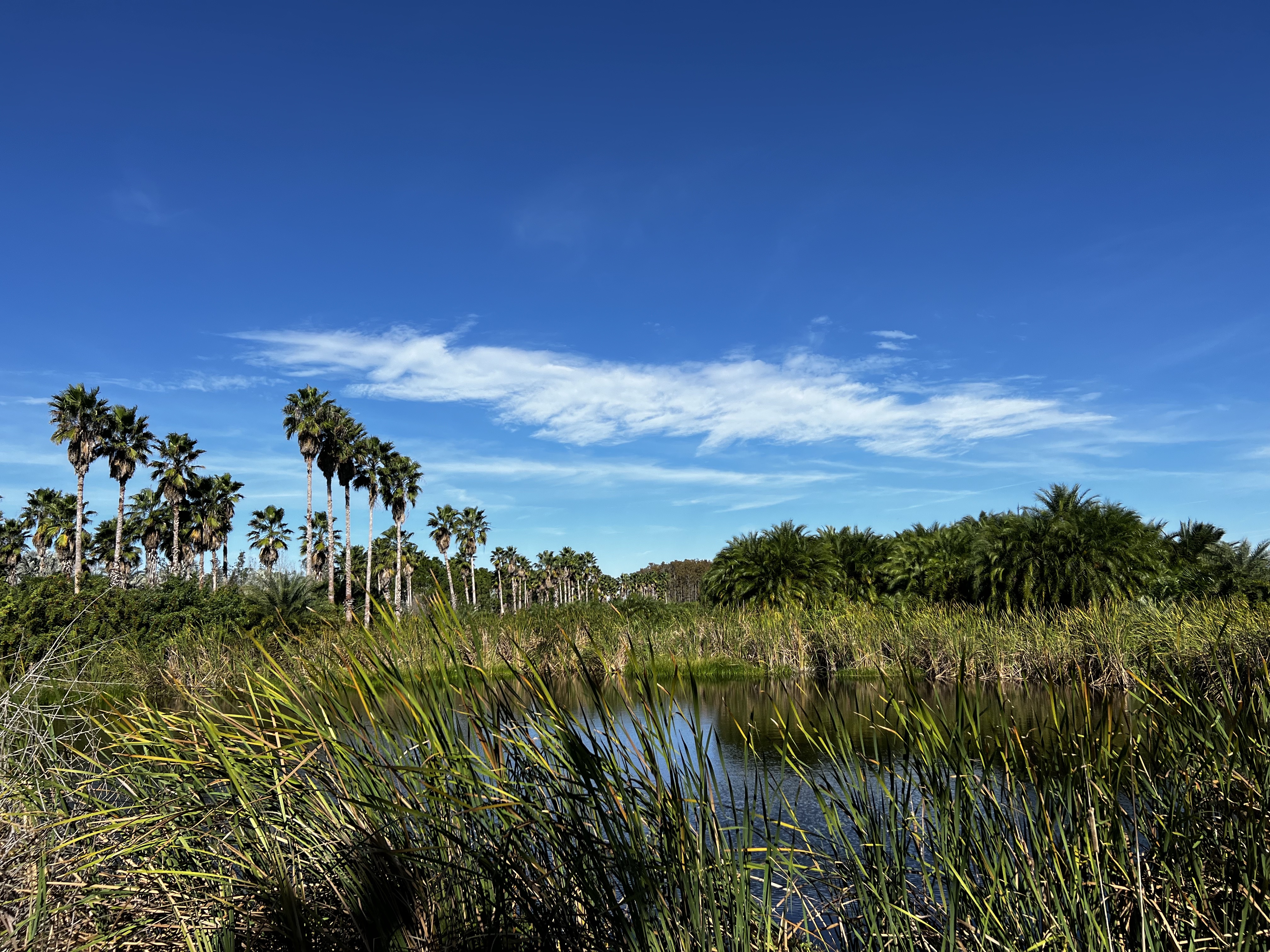
G Road Grove: Citrus Partnership Expands Ecological Connectivity
The Nature Conservancy in Florida and the USDA Natural Resources Conservation Service (NRCS) have joined forces to purchase a conservation easement at G Road Grove, an active citrus grove and tree nursery in key panther habitat. G Road Grove joins a network of protected lands that expands the area within the Florida Panther Dispersal Zone, a 30,000 acre corridor in Hendry and Glades counties. This land helps connect the panthers' current breeding population in areas south of the Caloosahatchee River to suitable habitat north of the river.
Florida panthers depend on these lands for safe movement and reliable food sources. Notably, the grove is home to prey species such as white-tailed deer and invasive feral hogs, which panthers help control. Panthers, added to Florida’s endangered species list in 1958, once roamed the southeastern United States but are now found only in parts of southwest and south-central Florida.
G Road Grove joins nearby conserved lands in this corridor, including FWC’s Spirit of the Wild Wildlife Management Area, Okaloacoochee Slough State Forest to the south and several conservation easement lands to the north, including Black Boar Ranch, Lone Ranger Forge and Chaparral Slough.
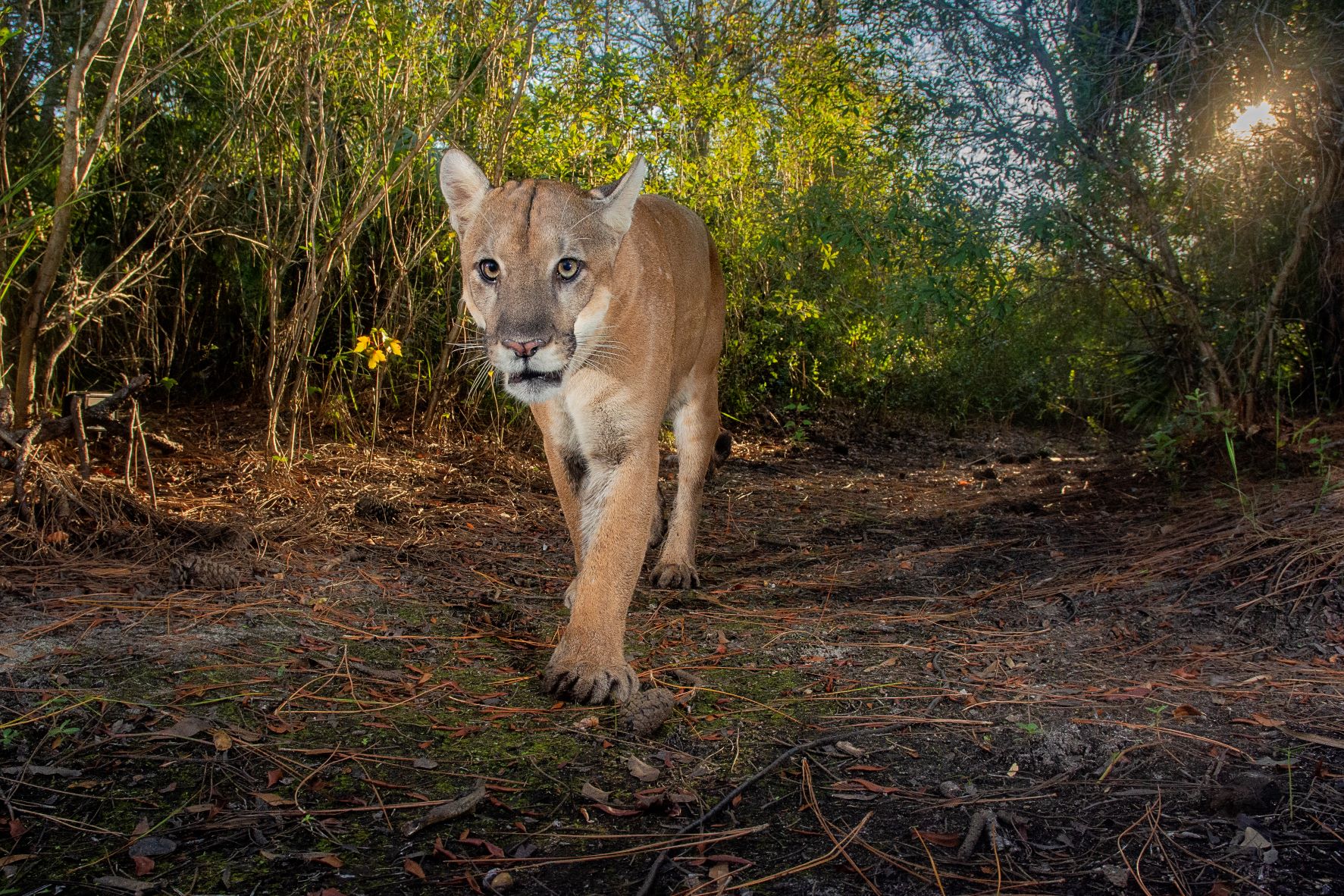
Chaparral Slough: A Win for Panther, People and Nature
This 6,859-acre wildlife corridor located in southwest Florida is a Florida Forever project protected from development by a conservation easement, connecting protected habitat to secure the wildlife corridor for Florida panther migration north toward protected lands.
The Chaparral Slough project area—11 miles long and one mile wide—runs along Chaparral Slough, a tributary to Cypress Branch, and is part of the 122,213-acre Fisheating Creek Ecosystem Florida Forever Project. This conservation easement connects protected habitat from south of the Caloosahatchee River to Fisheating Creek, securing the wildlife corridor for Florida panther migration north toward protected lands flanking Fisheating Creek.
Chaparral Slough features a vast array of natural habitats, including depression marsh, wet prairie, forested wetlands, floodplain swamp, slough, floodplain marsh, hydric hammock, prairie hammock, dry prairie and mesic pine flatwoods. The wildlife corridor is home to the endangered Florida panther in addition to other iconic species including Florida black bear, Eastern indigo snake, gopher tortoise, Florida sandhill crane, American bald eagle, Florida burrowing owl, swallow-tailed kite, snail kite and many others.
These lands also provide critical water supplies, enhanced water quality and a wide variety of essential ecosystem services to the residents of South Florida. Chaparral Slough captures, stores and slowly releases water that travels to the Caloosahatchee River and the downstream San Carlos Bay estuarine system. The completion of this conservation easement in 2022 signifies a new era of protection for Florida’s natural habitats.
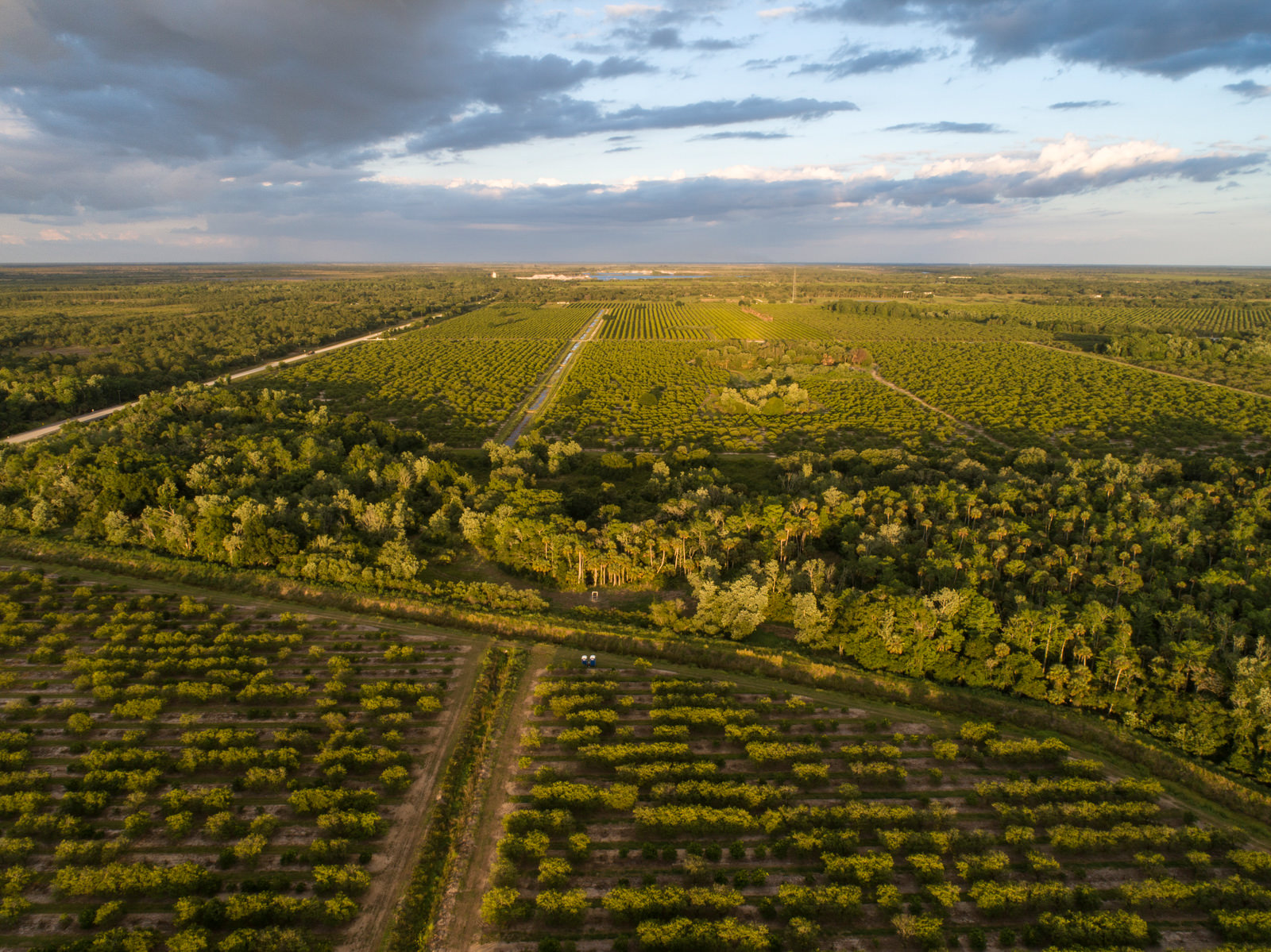
Cypress Creek Grove: First for Panther Protection
The 460-acre Cypress Creek Grove property in Glades County protects land along the northern bank of the Caloosahatchee River that is essential to the future expansion of the federally endangered Florida panther population. Protected in 2017, it was the first tract within the identified panther corridor on the northern bank of the river, the first working citrus operation in Florida to commit to panther protection and the first conservation easement located in the panther corridor funded exclusively by member donations.
The property is located within an area that facilitates panther expansion from habitat in southwest Florida into lands in central Florida and beyond. Protection of this corridor is critical to the long-term survivability and recovery of the Florida panther. Panthers require vast territories to support healthy breeding populations, and suitable lands in Hendry and Glades County link southwest Florida with lands north of the Caloosahatchee River.
For the panther, expanded habitat is only a short swim away, and now there are protected properties on both banks of the river. The citrus grove dates back to the late 1980s to early 1990s, when the land was planted with citrus and began operating commercially. Currently, about 273 acres of Valencia and Hamlin oranges are in active production. The property also features freshwater and forested wetlands and a creek that provides habitat for many species of wildlife, including wading birds, reptiles and amphibians.
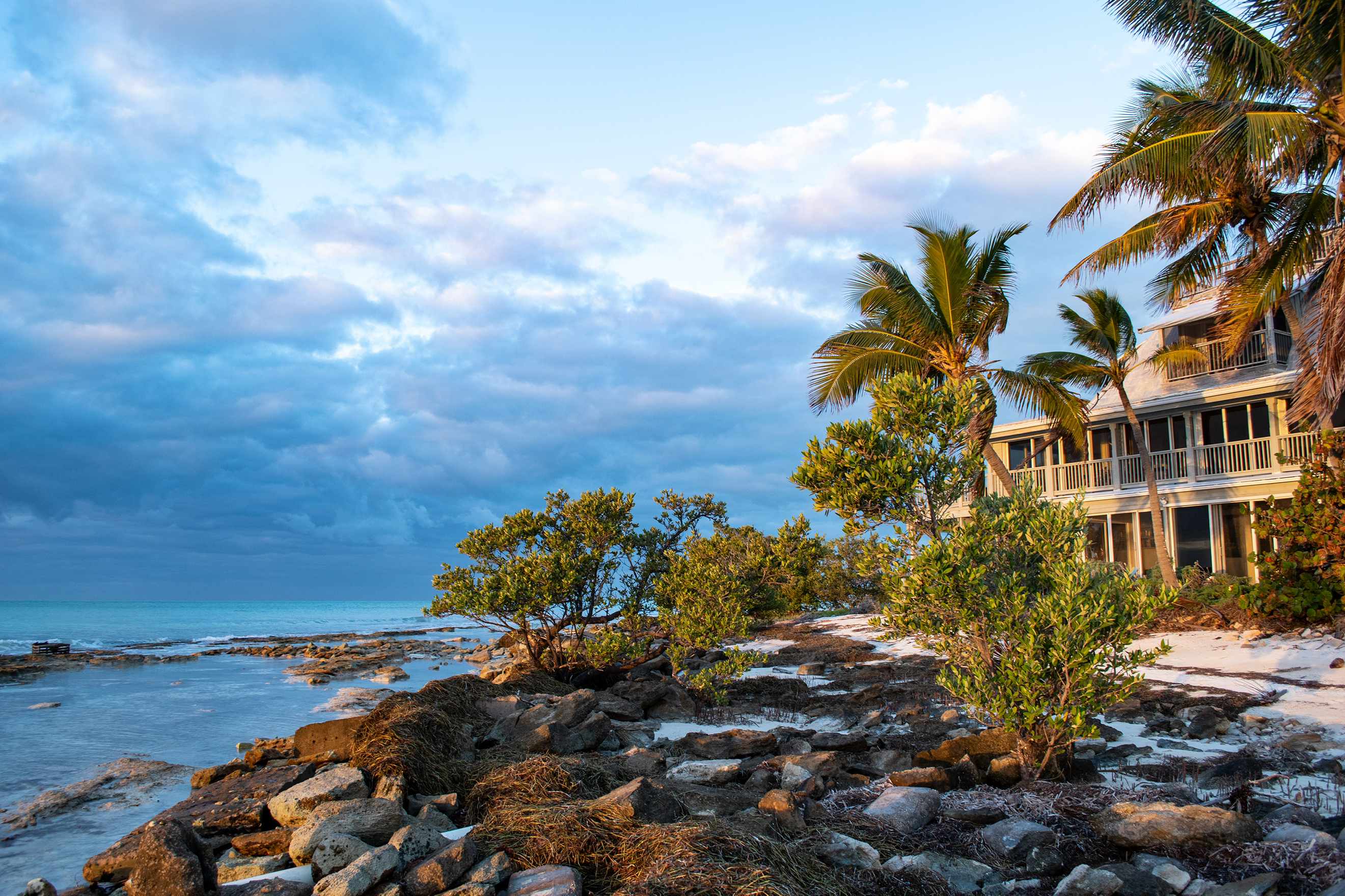
David Wolkowsky’s Ballast Key: Key to the Refuge
This 14-acre island joined the Key West National Wildlife Refuge in 2020 after owner David Wolkowsky generously donated it to TNC to be forever protected. Located in the clear blue and vibrant waters eight miles west of Key West, this safeguarded subtropical gem supports marine and coastal scientific research and education.
For more than two decades, TNC and the U.S. Fish and Wildlife Service worked closely with Mr. Wolkowsky to preserve the island’s natural and historical values. The partners are now collaborating to manage and conserve the island, which is home to many imperiled and endangered species of native plants and wildlife. The shallow waters surrounding the key teem with inhabitants of a healthy coral reef ecosystem including threatened and endangered sea turtles.
Mr. Wolkowsky began his stewardship of the island in the early 1970s, carefully developing and managing the property in an environmentally sensitive way. As a well-known and impactful public figure, developer, philanthropist and visionary, he welcomed many guests to the island including Tennessee Williams, Truman Capote, Nancy Sinatra and Leonard Bernstein, among others. Mr. Wolkowsky arranged to donate the island to protect it from a future of development and offer its wealth of natural resources and beauty to conservation purposes, prior to his passing at the age of 99 in September 2018.
The island is the final piece of the Key West National Wildlife Refuge, established in 1908 by President Theodore Roosevelt as a preserve and breeding ground for nesting wading birds and other wildlife, set in over 375 square miles of open water. For more than 110 years the refuge has been managed to preserve quality, character and integrity of these protected wilderness lands and open waters.
Protecting Lands and Waters For Our Future
In Florida, where we’re facing rapid urbanization and population growth, it’s critical that we protect and restore our natural lands and waters, while there’s still time. From North Florida to the southern tip of the peninsula, TNC and our partners are protecting the state’s mosaic of natural lands and waters, preserving the rare and unique flora and fauna that call Florida home.
Whether it’s working together with our Florida Wildlife Corridor partners to complete the 30,000-acre Florida panther dispersal zone in southwest Florida, create critical linkages between the Ocala and Osceola national forests in Central Florida or develop and promote the adoption of sustainable development practices and policies, our work is only possible with the support of our partners and donors.
Read about these projects and more in our 2025 Impact Report.


Quote: Lindsay Stevens
TNC is proud to collaborate with a wide range of partners—each committed to ensuring that Florida remains an environmentally rich and beautiful place—to grow and promote sustainable development efforts to protect and enhance the Florida Wildlife Corridor.
Help Us Make a Difference for People and Nature in Florida
For more than 60 years, we have been working to conserve the lands and waters on which all life depends in Florida. We have helped protect more than 1.2 million acres of vulnerable lands and waters in Florida, and we own and manage more than 40,000 acres including four preserves that are open to the public. Your generosity can help ensure that projects like our land protection work will continue.
More on Florida's Lands

Celebrating the Value of Florida's Public Lands
Our public lands—those lands purchased and owned by taxpayers—belong to all of us. Whether it's state parks, local greenways or national forests, visitors and residents value conservation.

Florida Conservation Exchange (ConX)
To protect Florida now and in the future, TNC invests in conservation leaders through Conservation Exchange (ConX). Across agencies, we join our skills and knowledge to advance land management.

Restoring Fire to Florida’s Native Landscapes
With some Florida habitats needing regular intervals of fire, we carefully conduct controlled burns to safeguard the long-term survival of these places.

People of the Pines
Fire professionals, scientists and educators restore longleaf pine landscapes across the South.